
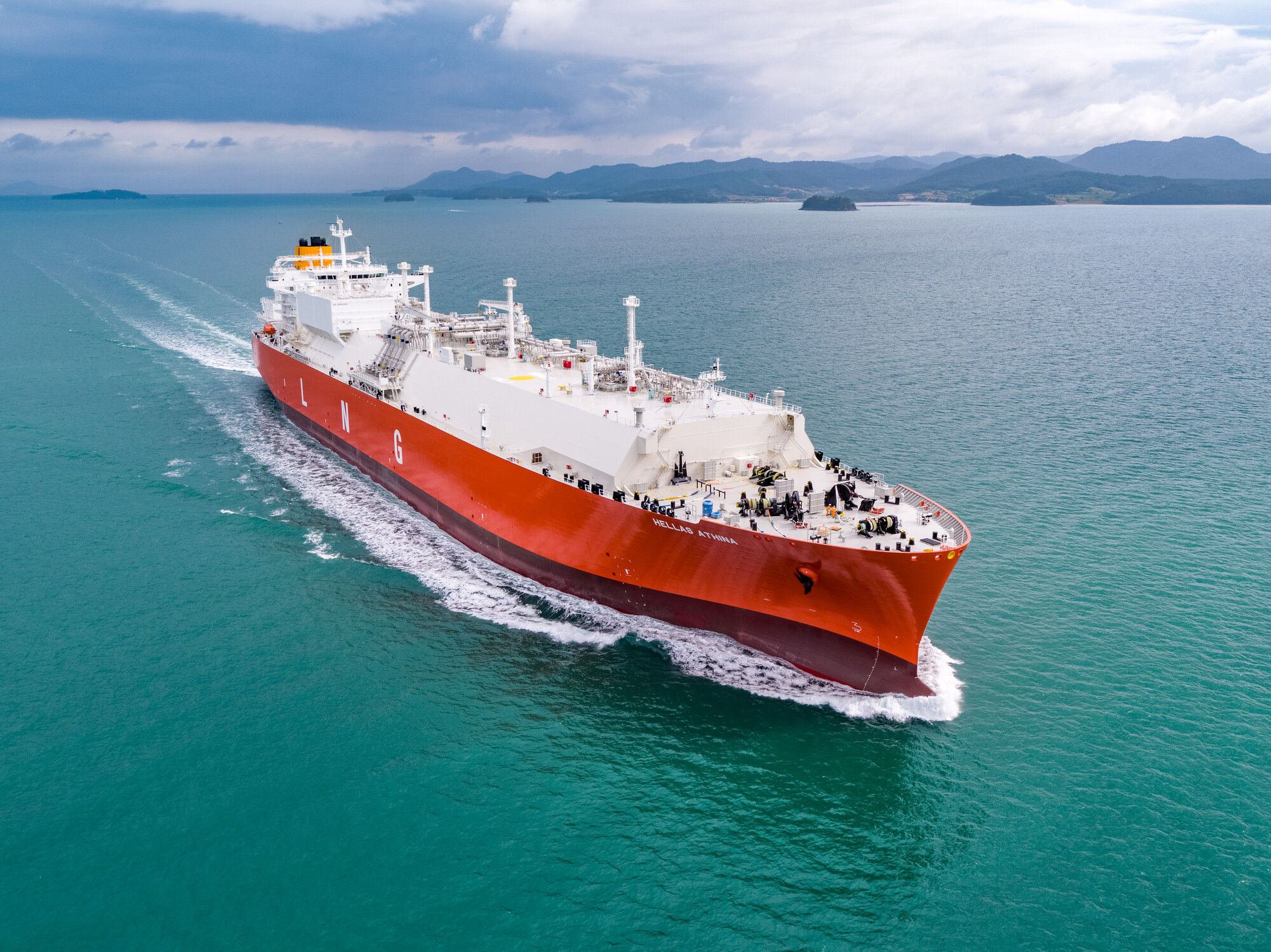
Commodity trader Trafigura secured a loan worth about $560 million from two Japanese banks to supply liquefied natural gas (LNG) to a Japanese utility.
The state-owned Japan Bank for International Cooperation (JBIC) said in a statement it has signed on March 28 a loan agreement amounting to up to $390 million with Singapore-based Trafigura Pte Ltd.
Moreover, JBIC said the loan is co-financed with Sumitomo Mitsui Banking, bringing the total co-financing amount to about $560 million, meaning that Sumitomo Mitsui Banking will provide about $170 million.
The loan is intended to provide the funds required for a Japanese utility company to import LNG from Trafigura, JBIC.
It did not provide the name of the utility.
“Amid the growing global demand for LNG and the increasing uncertainty over resource prices, the loan, which supports the Japanese utility company in procuring term LNG through Trafigura, will contribute toward securing a stable supply of LNG, which is an important energy resource for Japan,” JBIC said.
Trafigura’s LNG volumes dropped 13.8 percent in the fiscal year ending September 30 while the company’s profit rose.
LNG volumes declined to 11.2 million tonnes compared to 13 million tonnes during the same period last year, which also declined from the previous year.
Trafigura buys LNG from various sources, including under a long-term deal with US LNG exporting giant Cheniere.
It recently signed LNG deals with Canada’s largest natural gas producer Tourmaline as well.
Japan’s LNG imports
China overtook Japan as the world’s largest LNG importer last year and Japan logged a decline in LNG imports during January-February this year.
State-run JOGMEC did not publish both the contract-based and the arrival-based monthly spot LNG price in January and February as there were less than two companies that imported spot LNG.
Japan’s METI recently said that Japan’s LNG inventories for power generation as of March 24 stood at 1.52 million tonnes, down 0.9 million tonnes from the previous week and the lowest level since the end of January 2021.
Citing a Jera spokesperson, Reuters reported on Friday that the power firm and LNG trader temporarily suspended production at LNG-fired power plants in Futtsu, Yokohama, Kawasaki and Chiba, all near Tokyo, and curtailed at Higashi-Ohgishima to secure sufficient LNG inventory.
“The move comes as a recent drop in temperatures in the Tokyo area boosted power demand while stormy weather caused delays in the arrival of LNG cargoes, causing a drop in LNG stock levels,” the report said.
JERA plans to bring the plants back to normal operations from Saturday, it said.