This story requires a subscription
This includes a single user license.
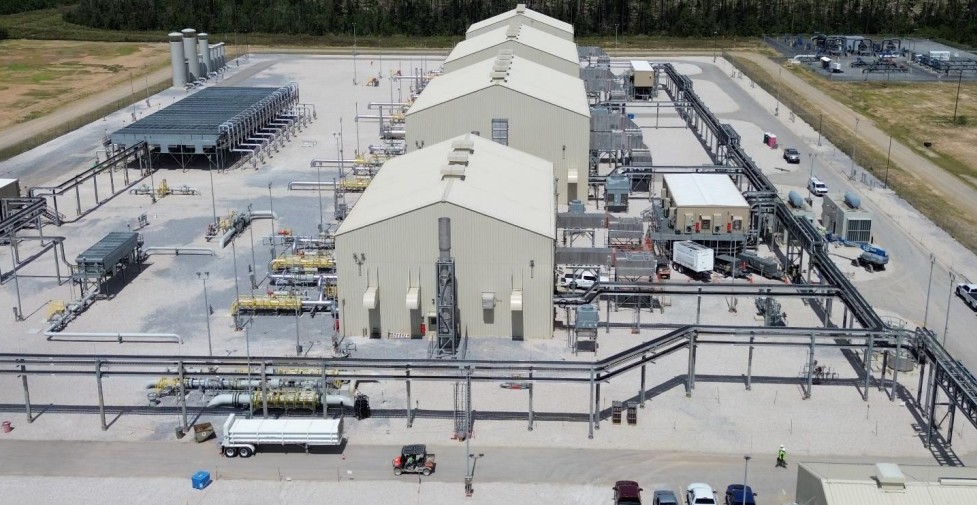
According to a FERC filing dated October 6, Golden Pass Pipeline requests authorization from the regulator to place the MP 69 compressor station located in Calcasieu Parish, Louisiana, on or around December 1, 2025.
GPPL said the requested in-service date is intended to correspond with the date that GPPL’s new restructured and revised FERC gas tariff and approved settlement rates go into effect as proposed in its compliance filing submitted to the Commission on October 1.
The company confirmed that the MP 69 compressor station facilities are mechanically complete.
GPPL requested that the authorization to place the facilities in-service be issued by November 3, 2025.
The pipeline project includes modifications to the existing Golden Pass pipeline system to provide transportation of up to 2.5 billion cubic feet per day (Bcf/d) of domestically sourced natural gas for delivery to the Golden Pass LNG export facilities.
Last month, the regulator granted approval to GPPL to place into service its MP 33 compressor station.
The MP33 compressor station project includes a new compressor station and three new GPPL interconnects to enable receipt and delivery of natural gas to and from the Golden Pass terminal.
Also, the MP 69 compressor station project in Starks, Louisiana, will connect the Golden Pass pipeline to the Gulf Run pipeline, and connect the LNG terminal to more sources of natural gas supply.

Commissioning
Golden Pass continues to progress with commissioning activities as it looks to start producing LNG at the first train by the end of this year.
According to the most recent construction report filed with FERC, Golden Pass progressed reinstatement of piping post pressure testing in Train 1, and it progressed installation of piping and structural steel in Train 2 and Train 3.
The report shows that the N2 purge for LNG tanks 2 and 3 have been completed, while N2 purge preparation activities are ongoing for LNG tanks 1 and 5.
State-owned QatarEnergy owns a 70 percent stake in the Golden Pass LNG project with a capacity of more than 18 mtpa and will offtake 70 percent of the capacity, while US energy firm ExxonMobil has a 30 percent share.
Golden Pass recently secured approval from the US DOE to export previously imported LNG from October.
The JV requested that DOE’s Office of Fossil Energy and Carbon Management issue an order granting GPLNG to engage in short-term exports of up to 50 Bcf of LNG, on a cumulative basis, that will have been previously imported into the US from foreign sources.
The LNG supplies will either be re-exported or regasified to be used as fuel gas at the facility.
GPLNG plans to use the imported LNG as part of the start-up of its export facility.
Second and third train
Japan’s Chiyoda and US-based McDermott signed a binding term sheet with GPLNG in June to complete the construction of the second and third liquefaction units at the giant LNG export plant in Texas.
Chiyoda said that the JV partners and GPLNG will “continue engagements to finalize amendment to the contract and will disclose promptly when we conclude such agreement.”
A joint venture of Chiyoda, McDermott’s CB&I, and Zachry won the EPC contract to build the three Golden Pass trains worth about $10 billion next to the existing LNG import terminal in the vicinity of Sabine Pass, Texas.
However, Zachry Holdings said in May last year that it had filed for bankruptcy, initiating a structured exit from the Golden Pass LNG export project due to “financial challenges” related to the facility’s construction.
In November 2024, Chiyoda and US-based CB&I reached a deal with Golden Pass LNG to complete the construction of the first liquefaction at the LNG export plant.
After that, Houston-based McDermott completed the sale of its CB&I storage business to a consortium of financial investors led by New York-based Mason Capital Management.