This story requires a subscription
This includes a single user license.
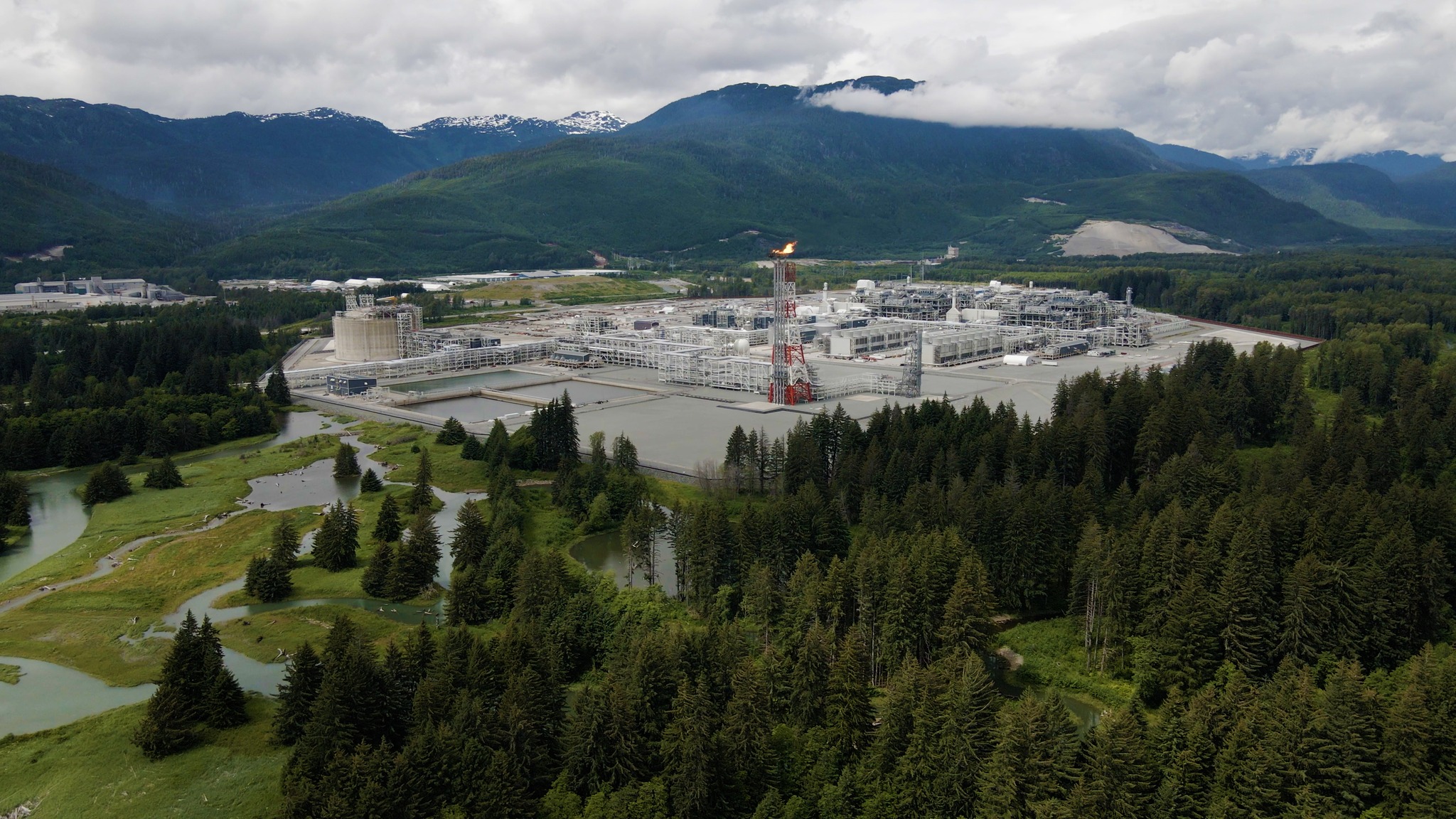
Shell’s finance chief Sinead Gorman said during the company’s third-quarter earnings call on Thursday that LNG Canada delivered 13 cargoes from the first train during the quarter.
“And there’s more to come with the expected startup of Train 2 later this quarter,” Gorman said.
Shell CEO Wael Sawan also said during the call that the start-up of the second train is actually “days away at the moment, and we look forward to the first LNG cargo from that.”
Earlier this month, an LNG Canada spokesperson told LNG Prime that “Train 2 start-up activities are underway.”
The spokesperson said at the time that the JV is preparing to ship the 15th cargo.
Sawan said in July that LNG Canada’s production ramp-up is “very much” in line with what Shell had expected.
Sawan answered a question during the second-quarter earnings call following a media report that LNG Canada is experiencing technical problems.
LNG Canada is a joint venture between Shell, Petronas, PetroChina, Mitsubishi Corporation, and Kogas.
MidOcean Energy, the LNG unit of US-based energy investor EIG, recently also entered into definitive agreements to buy a 20 percent interest in Petronas’ entities in Canada, including a stake in LNG Canada.

Expansion
LNG Canada is Canada’s first large LNG export facility.
With a planned Phase 2, which includes two new trains, the capacity will rise to 28 mtpa.
Last month, Canadian Prime Minister Mark Carney named the planned second phase of the export project as one of the major projects the federal government would help fast-track.
Sawan also discussed the expansion plans during the earnings call on Thursday.
“I think the biggest things we’re keeping an eye on at the moment is the joint venture is working with the various contractors to be able to at least frame a quality decision for us at some point next year and see what that looks like,” he said.
“What are some other important factors that we will have to sort of consider when we get to that decision point? Clearly, the support of both the federal and the provincial governments in Canada will be important,” Sawan said
“We do see very strong support at the moment, both at the provincial and the federal side. That’s good news. We’re very appreciative of that support and that is enabling for a future investment,” he said.
“We’re also looking carefully at the broader dynamics. Our view is that we are strong believers in the future of LNG demand through to 2040 and beyond. We’re also conscious of the significant investment that is taking place,” Sawan said.
He noted that the number of FIDs this year in particular in the US is “unprecedented.”
“You’re talking of the 70 million tonnes per annum of capacity that’s been FIDed, 60 is sitting in the US. Now, if we then think about future investment opportunities in liquefaction, it is about making sure that we are delivering to the demand destination from the right supply sources,” Sawan said.
“Where Canada features, is of course they have a transportation advantage vis-a-vis the US. It takes 10 days to ship from Canada to Asia versus 25 from the Gulf,” he noted.
“There’s an advantage there and that’s why we’re trying to understand what that overall balance of new supply is coming in, at least in the medium term, and how that features in our broader calculus because not all supply is equal and we want to make sure that we get access to the best supply for our customers and also cost advantage supply to make sure that they can create value for themselves as well from that,” Sawan said.
“Lots to consider over the next several months there,” the CEO added.