This story requires a subscription
This includes a single user license.
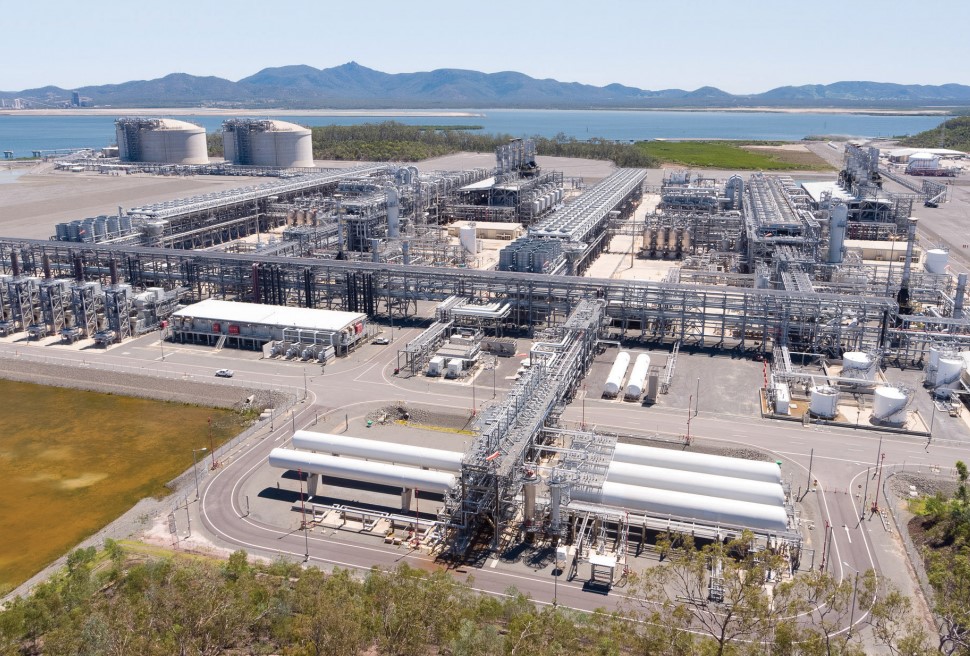
Curtis Island hosts the Santos-operated GLNG plant, the ConocoPhillips-led APLNG terminal, and Shell’s QCLNG facility.
These are the only LNG export facilities on Australia’s east coast, which is facing a domestic gas shortage.
According to a joint statement by two ministries, the government of Prime Minister Anthony Albanese aims to secure more “affordable gas for Australians, better protect businesses from international prices spikes, and ensure industry is on a stronger footing when it comes to negotiating gas contracts through the introduction of a domestic gas reservation scheme.”
The statement said that detailed design will be developed in consultation with industry, international partners, and communities, with a preference for a system where exporters need to meet domestic supply obligations before exports are approved.
The scheme will require exporters to reserve between 15 and 25 percent of gas production for the domestic market, with the required proportion to be settled after the forthcoming consultation.
According to the statement, existing contracts should be respected – both domestic and international contracts.
Any contracts in place before today’s announcement will be considered existing contracts.
The statement said that producers should have flexibility to meet domestic and export obligations through a variety of standard commercial/market-based arrangements, including contracting with exporters or domestic producers, so long as supply obligations are met.
“The reservation scheme should provide long-term certainty for commercial production and investment, including by clearly setting domestic supply requirements well in advance of establishment and minimise impact on Australia’s LNG trade partners and their energy security,” the statement said.
Supply shortfalls
The statement noted that Australia has benefited from the development of the LNG export industry through export revenue, royalties and taxation, job creation, and economic development.
“But after a decade of policy failures, the former coalition government left Australia with supply shortfalls, surging gas prices, and no protections for domestic users,” it said.
“In the midst of a global energy crisis, the Albanese government acted to shield Australians from surging international gas prices and secured 644 petajoules of extra gas supply – all measures that the coalition opposed,” the statement said.
Other key recommendations in the review report include considering phasing out the gas market code’s $12/GJ reasonable price provisions and improving code rules for buying and selling gas to create flexible, principle-based requirements for selling practices, including reserved gas, the statement said.
Consultation will start immediately in 2026, with the aim of commencing a gas reservation scheme in 2027, the statement added.