This story requires a subscription
This includes a single user license.
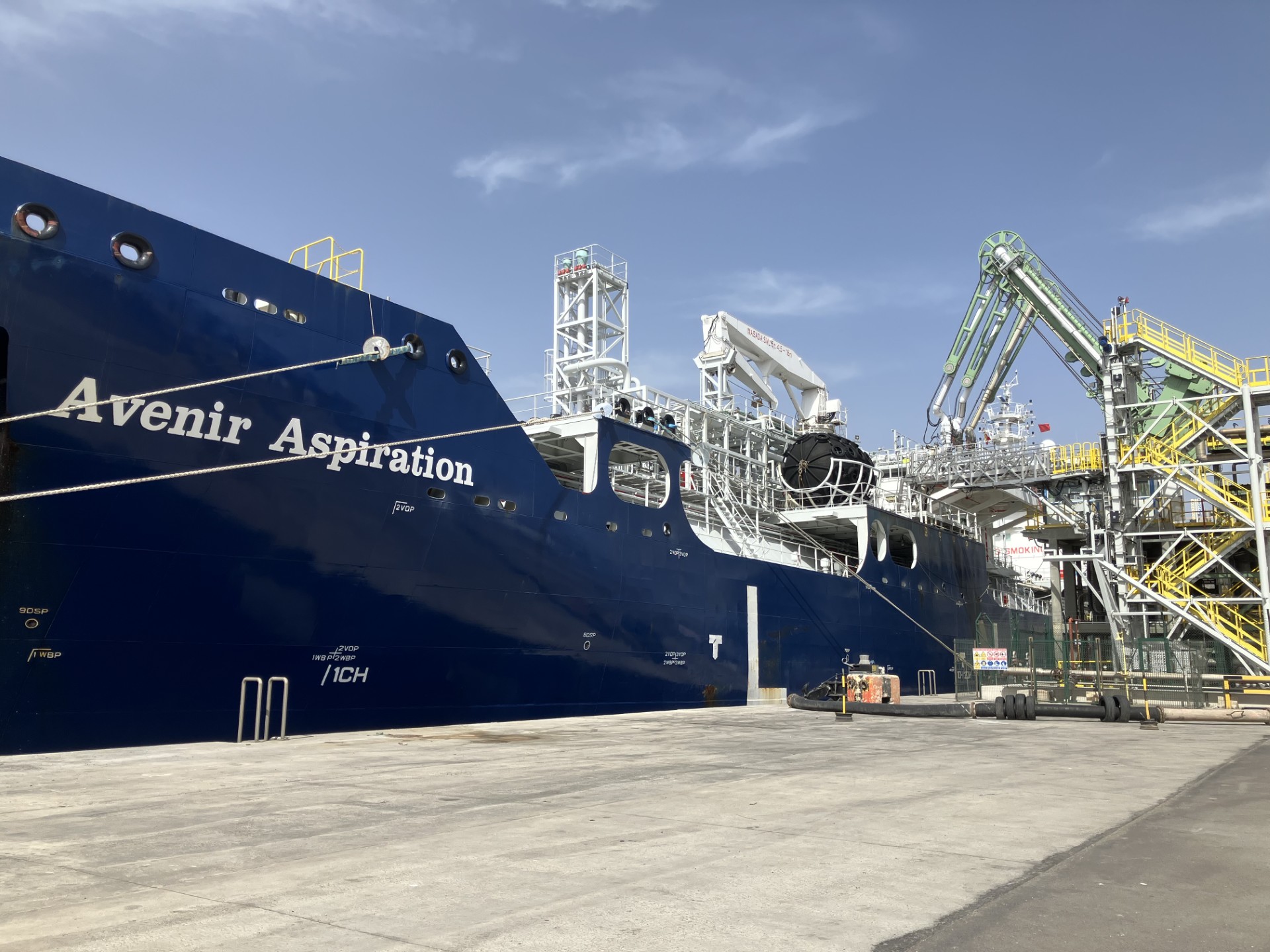
The use of liquefied natural gas for bunkering operations in Spanish ports jumped last year as fueling infrastructure expanded and more LNG-powered vessels joined the global fleet, according to Gasnam’s data.

Gasnam said in a statement last week that the supply of LNG fuel to ships in Spanish ports exceeded 8.1 TWh, more than four times the volume recorded just two years ago.
LNG bunkering volumes reached 1.9 TWh in 2023 and 3.8 TWh in 2024.
In terms of energy consumption, the LNG and bio-LNG supplies loaded last year is equivalent to filling the tanks of approximately 16 million cars, Gasnam said.
This growth is due, on the one hand, to the increase in the number of LNG-powered ships joining the international fleet and, on the other, to the progressive development of bunkering infrastructure, which has enabled Spanish ports to establish themselves as leading hubs for the supply of alternative fuels, it said.
Bio-LNG growth
Gasnam noted that 12 percent of the LNG supplied in 2025 was already from renewable sources (bio-LNG), which represents a significant step forward in reducing emissions and achieving climate neutrality in maritime transport.
The growth in supply has been accompanied by a structural change in the bunkering model.
In the last year, ship-to-ship (STS) operations have increased from representing 44 percent to 80 percent of the total, consolidating themselves as the majority option over other formats, due to their greater flexibility and operational efficiency, Gasnam said.
According to Gasnam, Portugal also reached a significant milestone in 2025 with the effective start of LNG supply to ships.
In total, 342 GWh were supplied across 13 operations, mainly in STS operations at the port of Sines, reinforcing the Iberian Peninsula’s role as a strategic LNG bunkering hub, it said.
LNG-powered fleet
The evolution of the international maritime market reinforces this trend.
According to data provided by DNV, in 2025, ships using alternative fuels have maintained a stable share of 38 percent of the gross tonnage of new orders, despite the overall decline in the number of orders.
LNG-fueled vessels led the alternative-fueled market across all ship types in 2025, accounting for 188 orders and representing 31 percent of total GT, DNV said.
At the same time, deliveries of alternative fuel ships have accelerated.
In 2025, 193 LNG-powered ships and 59 methanol-powered ships were added, allowing the LNG fleet to grow by 30 percent and the methanol fleet to double.
DN also said that investment in fuel infrastructure continued at pace with 22 LNG bunkering vessels added to the orderbook alongside new bunkering vessels capable of supplying methanol and biofuel.
DNV’s Alternative Fuels Insight (AFI) platform shows that there are now 846 LNG-powered ships in operation and 642 LNG-fueled vessels on order.

