This story requires a subscription
This includes a single user license.
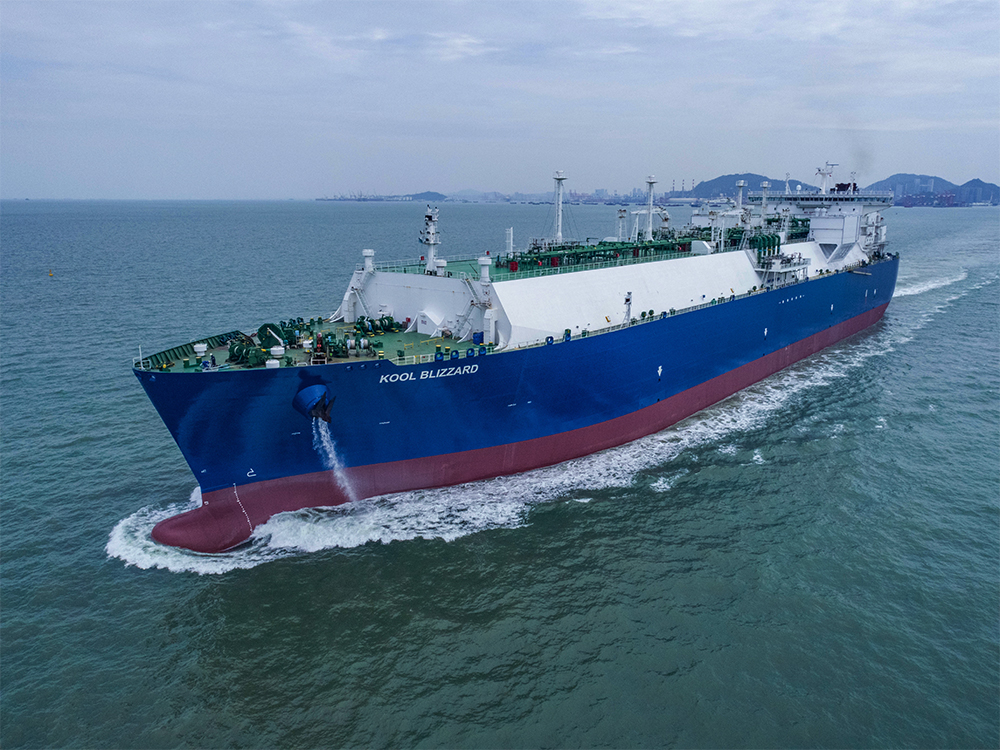
Santos said last week that the 160,000-cbm Kool Blizard was loading the first Barossa LNG cargo at the 3.7 mtpa Darwin LNG plant at Wickham Point.
The LNG carrier, owned by Eastern Pacific Shipping’s CoolCo, left the LNG plant on Monday and was located in the Timor Sea, its AIS data provided by VesselsValue shows.
Kool Blizard is expected to arrive at the Sakai terminal in Japan in February.
Santos sold this LNG cargo on a delivered ex-ship (DES) basis.
The Australian company also confirmed the departure of Kool Blizard in a statement on Tuesday.
According to Santos, it delivered the project within approximately six months of the planned start date and within the original budget – without drawing on the additional contingency.
Santos is the operator and has a 50 percent interest in the Barossa gas project, with joint venture partners PRISM Energy International Australia (37.5 percent) and JERA Australia (12.5 percent).
FPSO
The ramp-up of the Barossa project has been delayed due to software issues affecting the safety systems onboard the BW Opal FPSO, and two connection failures on the utilities and firewater mains GRE pipework systems.
Santos said last week that the BW Opal FPSO continued start-up and commissioning activities while ramping up gas export volumes, which are now at 450 mmscf per day, or around 75 percent of plant capacity.
The FPSO is the production centrepiece of Santos’ Barossa LNG project and will be permanently located in the Barossa gas field approximately 285 kilometres offshore from Darwin in the Northern Territory of Australia.
It will feed the Darwin LNG plant for the next two decades.
The Darwin LNG plant launched operations in 2006. It achieved RFSU in August 2025, following the successful completion of the life extension project for Barossa LNG.
In 2023, the last LNG cargo produced from the Bayu-Undan gas field sailed from the LNG plant in Australia’s Northern Territory.
The final LNG shipment from Bayu-Undan left the Darwin LNG plant on November 11, 2023.
(This article was updated with a Santos statement.)