This story requires a subscription
This includes a single user license.
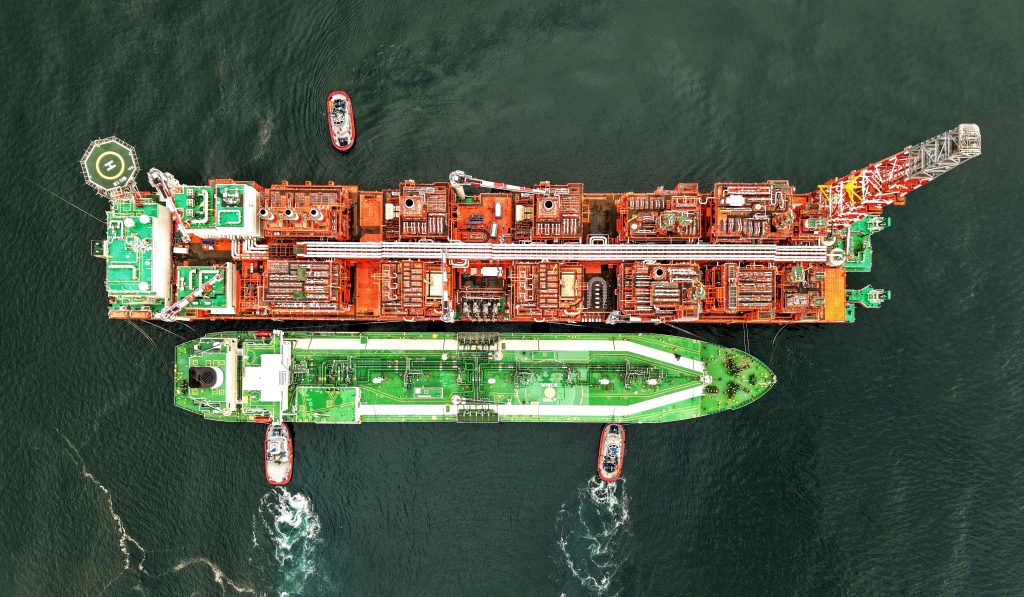
WNE, which is the EPCIC contractor and built the Nguya FLNG, noted in a social media post on Wednesday that the unit recently achieved the first LNG cargo offshore Pointe-Noire, Republic of the Congo — marking the successful completion of key commissioning and start-up activities and signaling the project’s entry into the operation phase.
The Chinese firm also said it has extended its collaboration with Eni through a newly signed O&M contract, supporting Nguya FLNG beyond start-up into operations and global maintenance.
WNE did not provide further details regarding the contract.
Earlier this month, the Nguya FLNG unit shipped the first cargo, marking the start of exports of the second phase of the Congo LNG project.
With Phase 2, the Congo LNG project reaches a total liquefaction capacity of 3 million tonnes per annum (mtpa) of LNG, equivalent to 4.5 billion cubic metres of gas per year, leveraging gas resources from the Nene and Litchendjili fields in the offshore Marine XII license.
LNG Prime reported last week, citing shipping data that Eni is expected to deliver the first liquefied natural gas cargo produced at its Nguya FLNG to the Enagas-operated Cartagena LNG import terminal in Spain.
The 159,800-cbm Maran Gas Delphi delivered the LNG cargo to the Cartagena LNG import terminal and was located offshore Gibraltar on Wednesday, its AIS data provided by VesselsValue shows.
Besides building the 380-meter-long 2.4 mtpa Nguya FLNG, WNE also built Tango FLNG, the first unit with a capacity of 0.6 mtpa, which began production in December 2023.
Congo LNG Phase 2 features three production platforms as well as the Scarabeo 5 unit dedicated to gas treatment and compression, and the Nguya FLNG for liquefaction and export.
According to Eni, Phase 2 start-up came only 35 months after construction of the Nguya FLNG unit began, “setting a new international industry benchmark in terms of execution speed and efficiency.”