This story requires a subscription
This includes a single user license.
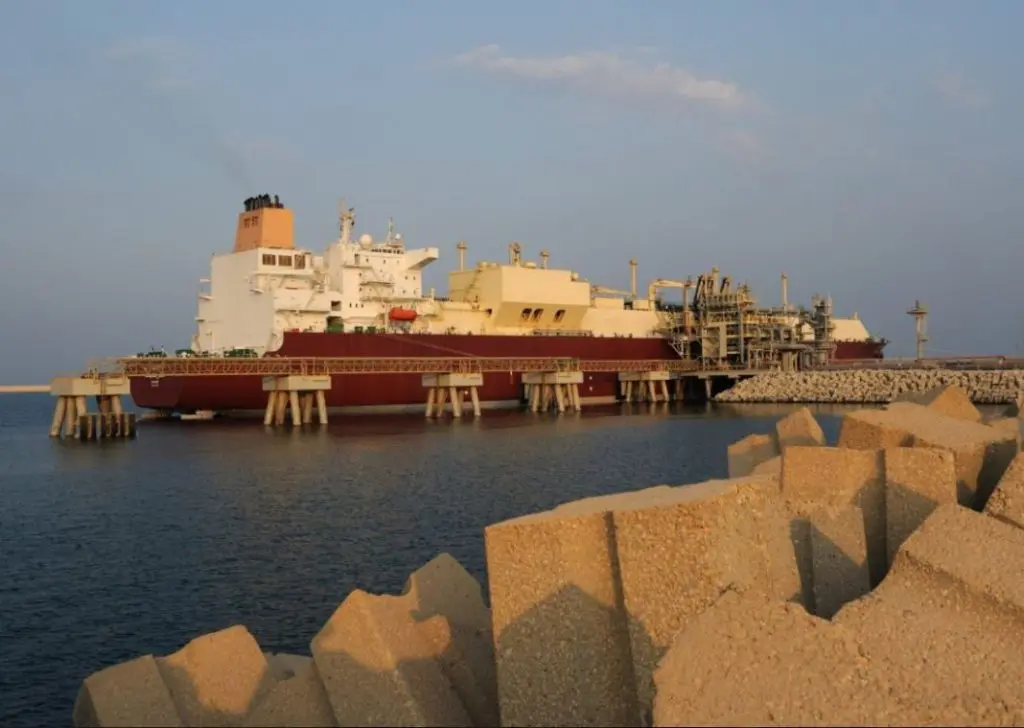
QatarEnergy announced a statement that it has ceased production of LNG and associated products, without providing further details.
“QatarEnergy values its relationships with all of its stakeholders and will continue to communicate the latest available information,” it said.
Qatar’s Ministry of Defence said in a separate statement that “Qatar was attacked by two drones launched from the Republic of Iran.”
“One drone targeted a water tank belonging to a power plant in Mesaieed, and the other targeted an energy facility in Ras Laffan Industrial City, belonging to QatarEnergy, without reporting any human casualties,” it said.
“All damages and losses resulting from the attack will be assessed by the relevant authorities, and an official statement will be issued later,” the ministry said.
Qatar is one of the world’s largest LNG producers.
QatarEnergy is currently working on the giant North Field LNG expansion program, which includes the North Field South, North Field East, and North Field West projects.
Together, these will raise Qatar’s LNG production capacity in Ras Laffan from the current 77 mtpa to 142 mtpa in 2030.
Iran attacks
Oil prices and European gas prices rose on Monday following coordinated US and Israeli strikes on Iran during the weekend, while shipowners have reportedly suspended LNG carrier operations via the Strait of Hormuz.
Iran has retaliated with missile/drone strikes targeting Israel and US military bases across the GCC region.
Wood Mackenzie said in a report that a halt to LNG flows through the Strait of Hormuz would be just as disruptive to global gas and LNG markets as to oil markets.
“Around 81 Mt (110 bcm) of LNG transited the Strait in 2025 – primarily from Qatar – accounting for nearly 20 percent of global LNG supply. While most of these volumes are destined for Asian markets, the repercussions would be felt worldwide,” it said.
According to Wood Mackenzie, disruptions to LNG flows “could dramatically tighten the global market and reignite competition between Asia and Europe for available cargoes.”