This story requires a subscription
This includes a single user license.
The ERC said in a statement on Thursday that it reviewed the situation and potential impacts from unrest in the Middle East during its meeting on March 4, and agreed to increase spot LNG procurement to ensure sufficient fuel for electricity generation.
After discussions with LNG shippers, the ERC found that some gas sources are located in higher-risk areas and that shipping routes have been affected by regional tensions.
To reassure the public and the business sector that Thailand will have enough LNG for power generation, and to support government policy to seek additional or alternative LNG sources to replace supplies from risk areas, the ERC assigned shippers to secure additional LNG to meet national demand.
The ERC said it will continue to closely monitor global energy developments and LNG procurement, while coordinating with relevant agencies to ensure the national energy system can meet demand, particularly during periods of high electricity consumption.
It will also maintain oversight of LNG procurement processes and energy pricing to ensure compliance with relevant rules and regulations.
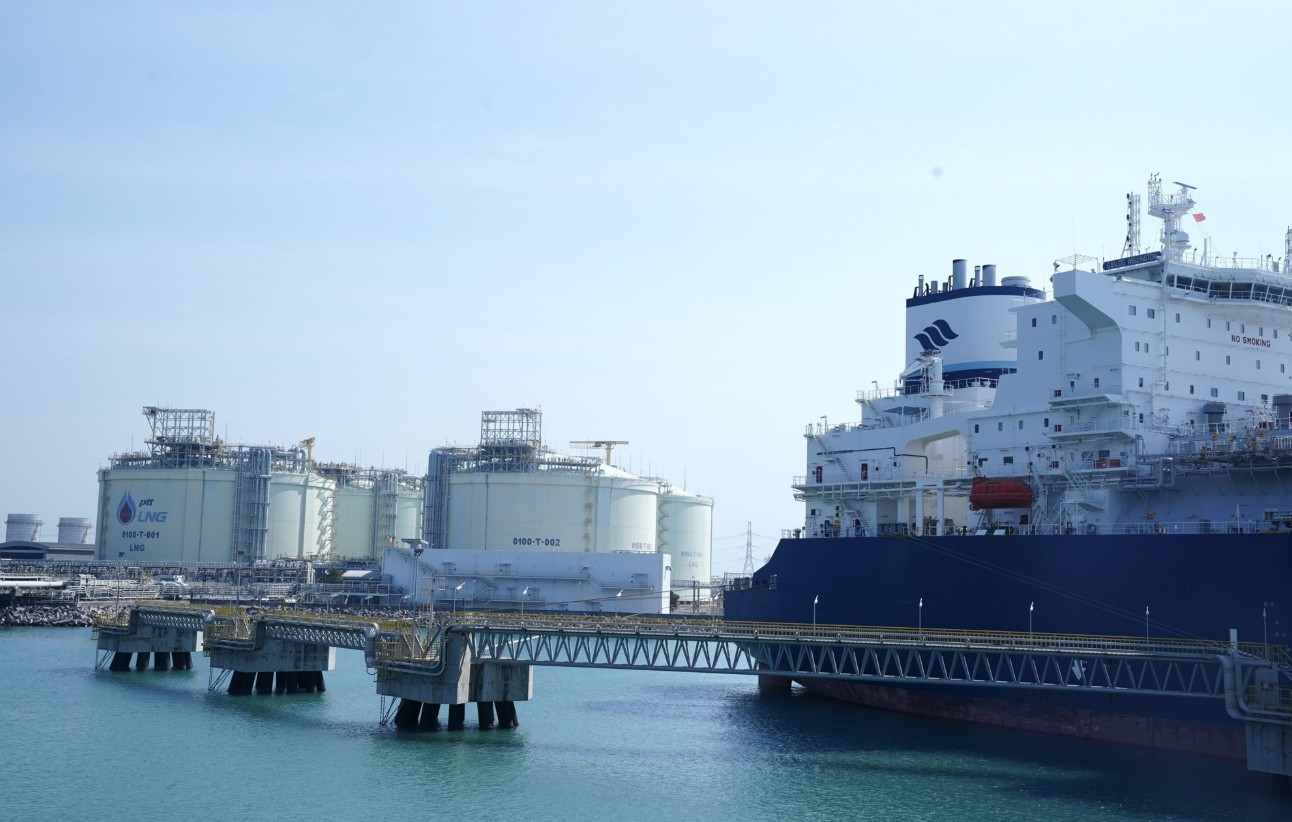
Thailand currently imports LNG via two import terminals operated by PTT.
These terminals include the first Map Ta Put LNG terminal (LMPT 1) with a capacity of 11.5 mtpa and the second Map Ta Phut LMPT2 LNG terminal, also known as the Nong Fab LNG terminal, with a capacity of 7.5 mtpa.
Thailand’s Gulf and PTT Tank Terminal, a unit of PTT, also expect to launch commercial operations at their LNG terminal in Map Ta Phut, Thailand’s third such facility, in the first quarter of 2029.
The country receives LNG from various sources, including Qatar and the US.
LNG prices and ship charter rates skyrocketed after QatarEnergy stopped producing LNG at its giant Ras Laffan complex on Monday.
QatarEnergy declared force majeure to its affected LNG buyers on Wednesday.
Platts, part of S&P Global Energy, assessed JKM — the benchmark price reflecting LNG delivered to Northeast Asia — on March 3 at $25.39/MMBtu, up from $10.70/MMBtu on February 27.