This story requires a subscription
This includes a single user license.
“These LNG deliveries are intended for various destinations and are not currently affected by the conflict in the Middle East,” the spokesperson said
The spokesperson did not provide further details regarding the first LNG deliveries.
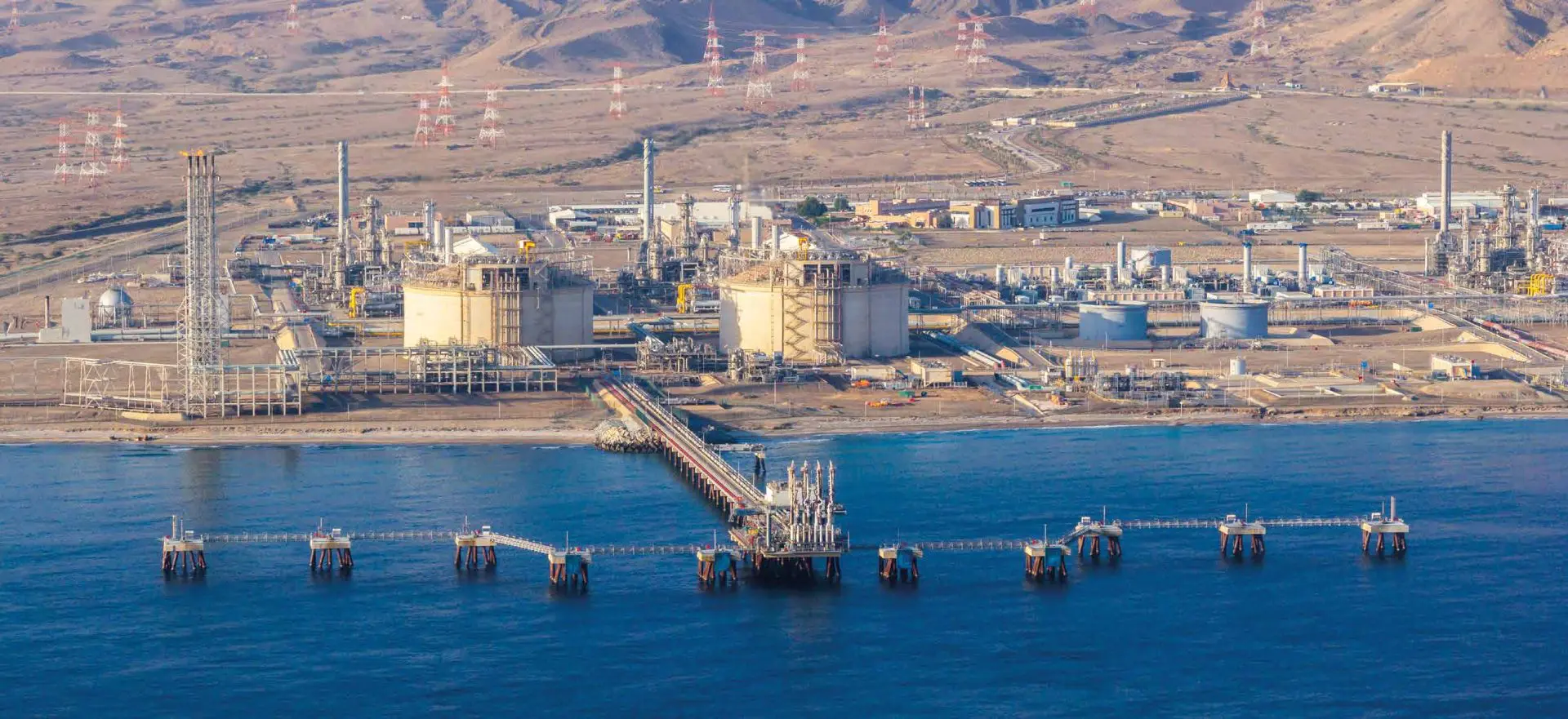
Oman LNG currently operates three liquefaction trains at its site in Qalhat near Sur.
In 2024, Oman LNG and SEFE finalized their sales and purchase deal.
Under the deal, SEFE will buy 0.4 million tonnes per annum of LNG between 2026 and 2029.
SEFE just launched a tender for medium-term LNG deliveries covering the period 2027 to 2036.
According to SEFE, the tender is for DES (delivered ex-ship) LNG cargoes, primarily into north-west European terminals.
Contract durations will range from one to ten years.
SEFE said the tender is open to both LNG producers and portfolio players, with deliveries from successful counterparties set to start as early as 2027.
“With this LNG tender, we want to engage the market, aiming to mitigate supply disruptions in the Middle East and strengthen Europe’s security of supply, while complementing our recent long-term LNG deals, including that with Argentina,” Frederic Barnaud, SEFE’s CCO, said.
QatarEnergy recently announced that it expects the damage to its Ras Laffan complex caused by missile strikes to cost about $20 billion a year in lost revenue and to take up to five years to repair, impacting supply to markets in Europe and Asia.
The firm said that it will be compelled to declare force majeure for up to five years on some long-term LNG contracts.