This story requires a subscription
This includes a single user license.
The company said in a statement on Monday that it has launched a market demand survey for small-scale LNG and bio-LNG, “inviting business partners to share information that will support the planning of future infrastructure and commercial offerings.”
Polent noted that it aims to gather insights into projected volumes, preferred delivery locations and fuel-use models to ensure that “future solutions are closely aligned with the needs of the B2B market.”
The survey forms, which will remain open until the end of June, form part of Orlen’s efforts to support the development of the small-scale LNG and bio-LNG market across both transport and industrial applications.
“By participating in the survey, customers will have an opportunity to help shape the future development of LNG reloading and logistics infrastructure for the 2029–2033 period, including the location, capacity, and operating model of planned facilities,” it said.
Small-scale LNG market growth
Last year, Orlen delivered more than 245,000 tonnes of LNG to its small-scale customers.
The LNG supplies were sourced primarily from the Gaz-System-operated Swinoujscie LNG terminal in Poland, as well as from the small-scale LNG reloading facility at the Klaipėda terminal in Lithuania and the group’s own production assets.
The company primarily imports LNG under long-term contracts from the US and Qatar.
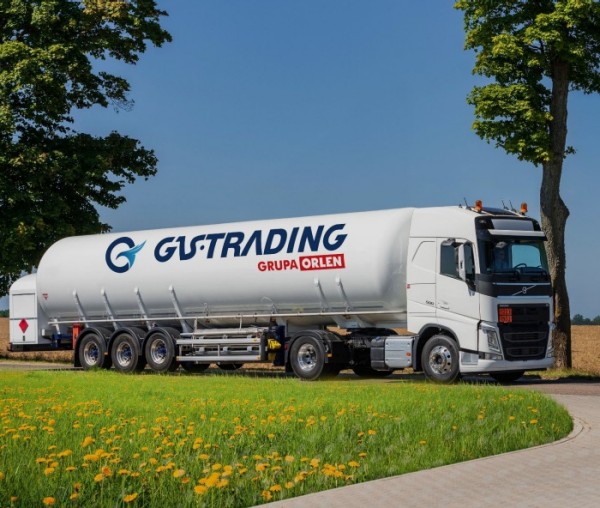
Orlen said that the LNG terminal in Świnoujscie will remain the region’s primary source of supply, with work underway to increase reloading capacity from 40 to 60 tanker trucks per day.
Infrastructure planned in Gdansk, currently being assessed under options including direct ship-to-truck LNG transfer or the use of onshore storage tanks, is intended to complement existing facilities and strengthen security of supply, the company said.
The planned facility will have a capacity of up to 48 tanker trucks per day.
Under the company’s current plans, LNG loading operations under the new model are expected to begin in 2030.
Orlen noted that the KN-operated LNG reloading terminal in Klaipėda, Lithuania, plays an “important role” in supplying the Baltic markets and has the potential for further expansion should strong demand growth in the region continue.