This story requires a subscription
This includes a single user license.
According to DNV, nine of the LNG-powered vessels were car carriers and one was a CO2 carrier. The remaining five orders were for LPG/ethane carriers.
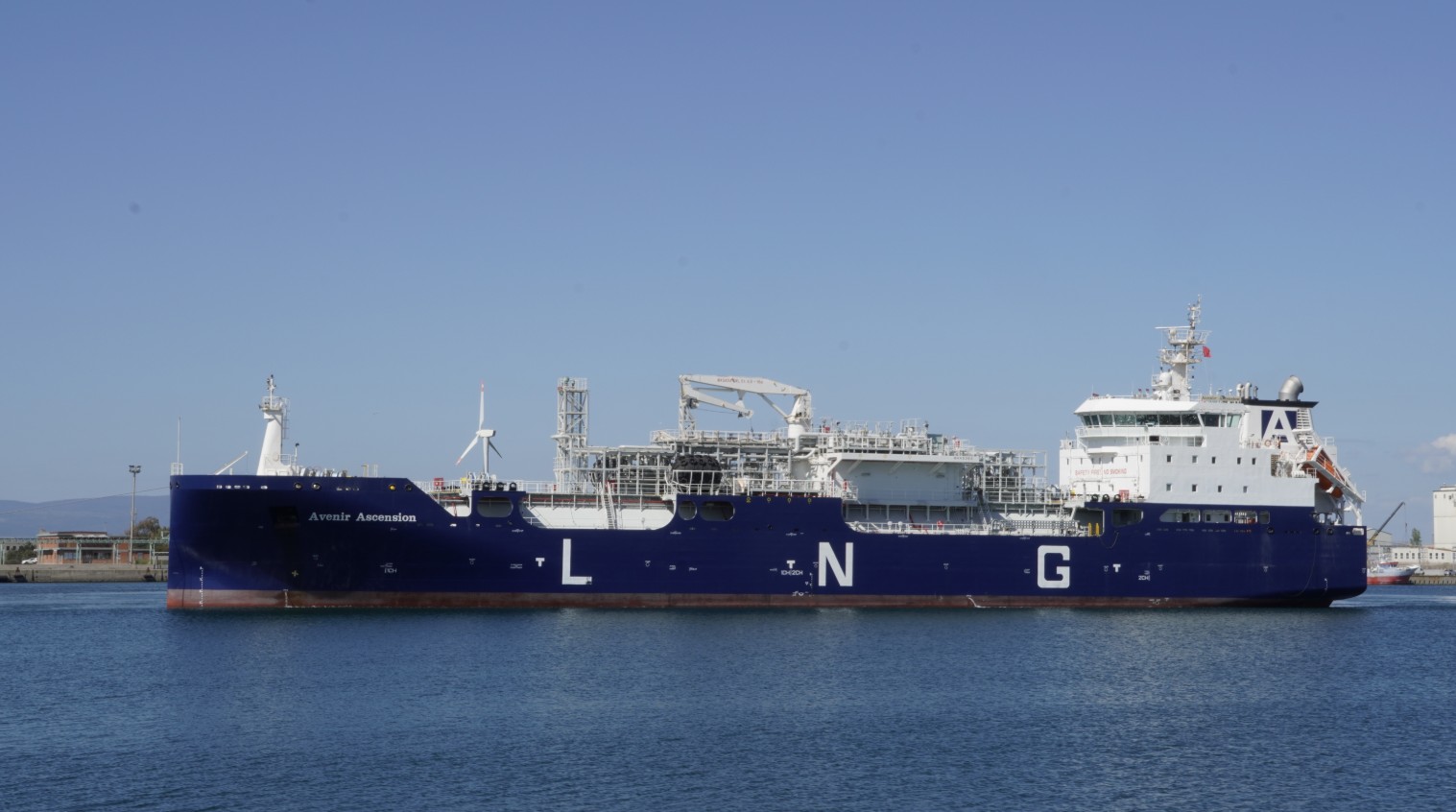
In addition, two LNG bunker-in vessels were also ordered in June, bringing the total in this segment to seven so far in 2026.
In total, 137 alternative-fuelled vessels were ordered in the first half of 2026, compared to 155 in the same period in 2025, DNV said.
Over half of these (73) were for LNG-fueled vessels, with most coming from the container (42) and car carrier (21) segments.
DNV said LPG/ethane carriers were also prominent, with 55 new orders, a significant uptick compared to the first half of 2025 (15).
The remaining orders were for vessels fuelled by methanol (2), ethanol (2), ammonia (4), and hydrogen (1).
According to DNV, deliveries in the first half of the year point to continued uptake of alternative-fuelled tonnage across several segments, with 61 LNG-fuelled vessels and 38 methanol-fuelled vessels delivered so far in 2026.
More recently, Exmar took delivery of what it describes as the first oceangoing dual-fuel ammonia vessel, marking a step beyond earlier ammonia-fuelled deliveries, which have largely been associated with pilot or demonstration projects rather than commercial deployment.
“LNG remains the leading near-term fuel option”
“What we can take away from the first half of 2026, in terms of the alternative-fuels orderbook, is that we have a market progressing at different speeds depending on segment economics, fuel availability, and the regulatory landscape. Shipowners and other stakeholders are pursuing different pathways based on their individual priorities and requirements,” Jason Stefanatos, global decarbonization director at DNV Maritime, said.
“LNG remains the leading near-term fuel option, with order activity continuing to be led by containers and car carriers. LPG and ethane carriers have also accounted for a significant share of activity in the first half of the year, while developments in areas such as ammonia and ethanol show that multiple pathways continue to be explored,” he said.
914 LNG-powered ships in operation
DNV’s Alternative Fuels Insight (AFI) platform shows that there are now 914 LNG-powered ships in operation and 654 LNG-fueled vessels on order.
Moreover, 244 LNG-powered containerships and 145 LNG-powered car carriers are in operation, followed by 95 oil/chemical tankers, and 88 crude carriers.
As per vessels on order, LNG-powered containerships account for a big part of the orders with 410 units. Shipping firms also ordered 101 car carriers, 44 crude oil tankers, and 33 cruise ships.
These statistics do not include smaller inland vessels or dual-fuel LNG carriers.
In addition to 1568 confirmed LNG-powered ships, the fleet powered by alternative fuels includes 449 methanol-fueled vessels, 425 LPG-powered ships, 50 ammonia-fueled vessels, and 37 hydrogen-fueled vessels.