
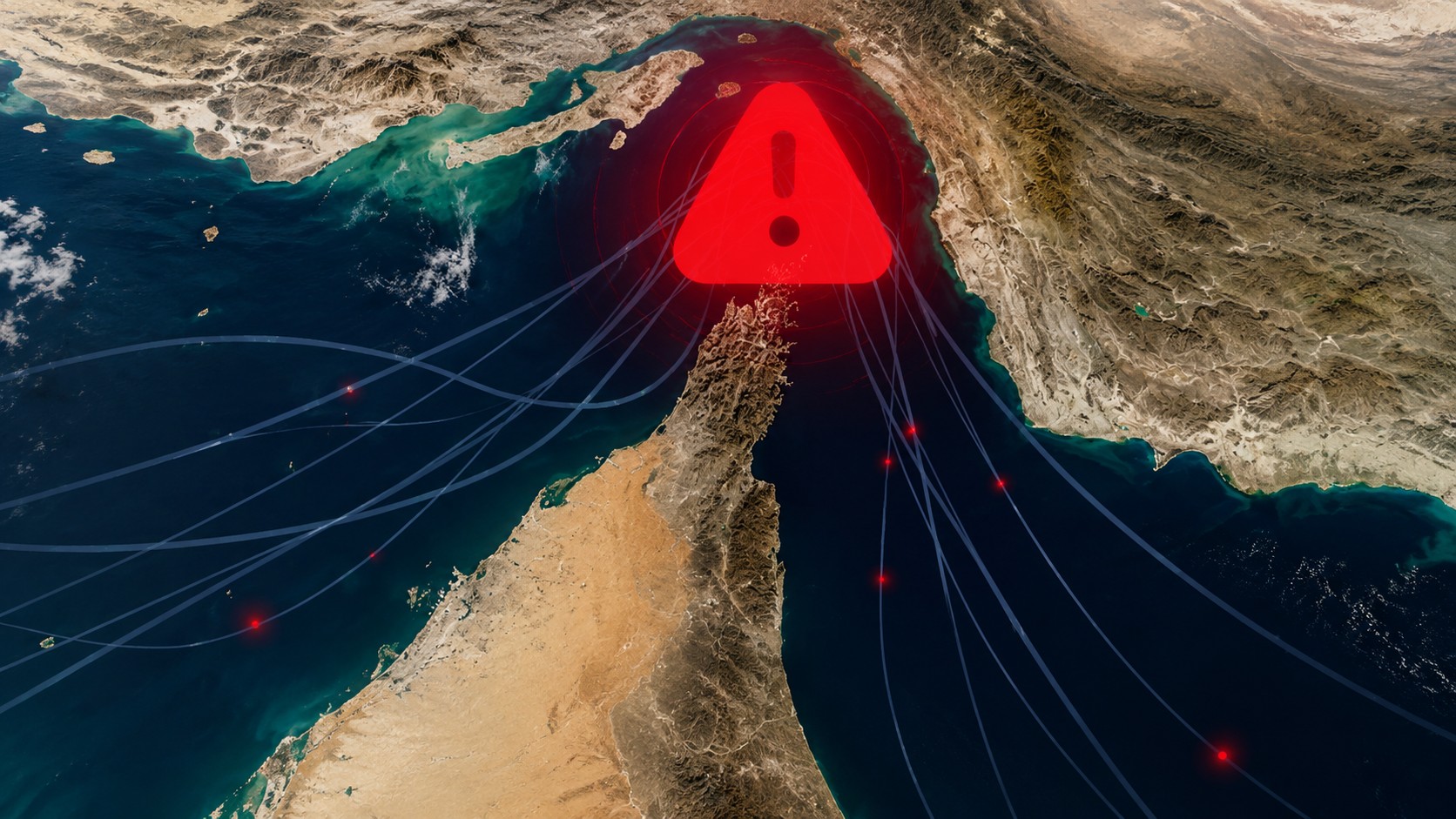
No LNG carriers have transited the Strait of Hormuz since July 11, as the security situation around the strategic waterway continues to deteriorate following Iranian attacks on three commercial vessels and subsequent military exchanges between Iran and the United States, according to Kpler data.
Kpler said in a report on Wednesday that the Adnoc-operated Al Hamra was the last known LNG carrier to transit the strait on July 11.
It left the Middle East Gulf laden after loading a cargo at Abu Dhabi’s 5.8 mtpa Das Island LNG plant on July 7-9, the report said.
Moreover, Al Hamra was the third vessel to cross the Strait after Iran attacked the QatarEnergy-operated and Nakilat-owned Al Rekayyat and two other commercial vessels on July 7, Kpler said.
Prior to its crossing, the QatarEnergy LNG tankers Al Rayyan and GasLog Shanghai crossed into the Middle East Gulf on July 9, becoming the first two LNG carriers to enter the Gulf after the attack on Al Rekayyatm the report noted.
The Al Rekayyat was struck by an unidentified projectile near the Omani Coast on July 7, shortly after transiting the strait, prompting a sharp escalation in regional tensions, Kpler said.
21 LNG carriers
Kpler data show 21 LNG carriers are currently inside the Middle East Gulf.
These comprise 13 ballast vessels and five laden carriers, while four vessels are berthed—two at Qatar’s 77 mtpa Ras Laffan export terminal, one at the UAE’s 5.8 mtpa Das Island LNG terminal, and another at Dubai’s Jebel Ali port, Kpler said.
Kpler said the total excludes the LNG carrier Shandong Redwood, which entered the Gulf on June 26 before switching off its AIS signal four days ago.
The vessel was last detected at Ras Laffan anchorage but was no longer visible there in satellite imagery captured on July 12, according to Kpler LNG data analysts.
Kpler noted that the disruption is particularly significant because the Strait of Hormuz remains the only maritime export route for Qatari LNG cargoes destined beyond the Middle East Gulf. The waterway is also critical for LNG exports from the UAE.
LNG traffic had begun recovering in June following a ceasefire agreement and renewed US-Iran negotiations aimed at ending the conflict, with Kpler data showing 40 LNG carrier transits through the Strait during the month, compared with eight in May, four in April, and none in March, it said.