This story requires a subscription
This includes a single user license.
Uniper announced the agreement in a statement on Thursday, but it did not provide further details regarding quantities or duration.
The sustainably produced biomethane is liquefied at the Gate terminal, owned by Gasunie and Vopak, using the existing LNG infrastructure and stored temporarily as bio-LNG.
In 2024, Uniper, which is a capacity holder at Gate, became the first shipper to start using the bio-LNG capacity produced at the facility, as it looks to further reduce the emissions of its portfolio.
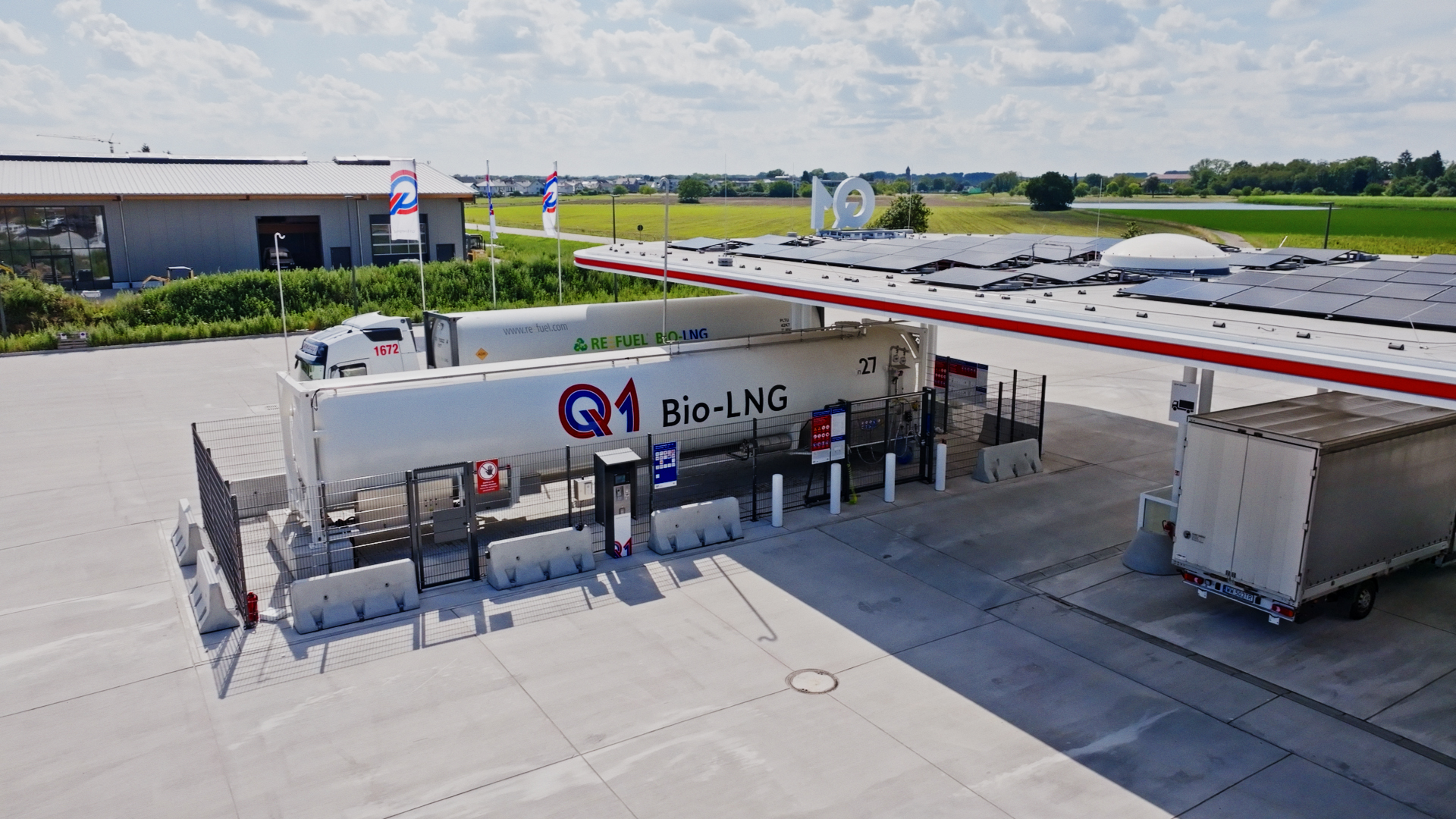
Once produced, Uniper transports bio-LNG in ISO tank containers from Rotterdam to a central storage point in Germany, where Q1 takes charge of distributing it to filling stations according to need.
Q1’s website shows that the company currently operates six LNG/bio-LNG filling stations in Germany.
“As the owner, importer, and distributor of the bio-LNG, Uniper is responsible for the entire supply chain from transporting biomethane to liquefying it and on to importing the gas into Germany, and as such it is entitled to claim the resulting GHG quotas,” the company said.
Uniper said that the entire supply chain is certified according to internationally accepted certification systems that were recognized by the European Commission in accordance with the Renewable Energy Directive (RED).
“The partnership with Q1 highlights the increasing importance of bio-LNG in the heavy-duty transportation sector,” Nils Beenen, managing director at Uniper Energy Sales, said
“With our integrated bio-LNG supply chain, we have the expertise to provide renewable gases along the entire value chain, from procurement and liquefaction to supplying our customers,” he said.