This story requires a subscription
This includes a single user license.
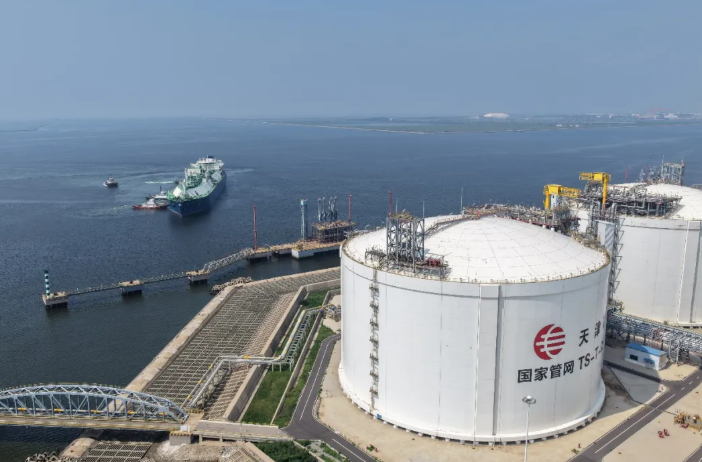
The 2015-built 159,855-cbm LNG carrier, Maran Gas Mystras, delivered the milestone cargo to the Tianjin LNG terminal on July 19, according to a statement by PipeChina’s LNG terminal management unit.
The LNG carrier’s AIS data provided by VesselsValue shows that the vessel, owned by Greece’s Maran Gas, brought the LNG cargo from the Petronas-operated Bintulu LNG plant in Malaysia.
PipeChina LNG Terminal Management said the vessel delivered 65,600 mt of LNG to the facility.
“Coinciding with a critical period in the Beijing-Tianjin-Hebei region’s summer peak demand season, the shipment provided a solid foundation of clean energy to ensure a stable supply during the region’s heatwave,” the company said.
With temperatures continuing to rise, gas consumption for residential cooling and industrial and commercial power generation in the Beijing-Tianjin-Hebei region has increased simultaneously, putting greater pressure on energy supply security, PipeChina said.
The vessels arriving at the port are carrying sufficient LNG supplies, which, after unloading and regasification, will be fed into the national gas grid to supplement gas supplies and alleviate the summer gas shortage, it said.

PipeChina noted that the Tianjin LNG terminal currently has an annual receiving capacity of 12 million mt, a total gas storage capacity of nearly 1 billion cubic meters, and a maximum daily regasification and transmission capacity of 70 million cubic meters.
Since commencing operations in 2013, the Tianjin LNG terminal has delivered over 45 billion cubic meters of gas, according to the firm.
In 2023, the Tianjin LNG terminal started supplying regasifed LNG to the grid only from land-based facilities following the departure of the 2010-built 145,130-cbm, FSRU Cape Ann.
This unit, previously known as GDF Suez Cape Ann, started serving the Tianjin facility back in 2013 as the first FSRU in China under a sub-charter deal with CNOOC.