
Russian independent LNG producer Novatek reported a 40 percent decline in its second-quarter profit due to the effects related to the Covid-19 pandemic.
Net profit reached 41.6 billion roubles ($572.8 million) in the April-June period, compared to 69.1 billion roubles last year.
Revenues also dropped 34.1 percent to 143.9 billion roubles ($1.98 billion).
Novatek said its results were “significantly impacted by the unfavorable macroeconomic environment” as the Covid-19 pandemic destroyed demand all over the globe pushing prices down to record lows.
Revenues also dropped due to lower LNG sales on international markets.
Novatek reported earlier this month it sold 2.47 bcm of LNG, a drop of 32.3 percent year-on-year.
The company attributed the decline to lower Yamal LNG spot sales as the project’s direct sales under long-term contracts increased.
The LNG producer, like its compatriot Gazprom, also took a hit due to a weak rouble.
Novatek recongnized “substantial foreign exchange effects on foreign currency denominated loans by the group’s subsidiaries and joint ventures,” it said.
“These exogenous events are outside of the group’s management control, and their scale and duration are difficult to assess,” the company said.
LNG developments moving forward
Despite the economic instability on the global markets, Novatek continues to implement its LNG export projects.
The company’s second-quarter capital expenditures almost doubled to 61.3 billion roubles, compared to 31.2 billion roubles last year.
In total, cash used for capital projects reached 102.5 billion roubles in the first six months of this year.
Novatek said a “significant portion” of its capital expenditures was alocated to its ongoing LNG developments.
These include the Murmansk construction center, the Obskiy project, and the Arctic LNG 2 project.
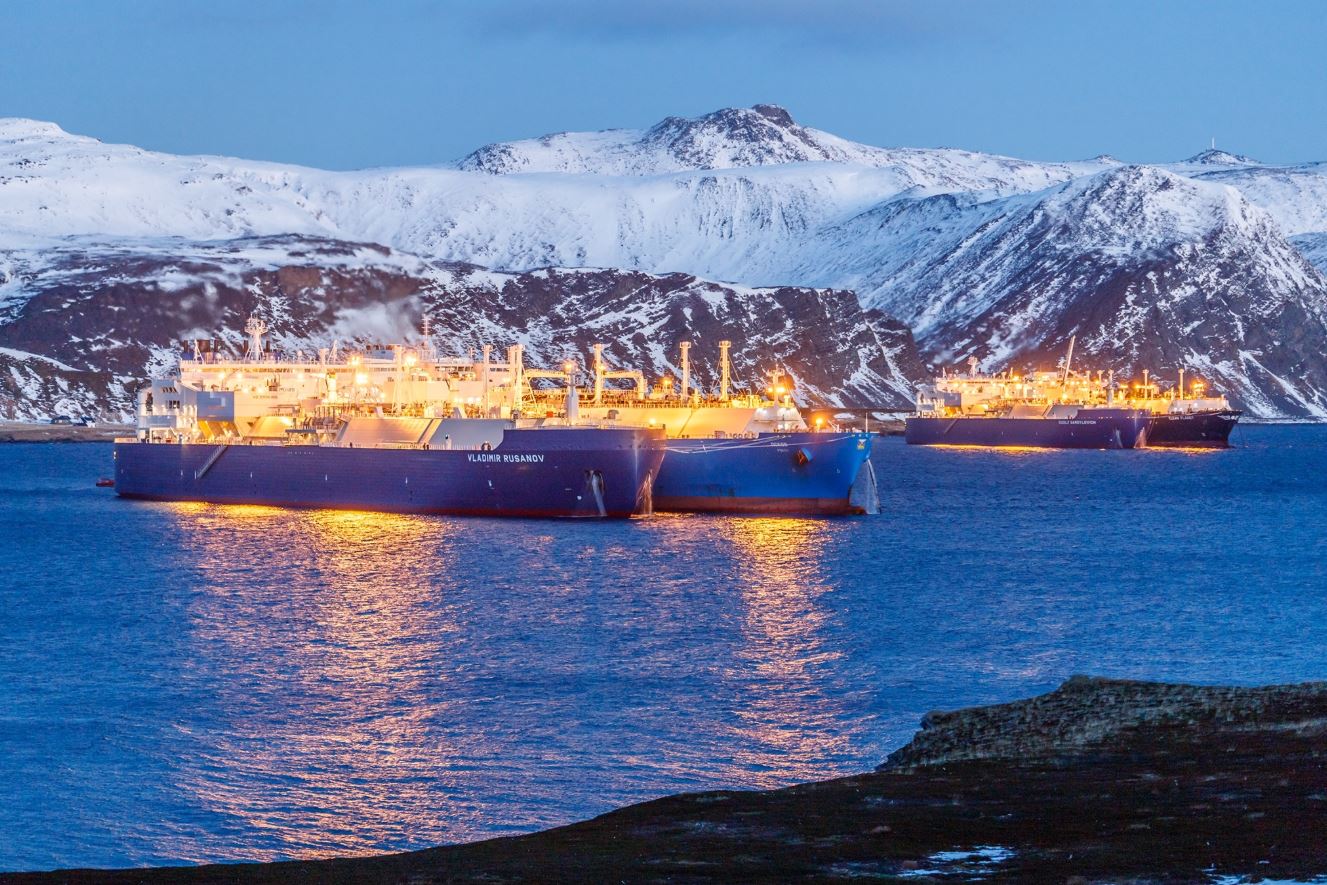
Novatek’s only operational large project, not including Vysotsk, is the 17.4 mtpa Yamal LNG plant in the Russian Arctic.
The project includes three 5.5 mtpa LNG trains and one unit with a capacity of 900,000 tons per year.
The first LNG train began production in the fourth quarter of 2017, while trains 2 and 3 were launched in July 2018 and November 2018, respectively.
The Russian producer plans to reach a total of up to 70 mtpa of LNG production capacity by 2030 and has lined up several new developments.
These include the company’s second Arctic LNG project with a 6.6 mtpa capacity and the planned Obskiy development.
The second Arctic LNG project is about 19 percent complete with a targeted launch of the first train in 2023.