
New York-listed Capital Product Partners said it has taken delivery of the sixth 174,000-cbm liquefied natural gas (LNG) carrier, completing its previously announced acquisition program.
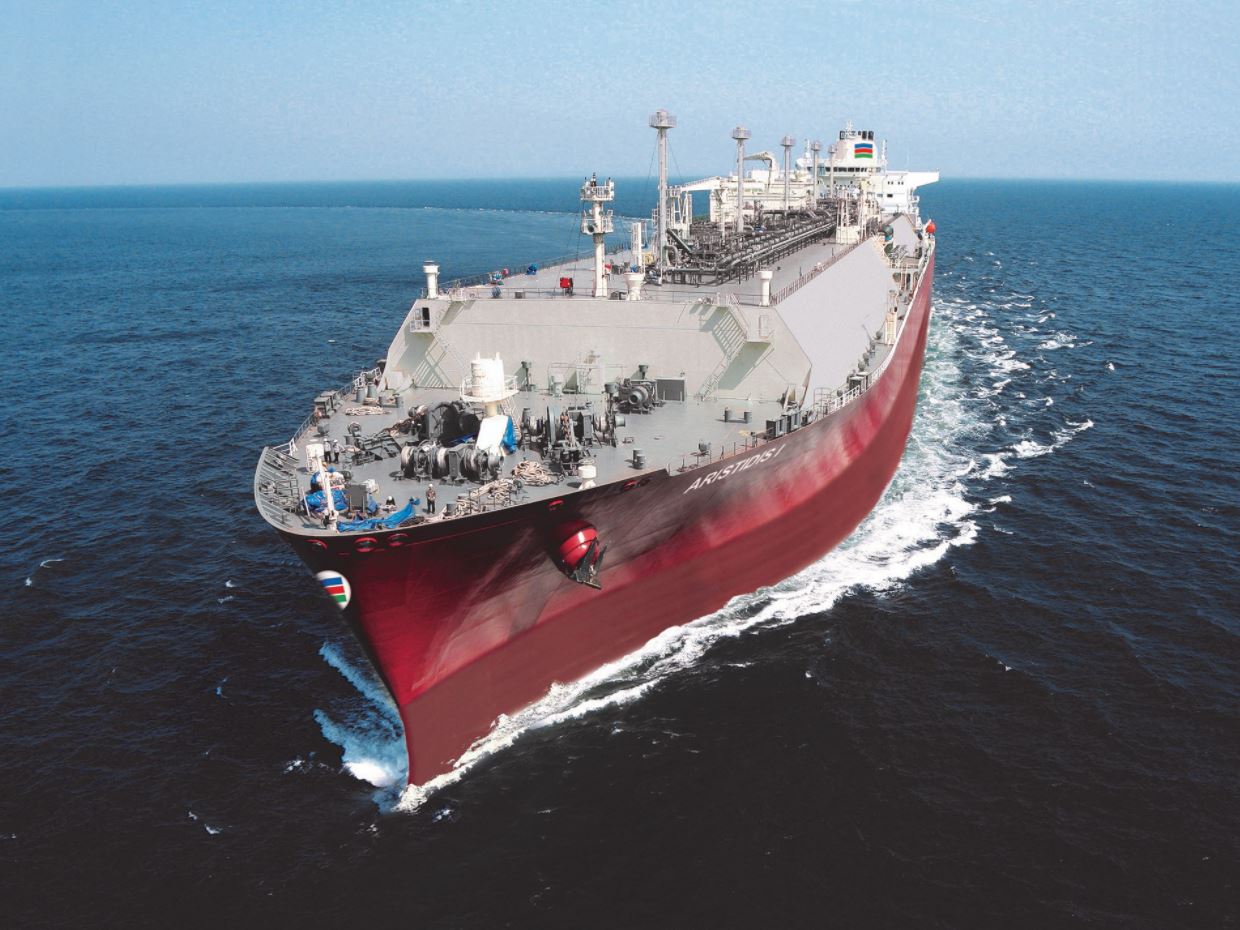
CPLP said in a statement on Friday it took delivery of the 2021-built LNG carrier Aristidis I.
Built by Hyundai Heavy, the X-DF LNG carrier serves BP under a long-term charter.
The partnership said it has financed the acquisition with $82 million cash at hand and the assumption of $123 million of debt.
Jerry Kalogiratos, chief executive of CPLP’s general partner welcomed the completion of this “substantial investment, amounting to more than $1.2 billion, in six latest generation LNGCs with long-term employment in place.”
“We believe that this transaction is highly transformative for the partnership across all metrics and positions us firmly in the LNG market,” he said.
“The LNG market is supported by positive long-term fundamentals, as both natural gas and LNG are expected to play a key role in the energy transition to net zero and as such, we are excited to be growing in this segment at an opportune moment,” Kalogiratos said.
The partnership revealed last month it had exercised an option to buy three more X-DF LNG carriers, following a recent deal for an LNG carrier trio with CGC Operating Corp.
A US-based financial sponsor and Miltiadis Marinakis equally own the parent company of CGC. Marinkis is also the ultimate controlling person of all membership interests of the partnership’s general partner, according to CPLP.
Additional LNG carriers
Evangelos Marinakis-led Capital Gas, the manager of all of these LNG carriers above, recently took delivery of the sixth out of nine LNG carriers on order in South Korea.
Capital Gas will take delivery of three more LNG newbuilds in 2023.
The first seven LNG carriers feature WinGD’s X-DF engines and GTT’s Mark III Flex containment system but also an air lubrication system and increased filling limits.
Also, two new LNG tankers ordered this year will feature ME-GA engines, according to Capital Gas.
CPLP also previously said it had obtained from Capital Maritime & Trading Corp. a right of first offer on these three LNG carriers scheduled for delivery in 2023.