
UK’s Ineos has chartered two liquefied natural gas carriers from Japan’s shipping giant MOL to ship its contracted US LNG supplies to Germany.
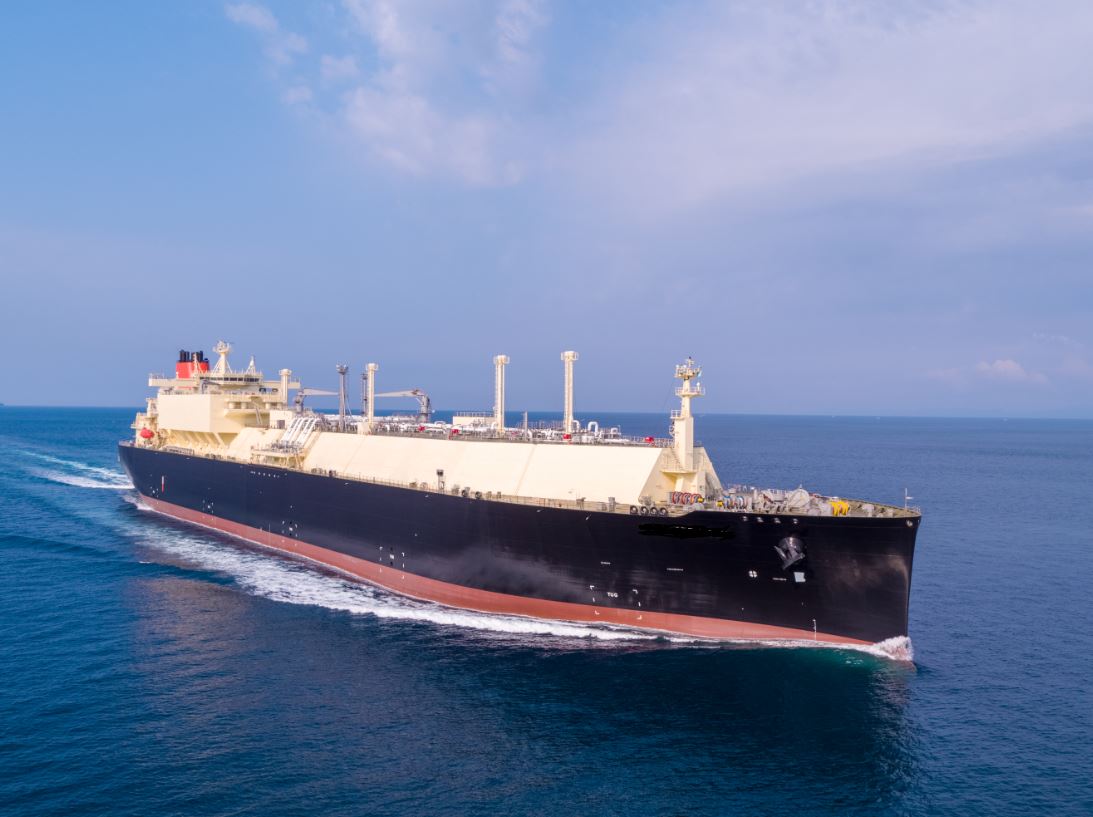
Ineos Energy Trading, a unit of Ineos, will take on charter two 174,000-cbm newbuild LNG carriers, it said in a statement.
The two firms signed the charter deals on June 23, it said.
Both of the vessels will be built by South Korea’s Hanwha Ocean, previously known as DSME, and they will feature MAN ME-GI engines, air lubrication technology, and shaft generators.
Ineos did not provide any additional information regarding the charter deals or the vessels.
MOL said in a separate statement issued on June 28 that Hanwha Ocean will deliver both of the vessels in 2027.
Also, the ships will be 294.9 meters long and 46.4 meters wide.
MOL has a large number of LNG carriers on order at Hanwha Ocean and last year revealed charter deals for vessels being built at the shipbuilder and scheduled for delivery in 2025 and 2026, as well as a recent deal with Jera.
In February, MOL ordered one LNG carrier at Hanwha Ocean and another vessel in April. Both of these LNG tankers are scheduled for delivery in 2027.
The shipping firm has at least 14 LNG carriers on order at Hanwha Ocean, according to VesselsValue data.
First LNG carriers
These will be the first LNG vessels in the Ineos’ fleet.
Ineos said it will capitalize on its experience as the largest transporter of ethane gas from the US to Europe and Asia, to develop a ‘pipeline’ of LNG into Europe to service its own demand, as well as that of select third parties.
David Bucknall, CEO of Ineos Energy Trading, said in the statement “it was extremely important that we selected modern, efficient vessels with environmental considerations embedded in the design.”
“We agreed an engine type and vessel specification with MOL that we believe is optimal for reducing carbon emissions and methane slip,” he said.
Porth Arthur LNG and German LNG terminal
Last year, Ineos agreed to buy about 1.4 million tonnes per year of LNG for a period of 20 years from Sempra Infrastructure’s Port Arthur LNG project in Texas.
Sempra took a final investment decision for the first phase of the LNG export project worth about $13 billion in March this year.
Starting in 2027, Ineos plans to deliver these Port Arthur LNG supplies to the planned onshore LNG import terminal in Brunsbuettel, Germany, where it also booked long-term capacity.
The facility, developed by German LNG Terminal at the mouth of the Elbe on the North Sea, will have a capacity of 8 bcm of natural gas per year.
(Updated with a statement by MOL.)