This story requires a subscription
This includes a single user license.
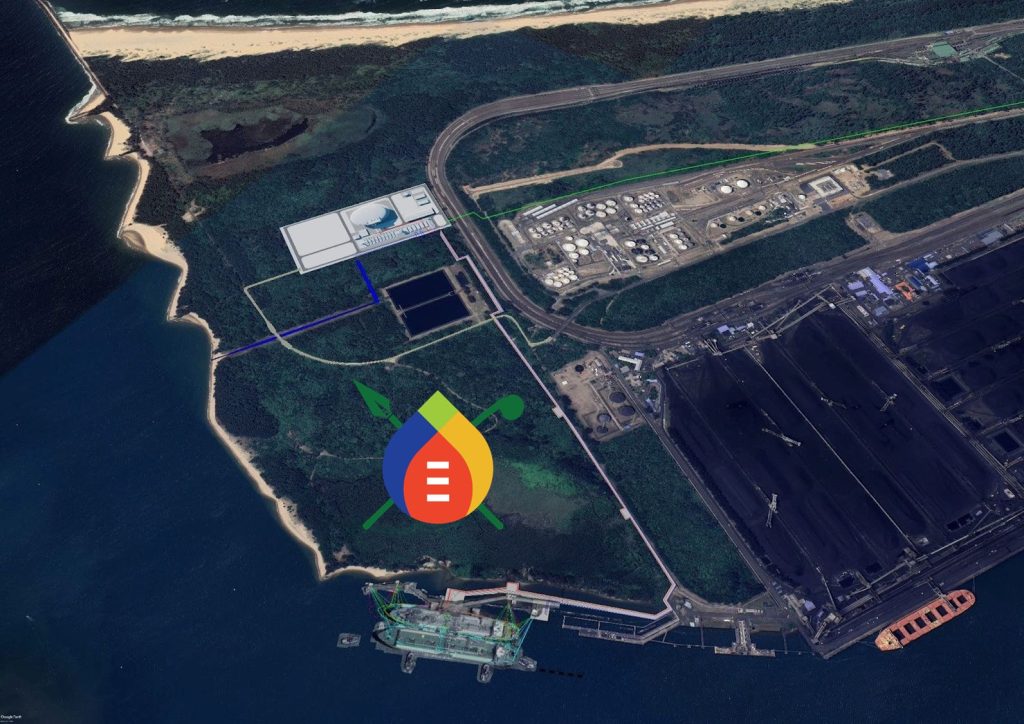
Zululand Energy Terminal (ZET) said in an announcment on Thursday that the EOI provides qualified EPC contractors that meet the specified minimum requirements with an opportunity to participate in the delivery of this large-scale strategic energy infrastructure project.
The selection of EPC contractors will follow a phased procurement approach, commencing with this EOI, followed by a request for information (RFI) issued to qualifying contractors, and progressing to a request for quotation (RFQ).
Moreover, ZET noted that this structured process is designed to assess capability, refine the contracting framework, and support the appointment of preferred partners for project execution.
EPC execution will be governed by the applicable local charter and successful contractors will be required to comply with localization requirements, including the engagement of local labor.
TET said that qualifying parties will be included in the project’s vendor database and may be shortlisted for subsequent phases as potential preferred contractors or subcontractors.
The closing date for submissions is July 9.
Eskom, ExxonMobil
The EOI comes just a day after US energy giant ExxonMobil signed a heads of agreement with ZET to supply LNG to the planned LNG import terminal in Richards Bay.
The HoA signals international market interest in supplying LNG to South Africa and supports the continued development of infrastructure required to establish a new gas import platform for the country, ZET said.
Earlier this month, South Africa’s state power company, Eskom, signed a heads of agreement with ZET to become a foundation customer for the planned LNG import terminal.
Eskom will assume foundation customer status at the proposed terminal that will provide open access to LNG import, storage, and regasification infrastructure, underpinning Eskom’s planned 3,000 MW gas-to-power program.
In February 2025, South Africa’s Transnet National Ports Authority signed a 25-year terminal operator agreement with the joint venture consisting of Vopak and Transnet Pipelines for South Africa’s first LNG import terminal.
Both TNPA, which is developing an LNG import terminal in the Port of Ngqura, and Transnet Pipeline are part of the South African rail, port, and pipeline company Transnet.
Vopak is developing the LNG import project via its 70 percent-owned joint venture, Vopak Terminal Durban.
Furthermore, the partners plan to develop the project in two phases.
According to ZET, the first phase includes a floating storage unit (FSU) of at least 170,000 cbm capacity and an onshore regasification system with an indicative capacity of 3 mtpa, or about 400 mmscfd, and optional truck loading facilities.
Vopak and Transnet Pipelines plan to take a final investment decision on this phase in 2028.
The second phase includes an onshore LNG tank with a capacity of up to 220,000 cbm, potentialy replacing the FSU, and additional regasification capacity, increasing the total to 4.5 mtpa.