
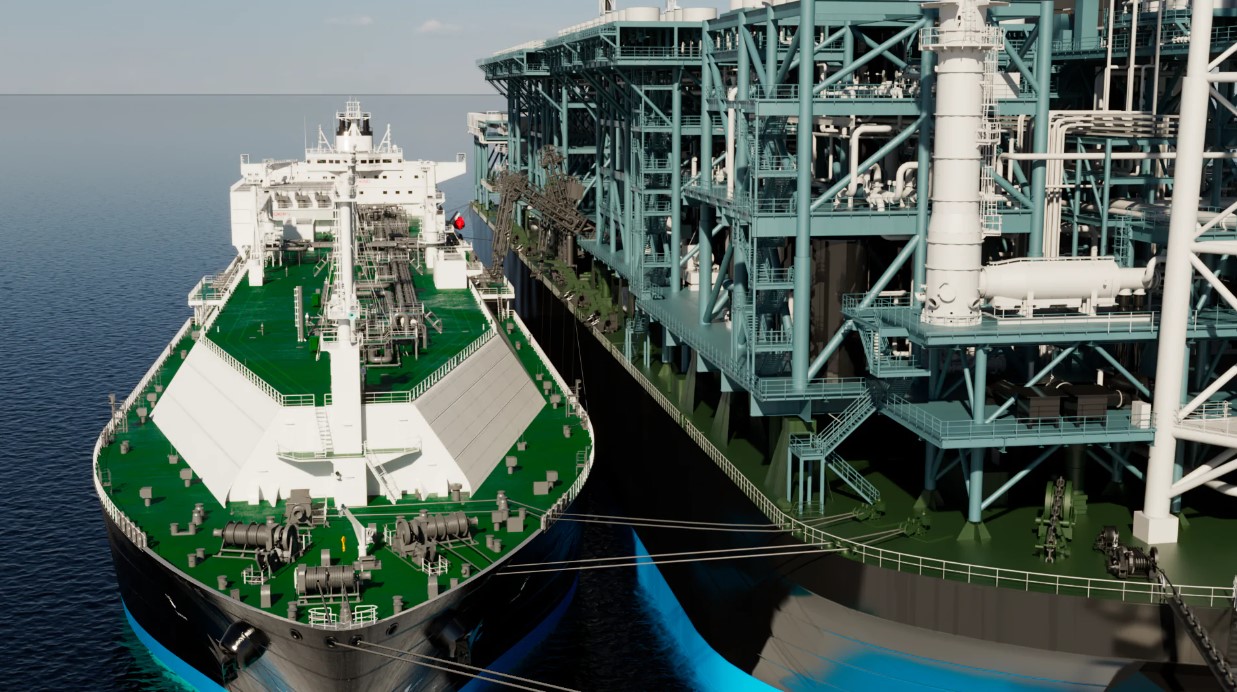
Delfin LNG, a unit of Delfin Midstream and the developer of a floating LNG export project in the Gulf of Mexico, has won more time from the US FERC to put into service the project’s onshore facilities in Louisiana.
Last year, the FERC granted a one-year extension of time, to September 28, 2023, to Delfin to construct and make available for service the LNG project’s onshore facilities.
The LNG terminal developer filed a request with the FERC on July 21 this year seeking a four-year extension of time.
“Because we find that Delfin has demonstrated good cause for the extension of time, we will grant the requested four-year extension of time to complete the onshore facilities authorized in the 2017 certificate order,” the regulator said in a filling dated October 4.
Delfin now has time until September 28, 2027, to construct and make available for service the onshore facilities, it said.
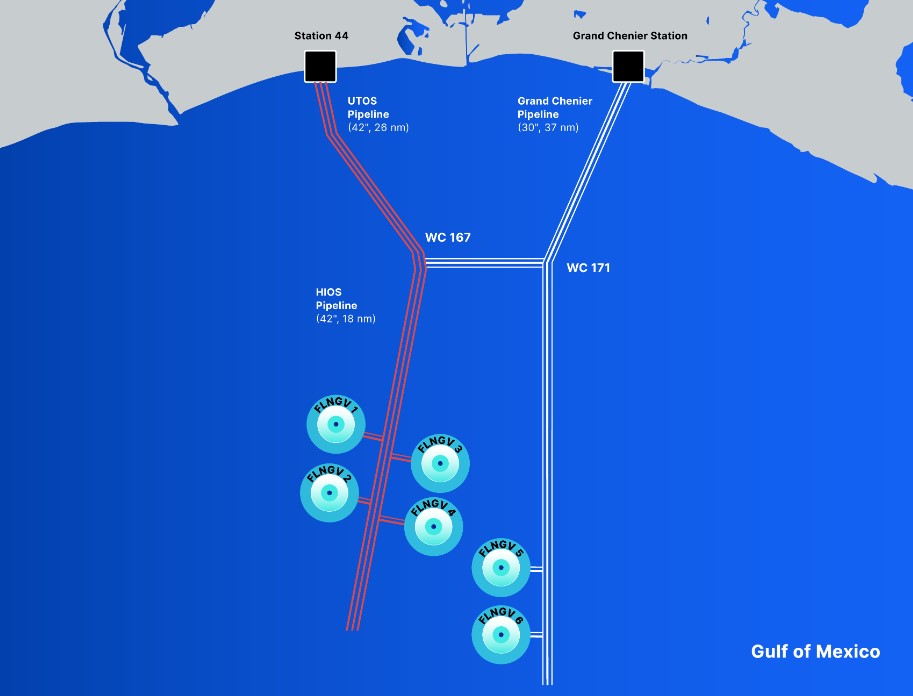
The company plans to install up to four self-propelled FLNG vessels that could produce up to 13.3 mtpa of LNG or 1.7 billion cubic feet per day of natural gas as part of its Delfin LNG project.
It also aims to install two FLNG units under the Avocet LNG project.
In the July filling, Delfin Midstream said it expects to take a final investment decision on its first FLNG in October this year.
Delfin also negotiated a binding engineering, construction, and procurement contract with South Korea’s Samsung Heavy Industries and US engineer Black & Veatch and said that it expects to sign this deal by September this year.
The firm recently also joined forces with China’s Wison Offshore & Marine to develop additional floating LNG producers.
Besides the Wison deal, Delfin sealed a supply deal in July with UK-based Centrica worth about $8 billion.
Prior to that, the firm secured an investment from Japan’s shipping giant MOL and previously signed supply deals with Hartree Partners and Vitol.
In addition to these agreements, Delfin LNG entered into a heads of agreement in September last year with US oil and gas producer Devon Energy for long-term liquefaction capacity, but also a pre-financial investment decision strategic investment.