This story requires a subscription
This includes a single user license.
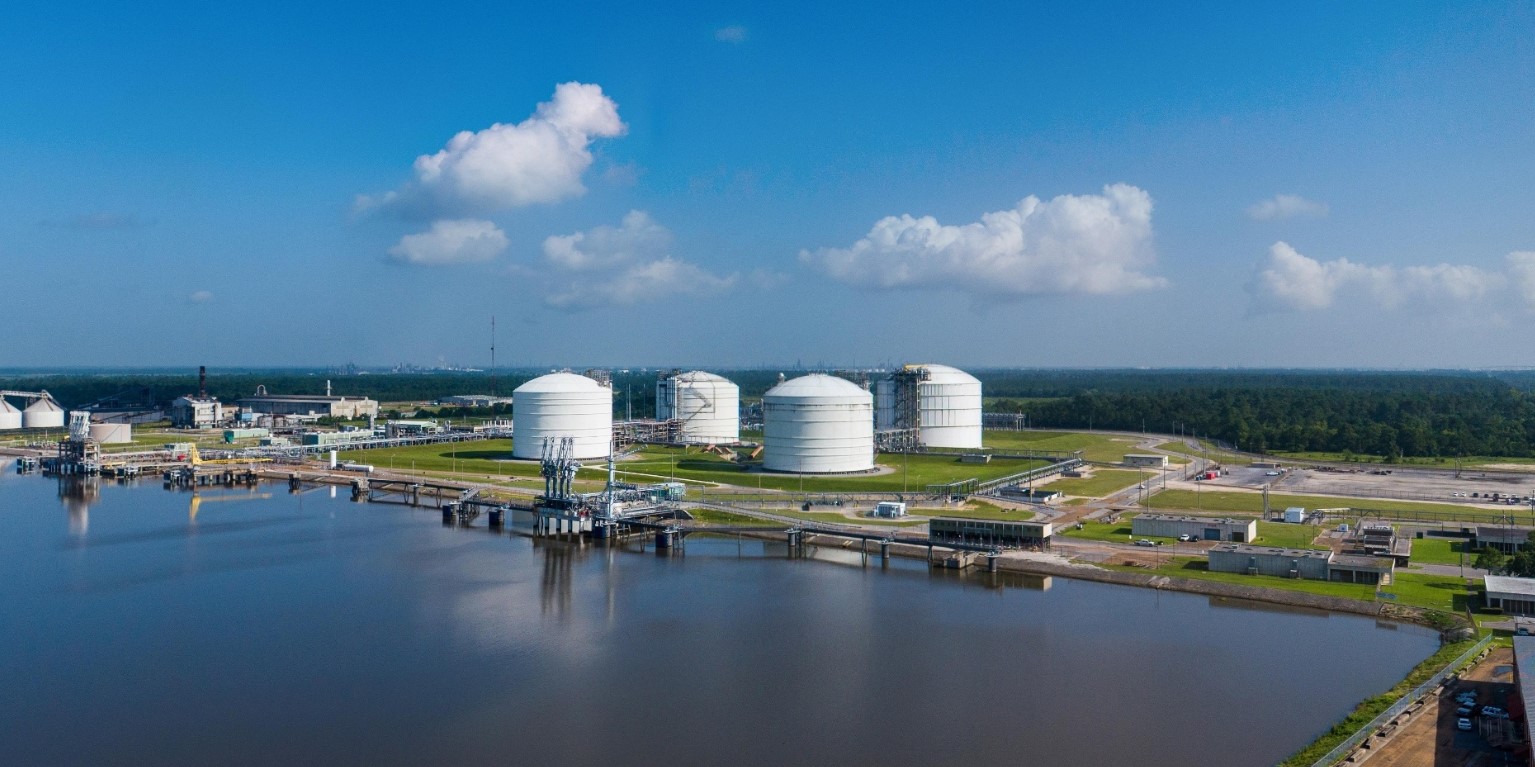
Energy Transfer’s Lake Charles LNG project seeks to convert its existing regasification terminal to an LNG export facility.
It has a proposed liquefaction capacity of 16.45 mtpa and includes three trains and also modifications to the Trunkline Gas pipeline.
In September last year, Energy Transfer executed an EPC agreement with a joint venture of France’s Technip Energies and US-based KBR.
Earlier this year, Lake Charles LNG signed a heads of agreement with MidOcean Energy, the LNG unit of US-based energy investor EIG, which provides a non-binding framework for the joint development of the LNG project.
Pursuant to the HoA, MidOcean would commit to fund 30 percent of the construction cost and be entitled to 30 percent of the LNG production, or about five mtpa.
In addition, Lake Charles signed twenty-year SPAs with Kyushu Electric Power and Chevron.
Thomas Long, co-CEO and director of Energy Transfer, said on Wednesday during the company’s third-quarter earnings call that the company is in “advanced discussions with MidOcean Energy related to its participation as a 30 percent equity owner of Lake Charles LNG with a commensurate percentage of LNG offtake.”
Long said the company is also in discussions with other parties for the remaining equity that the company intends to sell in order to reduce Energy Transfer’s equity interest to 20 percent.
“We are also in the process of converting non-binding heads of agreement with several offtake customers to binding agreements with the remaining volume of offtake needed for positive FID,” he said.
“FID on the project will be dependent upon bringing these items to the finish line. We continue to be extremely focused on capital discipline. The process we are going through during the development of our LNG project highlights this focus. Our projects need to meet certain risk/return criteria, and we are not there yet on LNG,” Long said.
“Time is not working against us”
Marshall McCrea, co-CEO and director of Energy Transfer, also answered a question on how many more contracts the company needs for FID and the sell-down process.
“Let me step back real quick. We worked on Lake Charles for a lot of years. We’ve had different partners. We’ve gone through the pandemic and through the DOE pause, LNG pause, Ukraine,” he said.
McCrea said the team has done a “great job of getting markets in difficult times, especially when we’re competing against companies that all they do is LNG and they’re willing to go to FID without having sufficient contracts to provide guaranteed rates of return.”
“So where we sit is, and we’ve said this all along, Tom and I, the only way we get to the end zone with LNG is to check all the boxes. And the major boxes are our EPC contract. We feel great about Raj and Rob and the team that worked very well with KBR and Technip to get a good price there and add contingency and get rates of return that work for us,” he said.
“And then we’ve spent a great deal of time getting the markets to where they need to be. We’re very close to that 15 million, 15.5 million tons. Some of those are still HOAs, we’ve got to convert to SPAs that we expect to do by the end of the year,” he said.
“But the big box, and Tom has already hit on this, we really are focused with all the opportunities we have on our financial discipline. So we’re very stringent about this one in regards to we’re going to keep 20 percent of the equity in this, and we’ve got to have 80 percent of the other partners that are going to ride with us, good or bad, whether it comes in under or over at the end of the day,” McCrea said.
“So a specific number of contracts, and we’ve got a whole handful of equity players., It’s amazing, the international market, of how bad they want this project to go. It’s one of the most attractive projects still not at FID, but we’ve got a lot of work to do,” he said.
McCrea said “time is not working against us.”
“We’ll have to go in and renew the EPC contract before too long. So we’re hoping that these equity partners will step up by the end of the year and get us to where we want on kind of the risk profile and the participation we want in this project. So we’re going to keep our heads down, we’ll see over the next couple of months how things turn out, and we’re pushing hard to get there, but we’ve got a ways to go,” McCrea concluded.