This story requires a subscription
This includes a single user license.
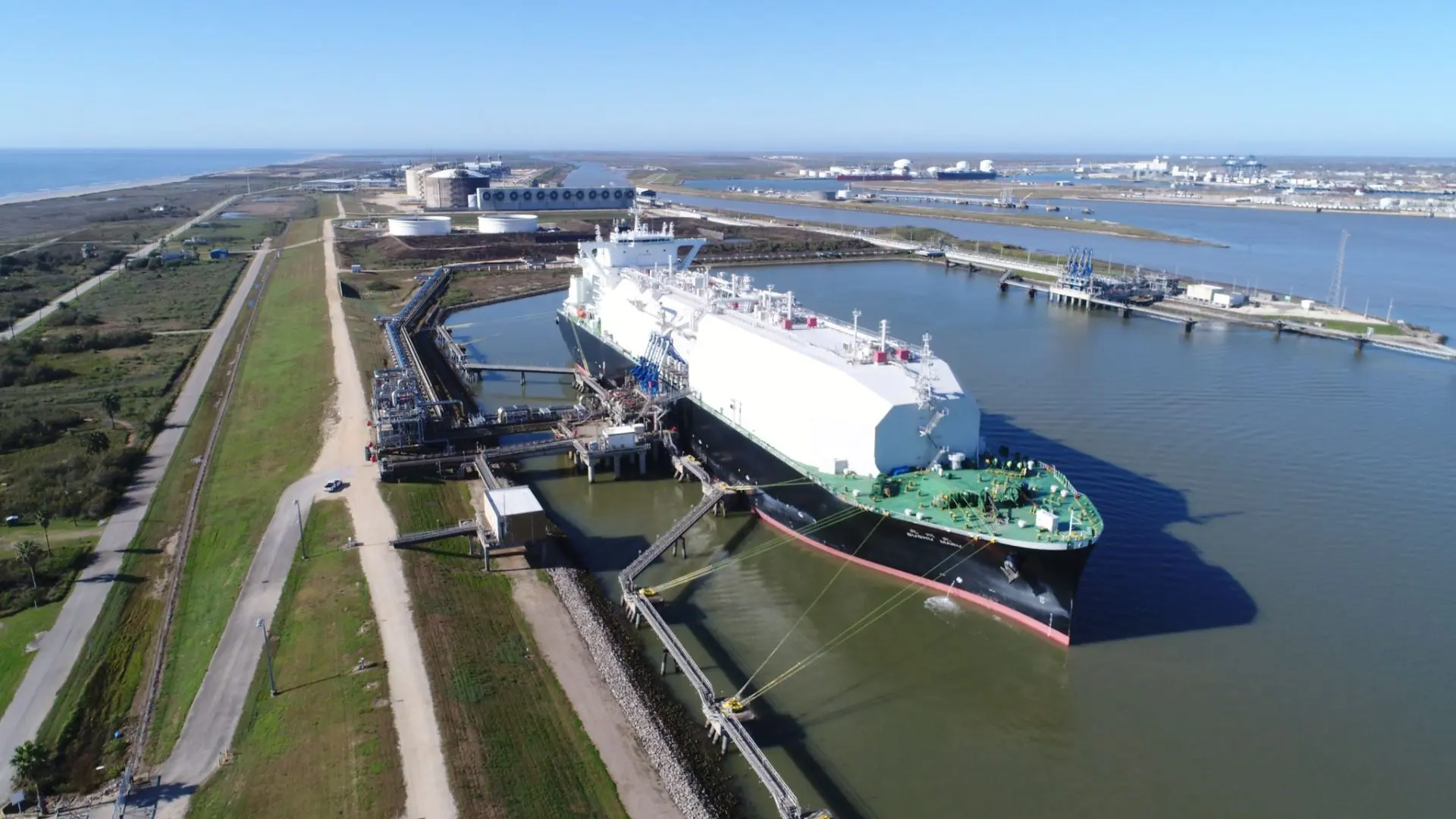
EIA said in its weekly natural gas storage report that the LNG-carrying capacity of vessels departing US ports was 111 Bcf, down 10 Bcf from the previous week.
The agency previously said that vessel departures declined amid liquefaction plant and pipeline maintenance activities that restricted output at some US terminals.
Cheniere’s Sabine Pass plant shipped eight LNG cargoes, and the company’s Corpus Christi facility sent five shipments during the week ending May 27, according to the report.
Moreover, Venture Global LNG’s Plaquemines terminal sent seven cargoes, and its Calcasieu Pass facility sent three cargoes
The Freeport LNG facility, Sempra Infrastructure’s Cameron LNG terminal, and the Cove Point facility each shipped two cargoes.
There were no shipments from the Elba Island facility during the week under review.
Henry Hub down
EIA reported that the Henry Hub spot price dropped by 20 cents from $3.15/MMBtu last Wednesday to $2.95/MMBtu this Wednesday.
The agency said that elevated temperatures across the central United States led to 247 more cooling degree days in the Lower 48 states compared with last week (113 more than normal) and 115 fewer heating degree days.
Increased heat led to a 1 Bcf/d (3 percent) increase in electric power sector consumption.
Despite this, total US natural gas consumption fell 1 Bcf/d (1 percent), according to LSEG data.
Total US natural gas supply remained flat as an increase in net imports from Canada (0.3 Bcf/d) was offset by a decrease in dry natural gas production (0.2 Bcf/d), EIA said.
TTF averaged $16.27/MMBtu
EIA said that the price at the Dutch Title Transfer Facility in Europe averaged $16.27/MMBtu, 8 cents lower than the previous week.
Moreover, the Japan-Korea Marker price averaged $18.55/MMBtu, 5 cents lower than the previous week.
Compared with the week ending February 25 (before LNG deliveries via the Strait of Hormuz were disrupted), this week’s TTF and JKM prices are up by 48 percent and 74 percent, respectively, EIA said.