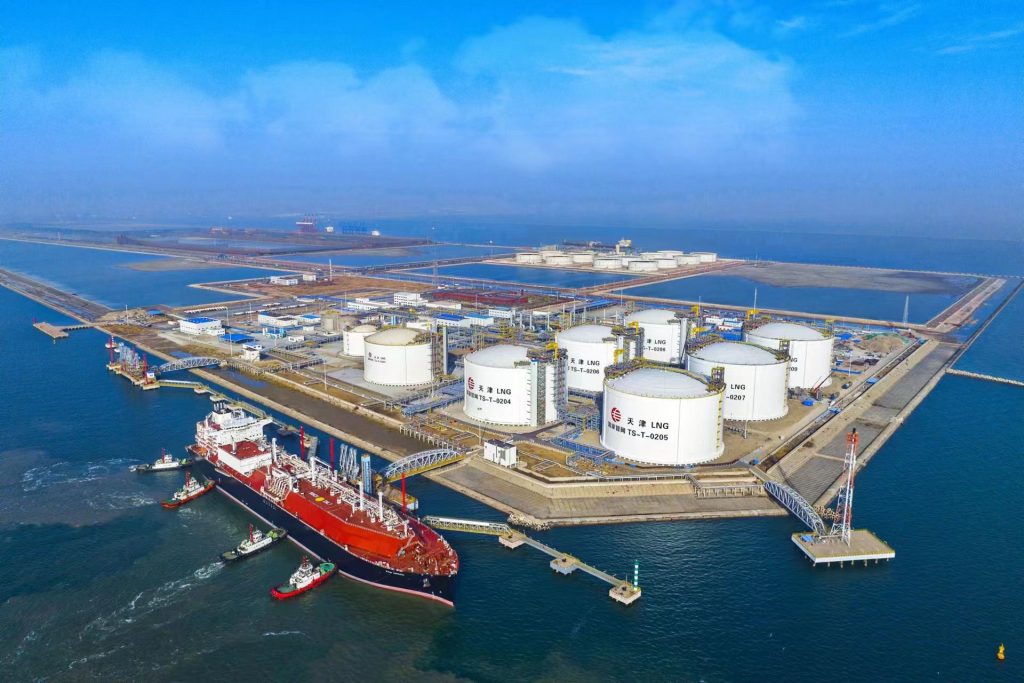
China was top destination for US LNG shipments in July

China, the world’s largest LNG importer, was the top destination for US liquefied natural gas cargoes in July, according to the Department of Energy’s LNG monthly report. The DOE report shows that US terminals shipped 33.4 Bcf of LNG to China in July, 28.3 Bcf to India, 26.8 Bcf to Japan, 24.3 Bcf to Egypt, and…

LNG Prime Annual Subscription Membership Required

You must be a LNG Prime Annual Subscription member to access this content.

Join Now

Already a member? Log in here

Most Popular

Financing secured for Manzanillo LNG-to-power project

Manzanillo Gas & Power has secured financing for its Manzanillo LNG-to-power project in the Dominican Republic, which includes a floating storage and regasification unit (FSRU).

ALNG expects to enter LNG trading by year-end

Norway’s ALNG, the owner of two TFDE LNG vessels, expects to enter LNG trading with its first transaction by the end of this year, according to interim CEO Jens-Julius Ramdahl Nygaard.

ExxonMobil dishes out $1.1 billion in Rovuma LNG contracts

US energy giant ExxonMobil and its partners in the planned Rovuma LNG project in Mozambique have awarded $1.1 billion in pre-investment contracts for long-lead upstream equipment.

More News Like This

CNOOC’s Binhai LNG terminal hits new milestone

China National Offshore Oil Company (CNOOC) has reached a new milestone at its giant Binhai liquefied natural gas (LNG) import terminal in Jiangsu.

China’s LNG imports up 2.4 percent in July

China, the world’s largest importer of liquefied natural gas, reported a 2.4 percent year-on-year increase in LNG imports in July.

Atlantic spot LNG rates drop to $40,000 per day

Atlantic spot LNG shipping rates continued to decrease this week, dropping to $40,000 per day, the lowest since the start of the Middle East conflict, according to Spark Commodities.

US weekly LNG exports climb to 36 cargoes

US liquefied natural gas (LNG) plants sent 36 cargoes during the week ending August 12, up five cargoes from the week before, according to the Energy Information Administration.