
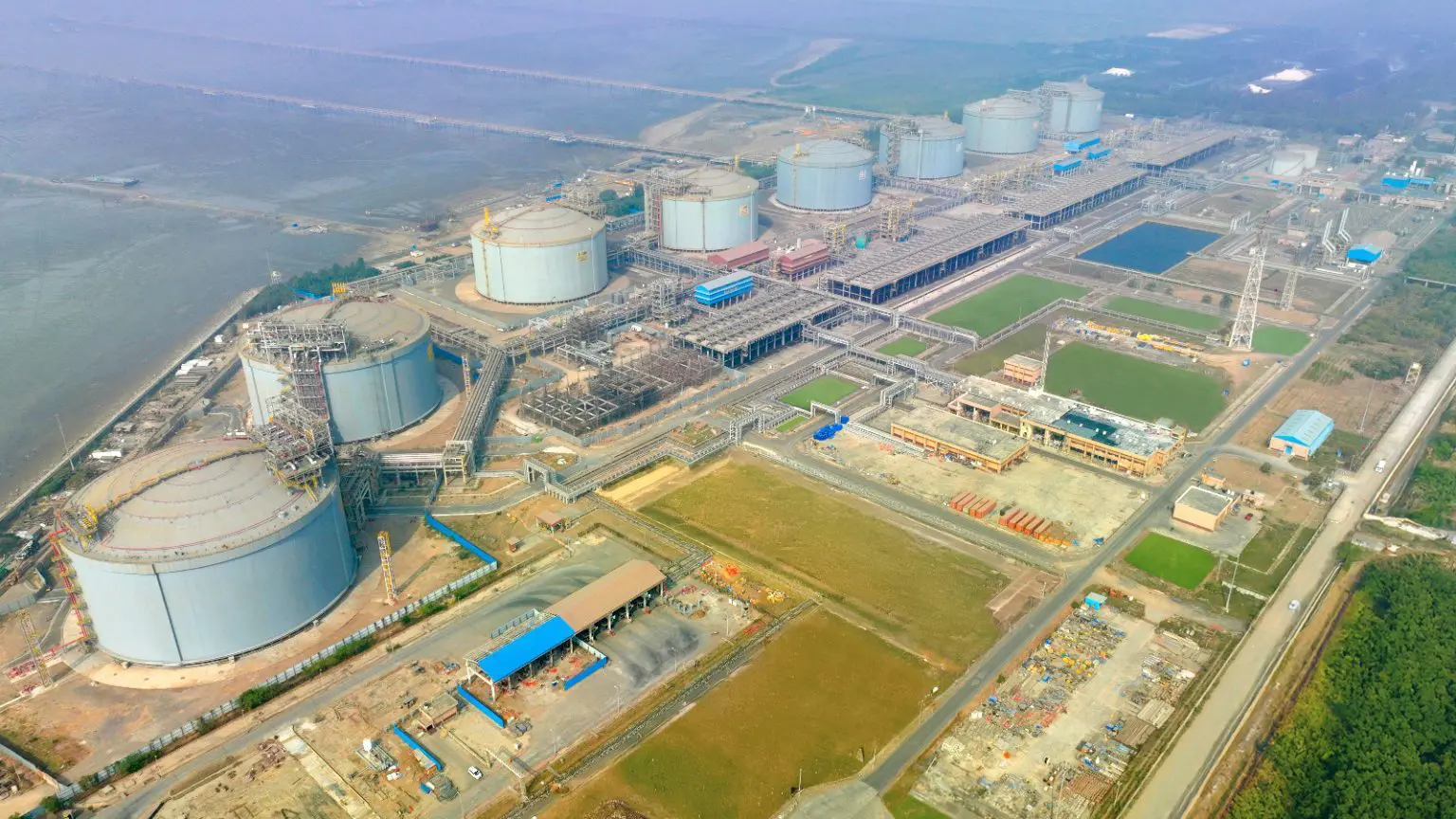
India boosts June LNG imports

India’s liquefied natural gas (LNG) imports rose by 26.1 percent year-on-year in June, preliminary data from the oil ministry’s Petroleum Planning and Analysis Cell shows.

Keep reading with LNG Prime

Daily news on LNG shipping, terminals, contracts, and projects worldwide, trusted by industry professionals.

  • Unlimited access to all articles
  • Exclusive news
  • Archive of 12,600+ articles
  • Read on desktop and mobile
$495/ year
About $1.36 a day

Subscribe now

Annual plan · Cancel anytime · Secure checkout

Most Popular

NFE expects to resolve Puerto Rico LNG supply dispute after Altamira LNG returns to service

US LNG player New Fortress Energy said Monday that it continues to discuss LNG supply disruptions with Puerto Rico and believes the issue will be resolved after its Fast LNG (FLNG) project off Mexico’s Altamira returns to service.

Germany’s DET launches Stade FSRU ops

Germany’s LNG import terminal operator DET has officially launched operations at its FSRU-based LNG import facility in Stade.

Woodside seals LNG supply deal with Trafigura

Australian LNG player Woodside has signed an LNG sales and supply agreement with commodity trader Trafigura.

More News Like This

India’s Petronet LNG logs higher profit, volumes

India’s largest LNG importer Petronet LNG, the operator of the Dahej and Kochi regasification terminals, reported higher quarterly profit and volumes.

Petronet LNG inks binding deal to create CBG JV

India’s largest liquefied natural gas importer, Petronet LNG, has signed a binding agreement to form a 50/50 joint venture with compatriot Gruner Renewable Energy to establish 10 compressed biogas (CBG) plants in India.

India’s LNG imports drop in September

India’s liquefied natural gas (LNG) imports decreased 8.5 percent in September from the same month last year, according to preliminary data from the oil ministry’s Petroleum Planning and Analysis Cell.

Wood Mackenzie: South Asia LNG demand growth derailed due to Middle East conflict

South Asian LNG markets have absorbed one of the most severe supply shocks in the history of the global gas trade, as the war in the Middle East and the closure of the Strait of Hormuz cut off Qatari and UAE LNG flows to a region that had made itself critically dependent on them, according to a new report by UK-based Wood Mackenzie.