This story requires a subscription
This includes a single user license.
During a meeting on Tuesday, the country’s cabinet approved the draft consent document to renew the memorandum of cooperation on upstream LNG investment and LNG storage tank initiatives, according to a statement from the government’s public relations department.
The Minister of Energy, or a designated representative, is authorized to sign the document at the Indo-Pacific Energy Security Ministerial and Business Forum in Tokyo on March 14–15, the statement said.
This agreement extends the current cooperation for three more years, ensuring continuity of LNG projects that are essential to stabilizing the energy infrastructure of both countries, it said.
“The Thai government is committed to strengthening energy security by expanding partnerships with key strategic allies. This approach aims to reduce the impact of global energy market volatility and enhance long-term national energy resilience,” the statement said.
Last week, Thailand’s Energy Regulatory Commission approved the purchase of three spot LNG cargoes for delivery in March and April to safeguard electricity system stability amid Middle East tensions.
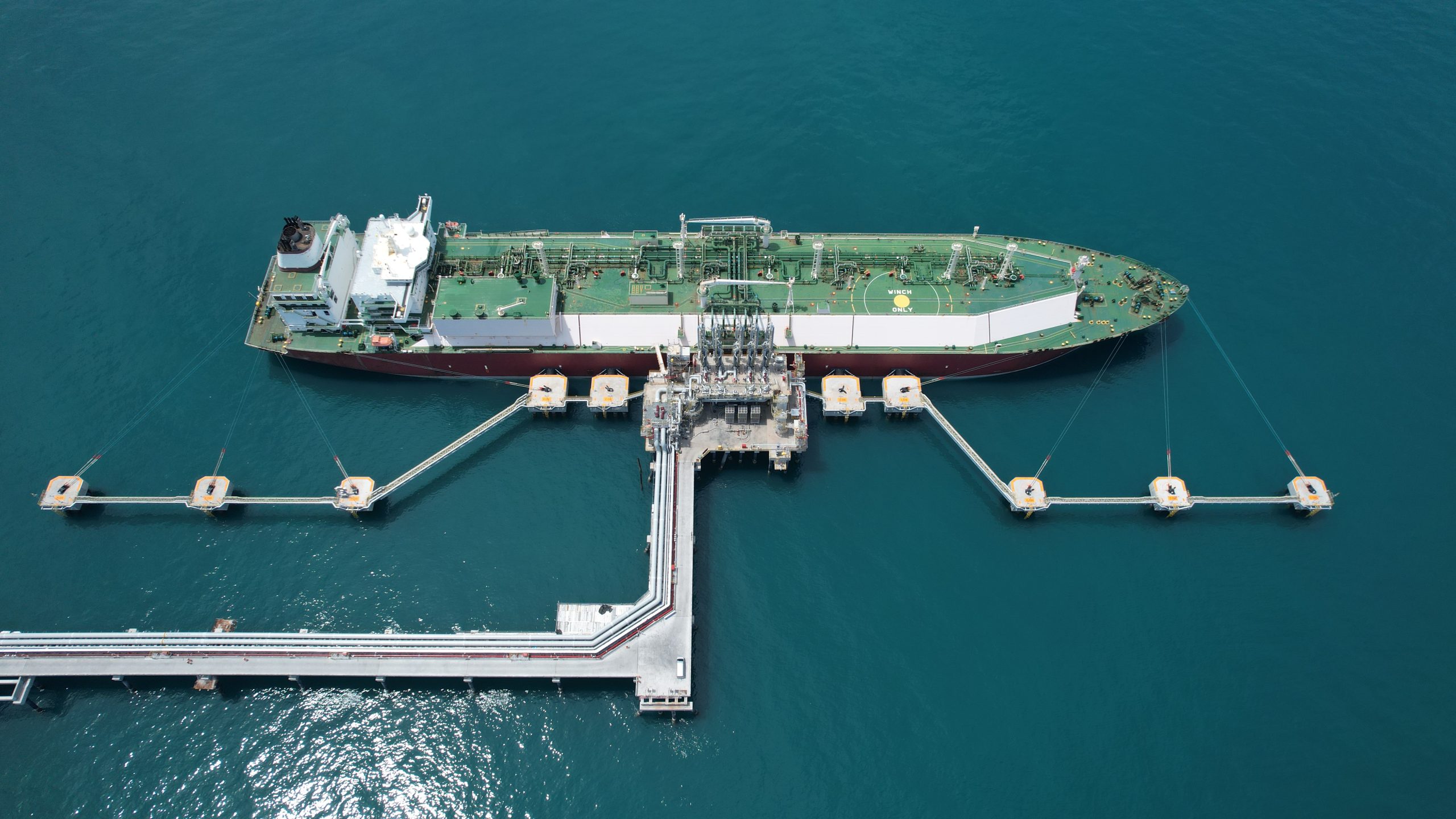
Thailand currently imports LNG via two import terminals operated by PTT.
These terminals include the first Map Ta Put LNG terminal (LMPT 1) with a capacity of 11.5 mtpa and the second Map Ta Phut LMPT2 LNG terminal, also known as the Nong Fab LNG terminal, with a capacity of 7.5 mtpa.
Thailand’s Gulf and PTT Tank Terminal, a unit of PTT, also expect to launch commercial operations at their LNG terminal in Map Ta Phut, Thailand’s third such facility, in the first quarter of 2029.
The country receives LNG from various sources, including Qatar and the US.
LNG prices and ship charter rates skyrocketed after QatarEnergy stopped producing LNG at its giant Ras Laffan complex on March 2.
QatarEnergy declared force majeure to its affected LNG buyers on March 4.