A unit of US energy firm Chevron said it would buy carbon offsets and invest in lower carbon projects after it failed to meet emission targets at its giant Gorgon LNG project in Australia.
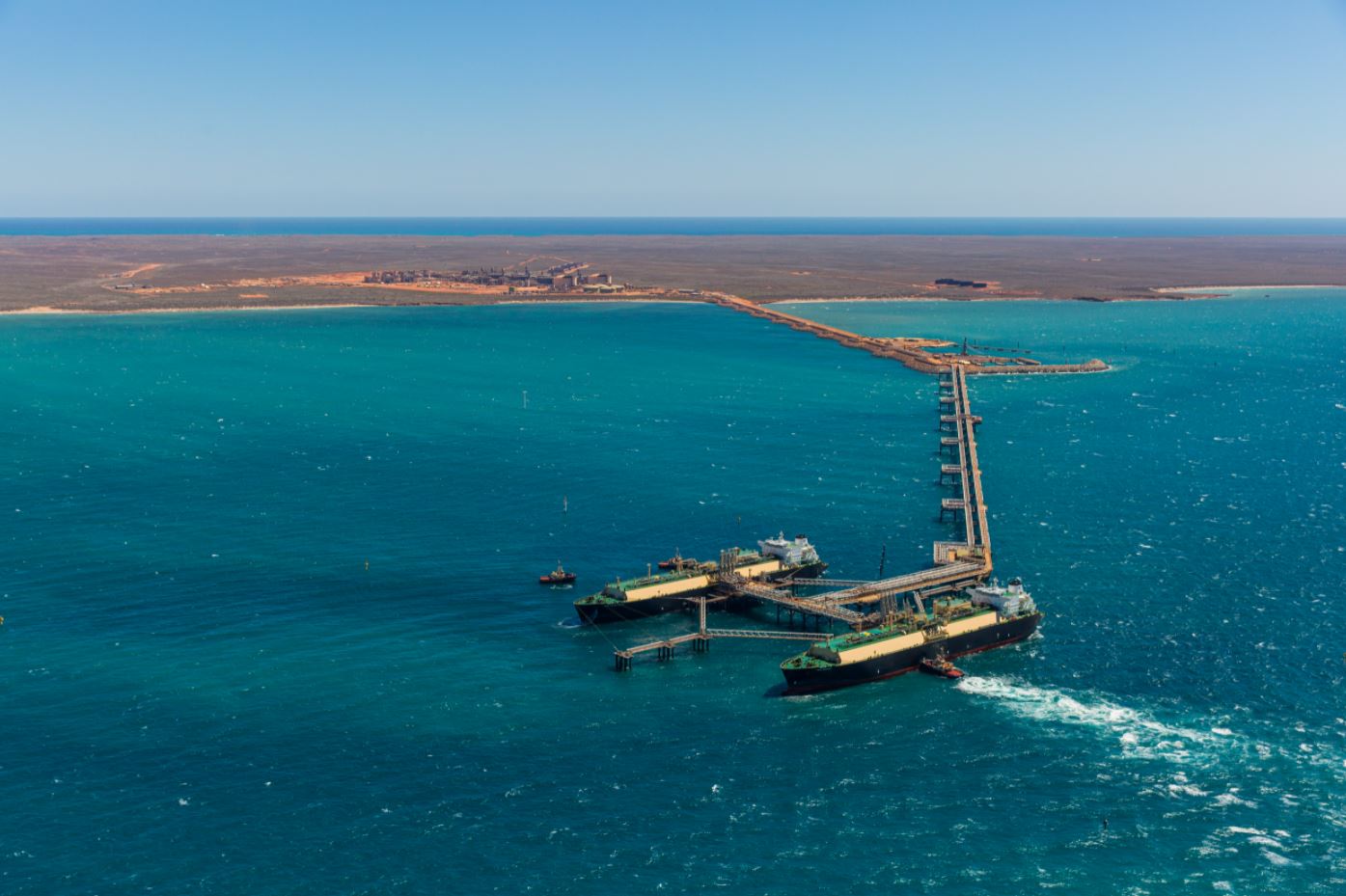
Chevron Australia launched “the world’s largest” carbon capture and storage (CCS) system at the 15.6 mtpa LNG facility on Barrow Island in August 2019.
The facility has a capacity to capture 4 million tonnes of CO2 per year. However, Chevron said in July that it has injected five million tonnes of greenhouse gas since the start, failing to meet the target.
According to a statement by Chevron Australia, it plans to invest A$40 million ($29 million) in Western Australian “lower carbon projects.”
The investment is part of an offsets package Chevron would implement to address a carbon dioxide injection shortfall at the Gorgon natural gas facility over the five-year period ending July 17, it said.
Also, the package would also see Chevron fulfill its regulatory obligations through the acquisition and surrender of 5.23 million greenhouse gas offsets, it said.
5.5 million tonnes of GHG emissions
Chevron Australia managing director Mark Hatfield said Chevron “is proud of the significant emissions reductions being achieved by the Gorgon carbon capture and storage system, despite its early challenges.”
“Since starting up in August 2019, the Gorgon carbon capture and storage system has safely injected approximately 5.5 million tonnes of greenhouse gas emissions and is demonstrating the importance of CCS technology in advancing a lower carbon future,” he said.
“We take our regulatory obligations seriously. The package we have announced will see us make good on our commitment to offset the injection shortfall, and ensures we meet the expectations of the regulator, the community and those we place on ourselves as a leading energy producer in Australia,” Hatfield said.
The Gorgon development is one of the world’s largest natural gas projects with a price tag of about $54 billion.
The plant liquefies gas coming from two offshore fields – Gorgon and Jansz-Io.
Moreover, the first LNG cargo departed Barrow Island in March 2016 followed by gas supply to the domestic market in December.
Chevron Australia operates the project with a 47.3% share while ExxonMobil and Shell have a 25% stake, each.
Japan’s Osaka Gas, Tokyo Gas but also JERA own the remaining stakes in Gorgon.