
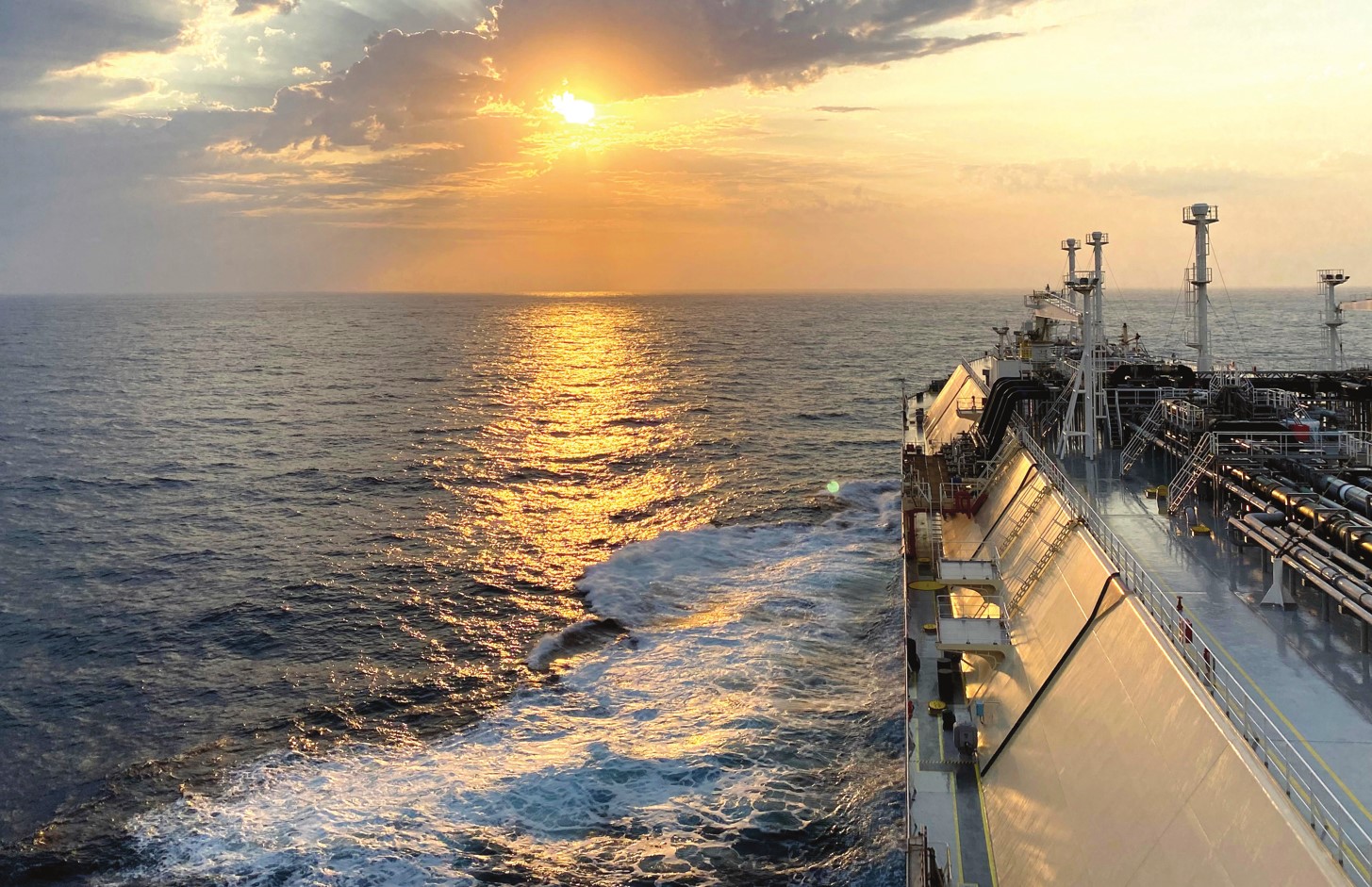
LNG carrier operator CoolCo has entered into a 14-year charter deal with India’s largest gas utility GAIL for one of the company’s two newbuild LNG carriers currently under construction in South Korea.
CoolCo will deliver the newbuild to state-owned GAIL in the Gulf of Mexico, with the time charter starting in early 2025.
According to CoolCo, the newbuild’s time charter is intended to secure the long-term supply of LNG into the fast-growing Indian market, with GAIL having the option to extend the charter by two additional years beyond the firm 14-year period.
The time charter increases CoolCo’s firm revenue backlog to more than $1.2 billion and total revenue backlog including extensions to almost $1.9 billion as of March 31, 2024, it said.
CoolCo purchased these two LNG carriers from its largest shareholder Eastern Pacific Shipping.
The shipping firm exercised its option with affiliates of EPS Ventures in June 2023 to acquire newbuild contracts for the two 2-stroke LNG carriers scheduled to deliver in the fourth quarter of 2024.
South Korea’s Hyundai Samho is building these 174,000-cbm ME-GA vessels and they feature GTT’s Mark III Flex membrane cargo tank system, reliquification, air-lubrication, and shaft generators.
CoolCo will pay $234 million for each of the LNG carriers.
The shipping firm said in its fourth-quarter report it continued to hold talks with “multiple potential charterers” seeking employment for the two newbuilds. CoolCo provided a similar update in its previous quarterly report.
Besides these two newbuilds, CoolCo has seven TFDE LNG carriers it acquired from Golar LNG and the four LNG carriers it purchased from EPS. It also manages vessels owned by other companies.
On the other hand, GAIL owns and operates a network of over 16,000 km of natural gas pipelines in India.
It holds a stake in India’s largest LNG importer, Petronet LNG, and the company buys volumes under long-term LNG deals, including from the US and Qatar.
GAIL charters LNG carriers to ship these volumes and currently has 4 vessels in its fleet. It also operates the 5 mtpa Dabhol LNG terminal in India.
Earlier this year, the firm signed a long-term deal to buy 0.5 mtpa of LNG for ten years from a unit of UAE’s energy giant Adnoc.
Prior to this contract, GAIL signed a long-term deal to buy 1 mtpa of LNG for a period of 10 years from energy trader Vitol.