Germany’s SEFE seals Angola LNG supply deal

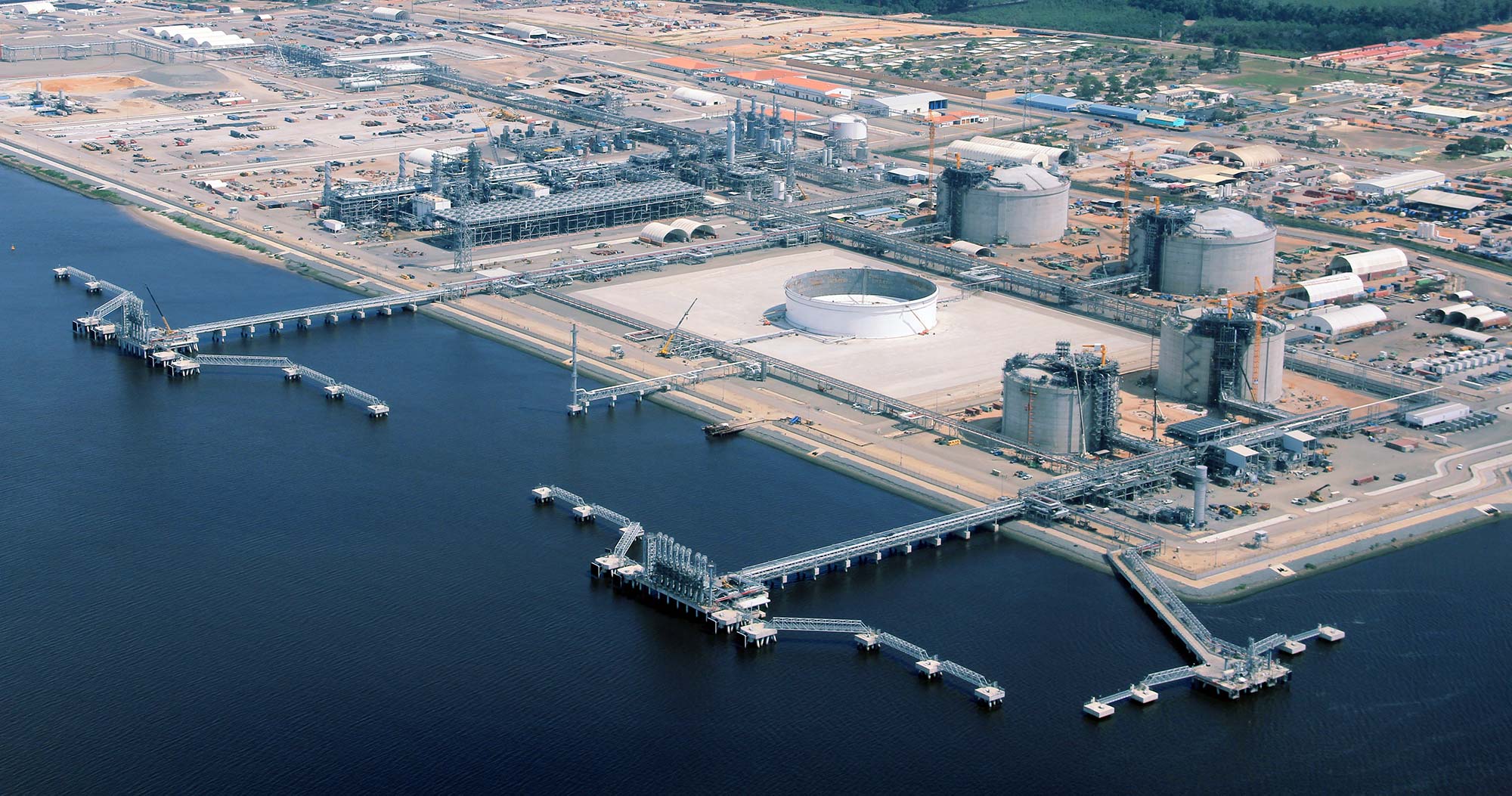
German gas importer Securing Energy for Europe (SEFE) has signed a deal with LNG producer Angola LNG to buy LNG cargoes from the latter for delivery in 2026.

This story requires a subscription

Get 12 months of full digital access to LNG Prime for only $295 instead of $600.
This includes a single user license.
Check our FAQ for more info. For group subscriptions please contact us.

Most Popular

Venture Global seeks FERC OK for CP2 LNG expansion

US LNG exporter Venture Global LNG has filed a new application with the US FERC seeking approval to add approximately 11.7 million metric tonnes per annum of capacity at its CP2 LNG project in Louisiana.

Yangzijiang charters its first LNG carrier

Chinese private shipyard Yangzijiang Shipbuilding has chartered its first 175,000-cbm liquefied natural gas (LNG) carrier to capitalize on opportunities arising from the volatile market

Knutsen working on nuclear-powered LNG tanker

Norwegian owner Knutsen is exploring the possibility of retrofitting a small nuclear reactor on its steam liquefied natural gas (LNG) carrier.

More News Like This

Finance chief to leave SEFE in September

German gas and LNG importer Securing Energy for Europe (SEFE) said that it chief financila officer Christian Ohlms will leave the company effective September 30, 2026.

SEFE inks preliminary Ksi Lisims LNG deal

German gas and LNG importer Securing Energy for Europe (SEFE) has signed a preliminary deal with Ksi Lisims LNG to buy LNG from the latter's planned export project in Canada.

Germany’s SEFE pays back $348 million in state aid

German gas and LNG importer Securing Energy for Europe (SEFE) has paid almost 300 million euros ($348 million) in state aid back to the German government, bringing total repayments to the German state since 2024 to nearly one billion euros.

Germany’s SEFE inks $2.36 billion credit facility

German gas importer Securing Energy for Europe (SEFE) has signed a five-year revolving credit facility worth two billion euros ($2.36 billion), replacing state-backed liquidity support.