
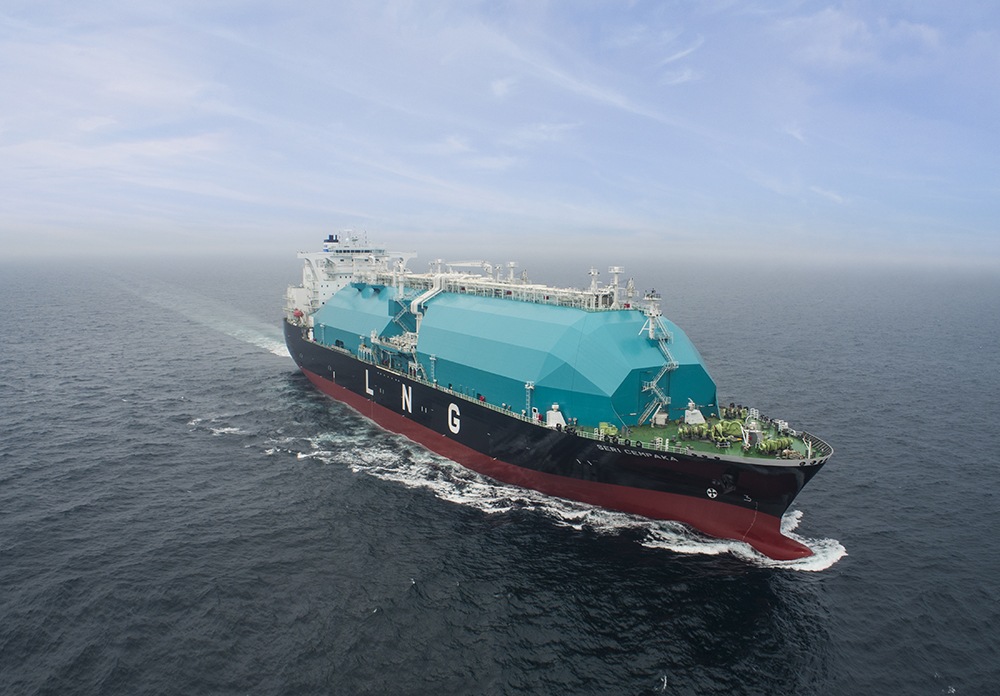
Malaysia’s MISC, a unit of Petronas, said its LNG business logged a rise in both revenue and operating profit in the April-June period of this year.
The shipping firm said its gas assets and solution business, which includes a fleet of LNG and ethane carriers, posted a revenue of 762.5 million ringgit ($170.4 million) and an operating profit of 330 million ringgit ($73.7 million) in the second quarter of this year.
Revenue rose 10.4 percent year-on-year due to higher earning days following lower dry-docking activities during the quarter, while operating profit increased 12.4 percent when compared to the same period last year, MISC said.
MISC is one of the largest operators of LNG carriers and most of them are on long-term charters. It operates a fleet of 30 LNG carriers and two floating storage units.
LNG carrier impairment
Looking at the overall quarterly results, MISC reported a loss before tax of 0.4 million ringgit, compared to a profit before tax of 534.7 million ringgit in the corresponding quarter.
MISC attributed this mainly due to impairment of ships, higher finance costs from
borrowings, and lower share of profit from joint ventures in the current quarter.
Group revenue rose by 36.5 percent to 3.21 billion ringgit, while operating profit dropped by 26.5 percent to 460.9 million ringgit.
MISC’s CEO Yee Yang Chien said the overall financial performance for the period had been “negatively impacted by accounting impairment of some of our older LNG carriers as well as adjustments made to the finance lease accounting for our ongoing Mero 3 FPSO project that is presently under execution.”
Spot LNG rates continue to soar
MISC said spot LNG charter rates continued to soar since the last quarter due to higher demand for LNG cargoes especially from the European region, as well as expected restocking of gas for the coming winter in UK, Asia and Europe.
In the near term, prospects remain positive due to strong global demand for LNG especially from Europe as a result of the push towards energy security, and accelerated investment in liquefaction infrastructure is expected to further support LNG supply growth, the firm said.
In this environment, the company’s gas assets and solutions segment would “continue to pursue growth opportunities available while its operating income continues to remain sturdy, supported by its existing portfolio of long-term charters,” MISC added.