This story requires a subscription
This includes a single user license.
“With two vessels exposed to the spot market and Flex Aurora redelivered in March, we capitalized on tighter markets, securing a two-year contract for Flex Aurora and fixing Flex Volunteer and Flex Artemis on short-term contracts until the third quarter,” Foss said in the company’s first-quarter results report on Wendesday.
Foss did not provide further details regarding the charter deals.
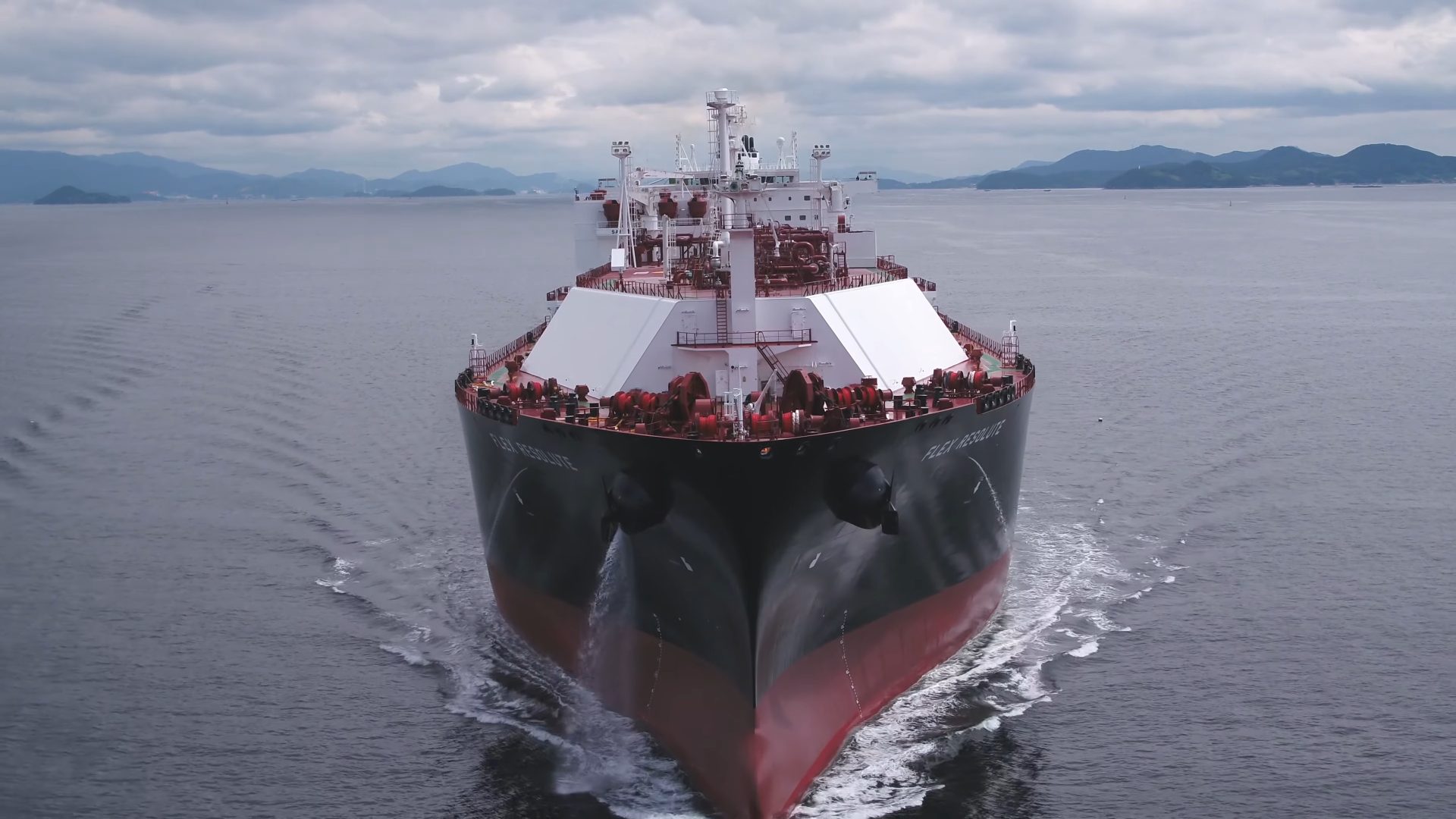
In addition to these charters, Flex secured two charter extensions from UK-based energy giant BP for the vessels Flex Resolute and Flex Courageous.
Flex reported average time charter equivalent (TCE) rate of $65,729 per day for the first quarter, compared to $70,119 per day for the fourth quarter 2025.
The company reported net income of $19.5 million and basic earnings per share of $0.36 for the first quarter of 2026, compared to net income of $21.6 million and basic earnings per share of $0.40 for the fourth quarter of 2025.
Foss said results for the first quarter of 2026 “reflect the seasonal low period in the LNG shipping market, which bottomed out in mid-Q1, in line with historical patterns.”
“Our earnings were impacted by a soft spot environment and higher voyage expenses, including bunkers and gas-up/cool-down, related to the positioning of our open ships,” he said.
“However, the LNG shipping market reset dramatically following the outbreak of the war in Iran in late February. Spot rates surged from cyclical lows in February to more than $250,000 per day, as supply disruptions in Qatar and the closure of the Strait of Hormuz created severe dislocation in global LNG shipping markets,” Foss said.
Reflecting the stronger market environment and having covered 91 percent of the remaining days of 2026, Flex us increasing our full-year 2026 (FY2026) guidance.
“We now expect FY2026 revenues, excluding EUAs, in the range of $345–370 million, representing an increase of around 10 percent versus our February guidance. We further expect FY2026 fleet-wide TCE rate of $73–78,000 per day, an increase of approximately 8 percent, while adjusted Ebitdais now expected in the range of $255–280 million, up approximately 11 percent from our previous guidance range,” Foss said.