
This story requires a subscription
This includes a single user license.
According to DNV, LPG/ethane carriers, which accounted for 26 of the orders, primarily drove this activity.
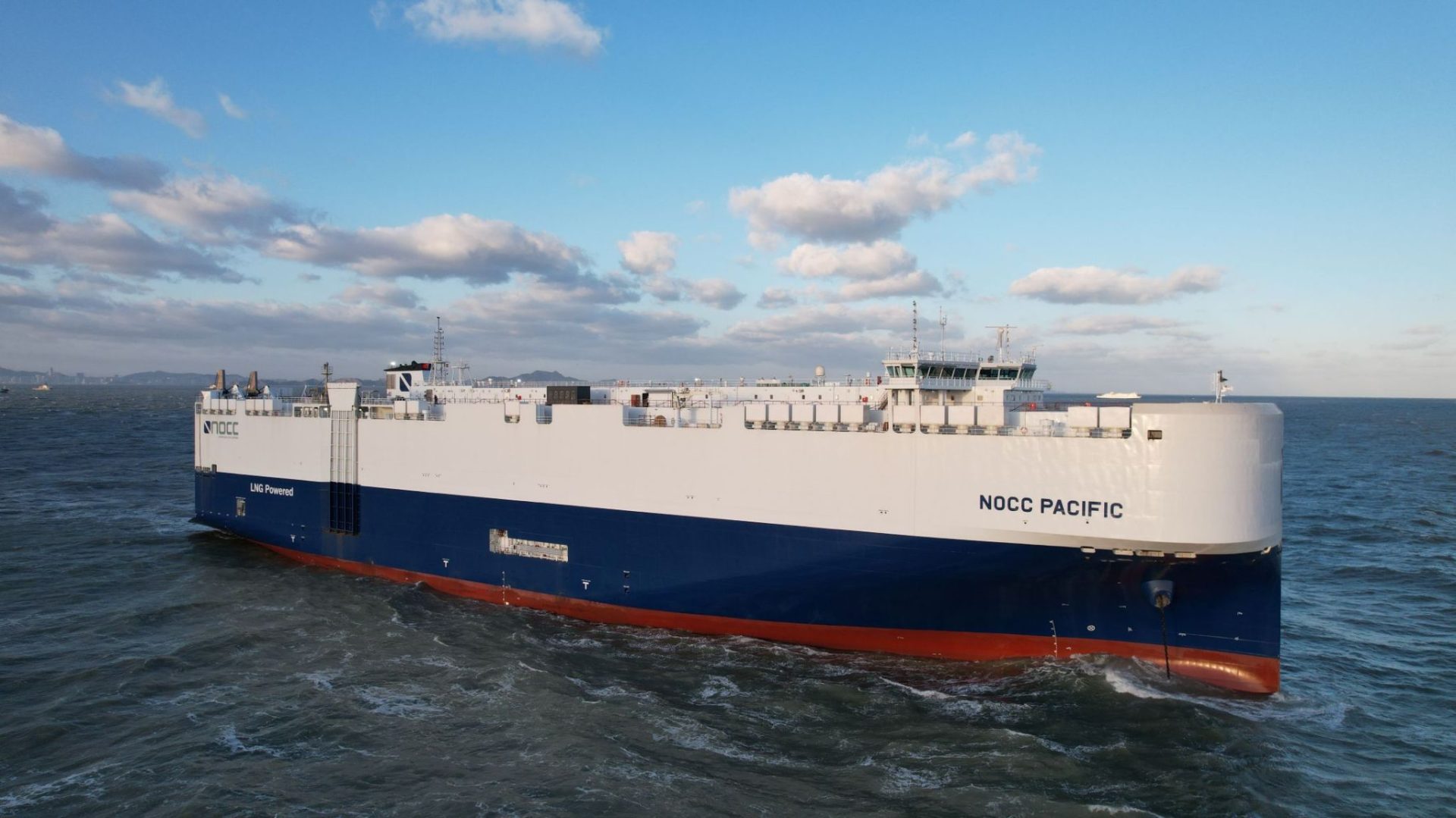
Out of the eight LNG-fuelled vessels, six were container vessels and two car carriers, while May order also included two ethanol-fueled bulk carriers.
So far in 2026, shipping firms placed a total of 119 orders for alternative-fueled vessels.
Of these, LNG-fueled vessels (60) account for the largest share of the orderbook, with the majority of these (42) coming from the container segment, and a smaller share (12) from car carriers, DNV said.
Shipping firms placed a further 50 orders for LPG/ethane carriers, while activity in other fuel types remains limited, with orders for methanol/ethanol (4), ammonia (4), and hydrogen (1), it said.
By the end of May, the share of alternative-fuelled vessels in total tonnage was notably lower than over the same period in 2025, DNV noted.
Focus moved towards smaller vessels
“While the pace of alternative-fueled contracting has varied compared to 2025, the industry continues to move forward in its transition, with owners advancing fuel and technology decisions against a backdrop of evolving regulatory and market conditions,” Jason Stefanatos, global decarbonization director at DNV Maritime, said.
“As in previous years, ordering of alternative-fueled vessels has been led by the container segment, but dynamics are shifting. While activity remains strong, the focus has moved towards smaller vessels, with fewer very large container ships, which are historically more likely to adopt alternative fuels, being ordered. At the same time, we are seeing increased activity in tanker and bulker segments,” he said.
“What is also becoming clearer is that fuel choice is no longer approached as a single bet. Owners are increasingly treating it as a portfolio decision, managing fuel optionality, timing of investment, and exposure to future regulation as they navigate long-life asset decisions,” Stefanatos said.
He added that this is reflected in “more varied ordering patterns, reinforcing that the transition is not progressing in a straight line.”
892 LNG-powered ships in operation
DNV’s Alternative Fuels Insight (AFI) platform shows that there are now 892 LNG-powered ships in operation and 663 LNG-fueled vessels on order.
Moreover, 240 LNG-powered containerships and 140LNG-powered car carriers are in operation, followed by 91 oil/chemical tankers, and 84 crude carriers.
As per vessels on order, LNG-powered containerships account for a big part of the orders with 414 units. Shipping firms also ordered 97 car carriers, 48 crude oil tankers, and 36 cruise ships.
These statistics do not include smaller inland vessels or dual-fuel LNG carriers.
In addition to 1555 confirmed LNG-powered ships, the fleet powered by alternative fuels includes 450 methanol-fueled vessels, 420 LPG-powered ships, 50 ammonia-fueled vessels, and 37 hydrogen-fueled vessels.