
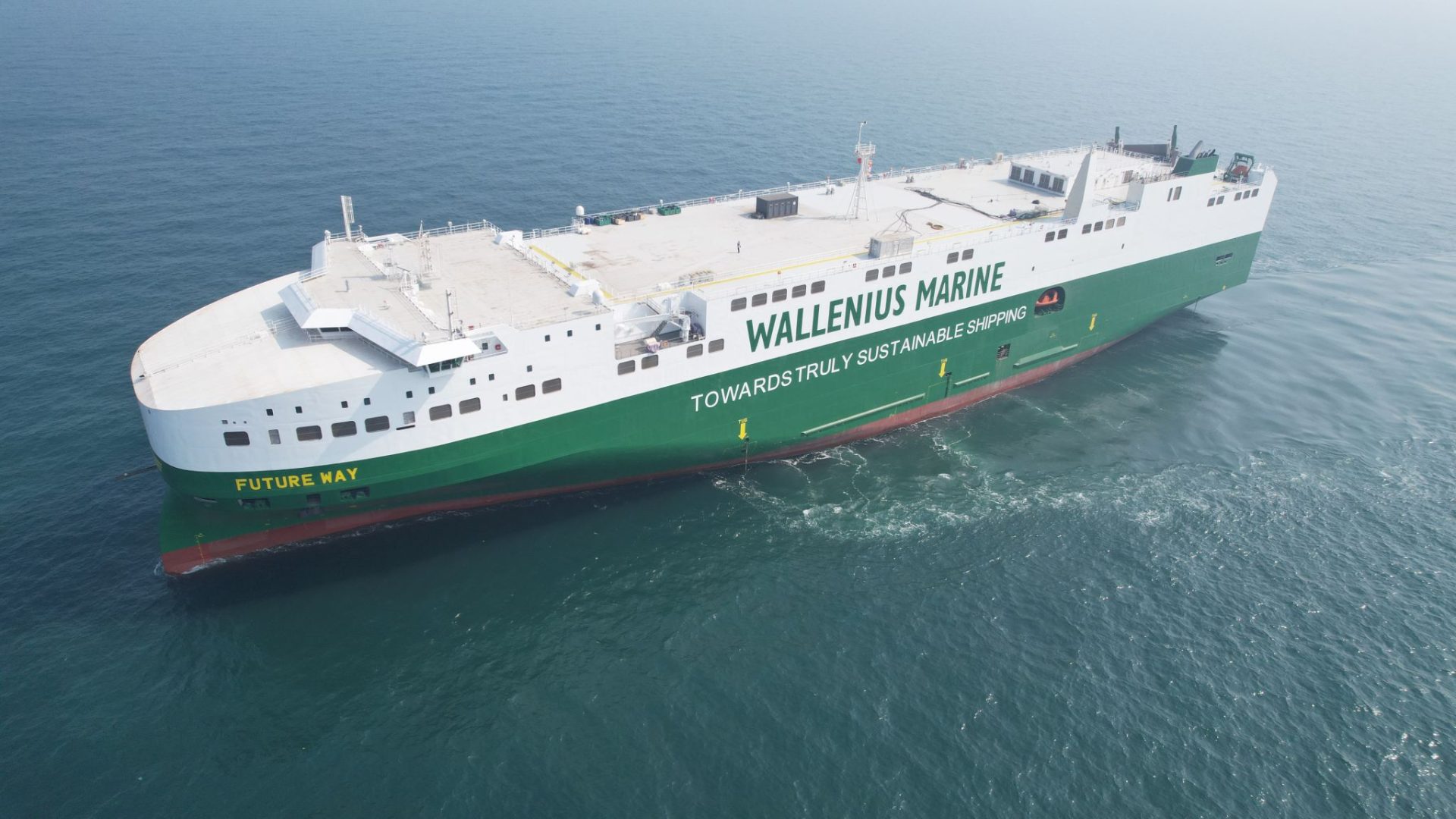
Classification society DNV has added seven LNG-powered ships to its Alternative Fuels Insight platform in April. There were 12 orders for methanol-powered vessels and four for ammonia-fueled ships.
DNV previously reported orders for one LNG-powered ship in March, 17 LNG-powered ships in February, 10 LNG-powered ships in January, and 130 LNG-powered vessels in 2023.
In January-April, DNV added 35 LNG-powered vessels to its platform.
A total of 93 new orders have been added to the AFI database in the first four months of 2024, representing a growth of 48 percent compared to the first four months of 2023.
“With the slow activity of March now behind us, these numbers for April confirm an increasing shift in the new order market towards alternative fueled vessels, with a notable surge in new orders from the tanker segment,” Jason Stefanatos, DNV Maritime’s global decarbonization director, said.
He said methanol continues to have the highest number of orders so far in 2024, with new orders totaling 47 – a 42 percent increase compared to the same period in 2023.
“It is also notable that four new orders have been placed for ammonia fueled vessels, on top of the five ordered in the first quarter of 2024. Although we still have a long way to go before a maritime eco-system for ammonia is fully developed, this provides more evidence that investment in these vessels is on the rise,” Stefanatos said.
535 LNG-powered ships in operation
There are now 535 LNG-powered ships in operation and 509 LNG-fueled vessels on order, DNV’s platform shows.
Moreover, there are 93 LNG-powered containerships and 78 LNG-powered crude oil tankers in operation, and these vessels are followed by 59 oil/chemical tankers, and 53 bulk carriers.
As per vessels on order, LNG-powered containerships account for a big part of the orders with 181 units. Shipping firms also ordered 150 car carriers, 51 oil and chemical tankers, 38 crude oil tankers, and 24 cruise ships.
These statistics do not include smaller inland vessels or dual-fuel LNG carriers.
56 LNG bunkering vessels and 232 LPG-powered ships
Besides LNG-powered vessels, there are 56 LNG bunkering vessels in operation and 14 on order, the platform shows.
In addition to 1044 confirmed LNG-powered ships, the fleet powered by alternative fuels also includes 281 methanol-fueled vessels, 232 LPG-powered ships, 30 hydrogen-fueled vessels, and 20 ammonia-fueled vessels, according to the platform.