
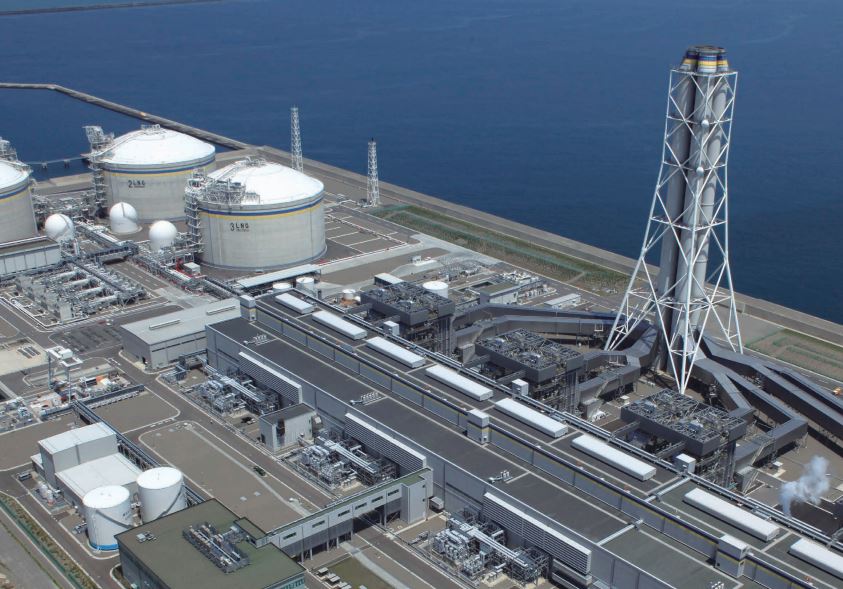
Japan, the world’s top liquefied natural gas importer, reported lower LNG imports in March when compared to the same month last year.
According to the provisional data released by the country’s Ministry of Finance, Japan’s LNG imports dropped by 12 percent year-on-year in March to about 5.72 million tonnes.
LNG imports also dropped when compared to 6.40 million tonnes in the previous month, which also marked a drop when compared to the previous year.
During the fiscal year ending in March 2023, Japan’s LNG imports dropped 1.3 percent to 70.5 million tonnes, the data shows.
Japan’s coal imports for power generation also decreased in March when compared to the last year.
Coal imports were down by 19.9 percent to 8.50 million tonnes, and Japan paid about $2.79 billion for these imports, a rise of 44.4 percent when compared to the last year, the data shows.
LNG import bill up
According to the preliminary data, the March LNG import bill of about $4.43 billion increased by 4.5 percent when compared to the same month last year.
During the fiscal ending March 2023, the bill rose 77.6 percent to some $66 billion.
State-run Japan Oil, Gas and Metals National Corp (JOGMEC) did not publish both the contract-based and the arrival-based spot LNG price in January, February, and March as there were less than two companies that imported spot LNG.
The average price of spot LNG cargoes for delivery to Japan contracted in December was $30.8 per mmBtu.
However, spot LNG prices dropped considerably this year.
The JKM LNG price for June settled at $12.245 per mmBtu on Wednesday.
LNG deliveries
As per LNG shipments going to Japan in March, deliveries from Asia from countries such as Malaysia and Indonesia decreased by just 0.2 percent to 1.60 million tonnes, the ministry’s data shows.
Middle East LNG shipments from countries such Qatar dropped by 24.1 percent to 660,000 tonnes.
Moreover, shipments from Russia decreased by 40.2 percent to 425,000 tonnes, while US deliveries rose by 40.9 percent to 268,000 tonnes.
World’s largest LNG importer
Japan was the world’s top LNG importer in 2022, overtaking China, but both of the countries took fewer volumes when compared to the year before.
During January-March, Japan imported 18.94 million tonnes of LNG, while China imported 16.43 million tonnes of LNG during the first quarter of this year.
This means that Japan imported some 2.51 million tonnes of LNG more than China during the first three months of this year.