This story requires a subscription
This includes a single user license.
The ministry first said in a social media post that “an internal explosion occurred at a factory in Ras Laffan Industrial City due to a technical incident.”
After that, the ministry said in an update that the “incident was caused by a technical malfunction during operations at a factory in Ras Laffan Industrial City.”
“A number of injuries were reported, with no leaks posing a threat to public safety,” it said.
“The competent authorities are continuing to respond to the incident,” the ministry added.
The ministry did not say which Ras Laffan facilities were affected.
Barzan gas plant
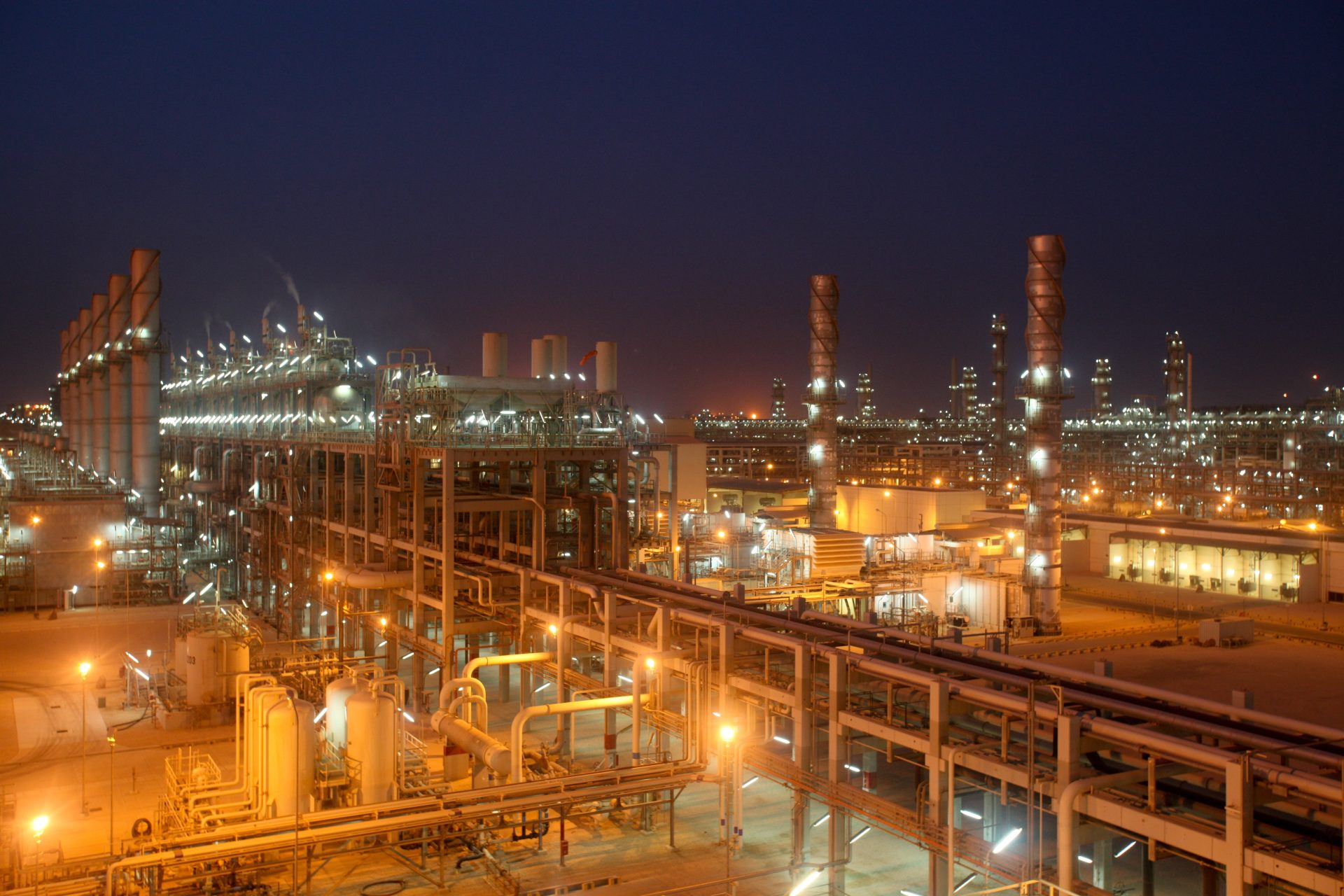
“QatarEnergy confirms that there was an operational incident during the start-up of operations at Ras Laffan Industrial City which resulted in an explosion and fire at the Barzan local gas supply facility in the evening hours of Sunday,” the company said in a statement.
“Emergency response teams were deployed immediately to contain the fire, which is now under control,” it said.
“QatarEnergy will continue to communicate the latest available information,” the company added.
Commissioned in 2022, the Barzan facility supplies pipeline gas to local industries and Qatar’s power generation sector.
It also supplies associated hydrocarbon products to local refineries and petrochemical industries and international markets, according to QatarEnergy LNG’s website.
The facility can provide 1.4 BSCFD of sales gas to local power generation and water desalination plants as well as local industries.
In addition, Barzan has the production capacity to supply ethane, condensate, LPG, and sulfur for local markets and export.
Ras Laffan LNG production
State-owned QatarEnergy stopped producing LNG at its giant Ras Laffan complex on March 2 due to military attacks on its operating facilities, with Qatar’s Ministry of Defense saying that “Qatar was attacked by two drones launched from the Republic of Iran.”
The LNG producer declared force majeure to its affected LNG buyers on March 4.
After that, QatarEnergy said on March 19 that its facilities in Ras Laffan Industrial City were damaged following missile attacks.
According to QatarEnergy, the attacks damaged two LNG producing Trains 4 and 6 totaling 12.8 million tons per annum (MTPA) of production, representing approximately 17 percent of Qatar’s exports.
QatarEnergy previously said that it expects the damage to its Ras Laffan complex caused by missile strikes to cost about $20 billion a year in lost revenue and to take up to five years to repair, impacting supply to markets in Europe and Asia.
According to Kpler, a QatarEnergy LNG carrier recently returned to Ras Laffan and loaded more than 209,000 cbm of LNG, becoming the first known ballast vessel chartered by the firm to re-enter the Gulf for reloading since the conflict disrupted commercial shipping through the Strait of Hormuz.
The vessel in question is the 216,200-cbm Al Hamla.
This follows the signing of an initial agreement by the US and Iran to stop the conflict and reopen the Strait of Hormuz.
“The transit is being closely watched by traders and shipowners as an early indicator of improving confidence in the region’s most critical energy corridor,” Kpler said.
“The development follows signs of fleet repositioning by QatarEnergy and growing expectations that shipping movements through Hormuz could continue to normalize,” it said.
(Updated with a QatarEnergy statement.)