This story requires a subscription
This includes a single user license.
Saad Sherida Al-Kaabi, Qatar’s energy minister and CEO of QatarEnergy, provided an update in a statement on Thursday.
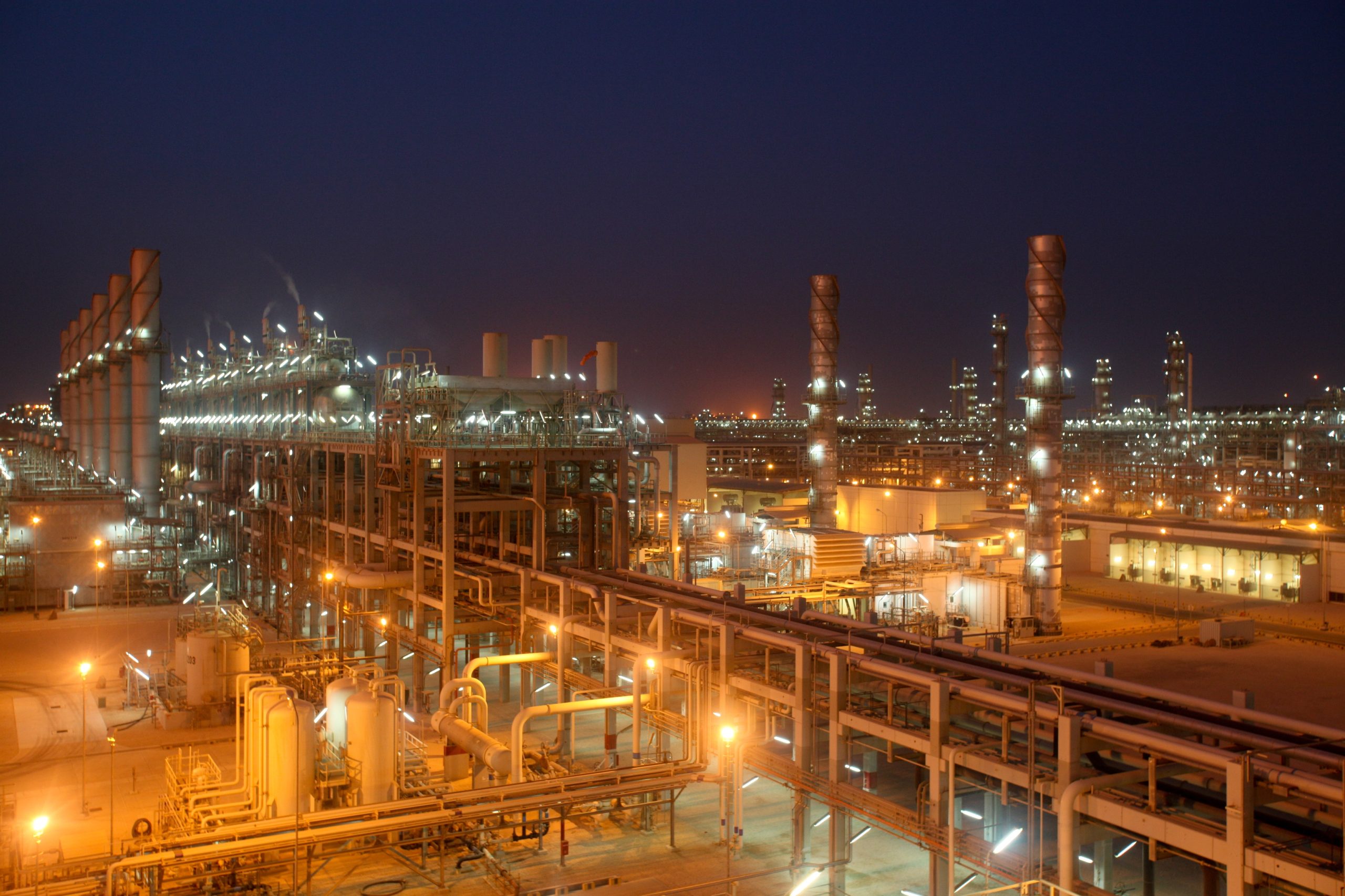
There were two Iranian missile strikes on QatarEnergy’s facilities in Ras Laffan Industrial City, one on Wednesday and the other early on Thursday.
According to QatarEnergy, the attacks damaged two liquefied natural gas (LNG) producing Trains 4 and 6 totaling 12.8 million tons per annum (MTPA) of production, representing approximately 17 percent of Qatar’s exports.
Train 4 is a joint venture between QatarEnergy (66 percent) and ExxonMobil (34 percent), while Train 6 is a joint venture between QatarEnergy (70 percent) and ExxonMobil (30 percent).
Force majeure on long-term contracts
“The damage sustained by the LNG facilities will take between three to five years to repair. The impact is on China, South Korea, Italy, and Belgium. This means that we will be compelled to declare force majeure for up to five years on some long-term LNG contracts,” Al-Kaabi said.
The attacks also targeted the Pearl GTL (Gas-to-Liquids) facility, a production sharing agreement operated by Shell, that converts natural gas into high-quality drop-in fuels and produces base oils used to make premium engine oils and lubricants, and paraffins and waxes.
“The damage caused to one of the two trains at Pearl GTL is being assessed and is expected to be offline for a minimum of one year,” Al-Kaabi said.
QatarEnergy noted in the statement that there will be a loss of associated product production due to this outage.
This includes 18.6 million barrels of condesates, which is around 24 percent of Qatar’s exports, 1.281 MT of LPG, which is around 13 percent of Qatar’s exports, 0.594 MT of Naphtha, which is around 6 percent of Qatar’s exports, 0.18 MT of Sulfur, which is around 6 percent of Qatar’s exports and 309.54 MCFA of Helium, which is around 14 percent of Qatar’s exports.
Expansion
QatarEnergy stopped producing LNG at its giant Ras Laffan complex on March 2 due to military attacks on its operating facilities.
The LNG producer declared force majeure to its affected LNG buyers on March 4.
LNG prices and shipping rates surged after these announcments with many countries such as Bangladesh and India opting to buy expensive spot LNG cargoes to secure needed supplies.
Qatar is one of the world’s largest LNG producers.
QatarEnergy is currently working on the giant North Field LNG expansion program, which includes the North Field South, North Field East, and North Field West projects.
Together, these will raise Qatar’s LNG production capacity in Ras Laffan from the current 77 mtpa to 142 mtpa in 2030.