This story requires a subscription
This includes a single user license.
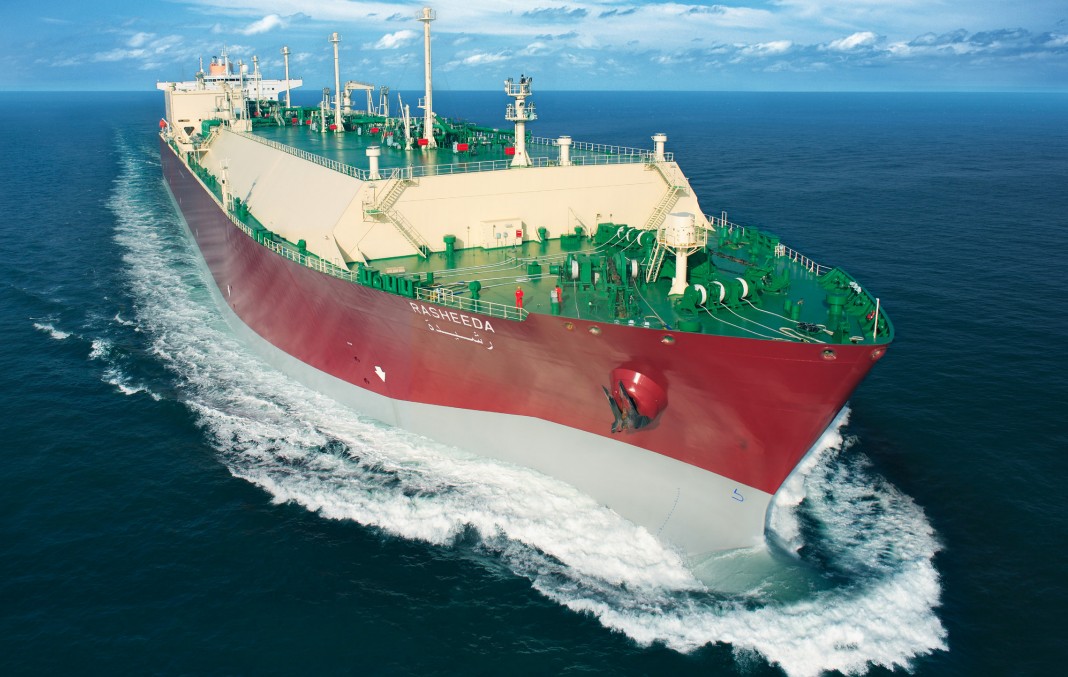
The two vessels are the 266,000-cbm Q-Max LNG carrier Rasheeda and the 151,800-cbm Al Daayen, their AIS data provided by VesselsValue shows.
The vessels were located near the Strait of Hormuz, heading east on Monday morning local time.
Al Daayen’s data shows China as the final destination.
The vessels were still located near the Strait of Hormuz on Monday afternoon local time, but they have not attempted to cross the Strait.
On Tuesday, the vessels were heading back to Qatar, according to their AIS data.
Built in 2010, Rasheeda is wholly-owned by Qatar’s Nakilat, while the 2007-built Al Daayen is 70 percent owned by Seapeak.
Both of the vessels are chartered by QatarEnergy LNG, a unit of QatarEnergy and the operator of the giant Ras Laffan LNG complex in Qatar.
Ras Laffan
QatarEnergy recently announced that it expects the damage to its Ras Laffan complex caused by missile strikes from Iran to cost about $20 billion a year in lost revenue and to take up to five years to repair, impacting supply to markets in Europe and Asia.
QatarEnergy stopped producing LNG at its giant Ras Laffan complex on March 2 due to military attacks on its operating facilities. The LNG producer declared force majeure to its affected LNG buyers on March 4.
Rasheeda and Al Daayen loaded cargoes at the Ras Laffan LNG facility at the end of February, prior to the start of Israel’s attacks on Iran on February 28.
If they passed the Strait, they would have been the first loaded LNG carriers to do so since the start of the conflict.
Last week, Sohar LNG, a 137,000-cbm steam turbine vessel owned by Asyad and MOL, passed through the Strait, marking the first LNG carrier transit Hormuz since the start of the conflict in late February, according to Fearnley LNG.
However, this vessel was not carrying a cargo.
Sohar LNG was located offshore Oman’s Muscat on Monday.
(Updated for the second time to say that the LNG carriers were heading back to Qatar on Tuesday.)