This story requires a subscription
This includes a single user license.
According to the port’s data, LNG bunkering volumes reached 76.513 tonnes in the second quarter.
This is a 13.4 percent decrease compared to 88,328 tonnes in the same period in 2025 and a 15 percent decrease compared to 90,038 tonnes in the first quarter of this year, which marked a new quarterly record, the data shows.
During the first half of this year, LNG bunkering volumes reached 166,551 tonnes, a 42.3 percent increase compared to 116,998 tonnes in the six-month period last year.
Port of Antwerp-Bruges previously reported record LNG volumes of 234,580 tonnes in 2025.
LNG can be bunkered in Antwerp and Zeebrugge, both via road tankers and bunker vessels.
The licensed LNG bunkering suppliers include Titan, Shell Western LNG, Molgas, Gasum, Bunker One (LNG), and Axegaz.
There are several barges and vessels working in the area.
LNG import
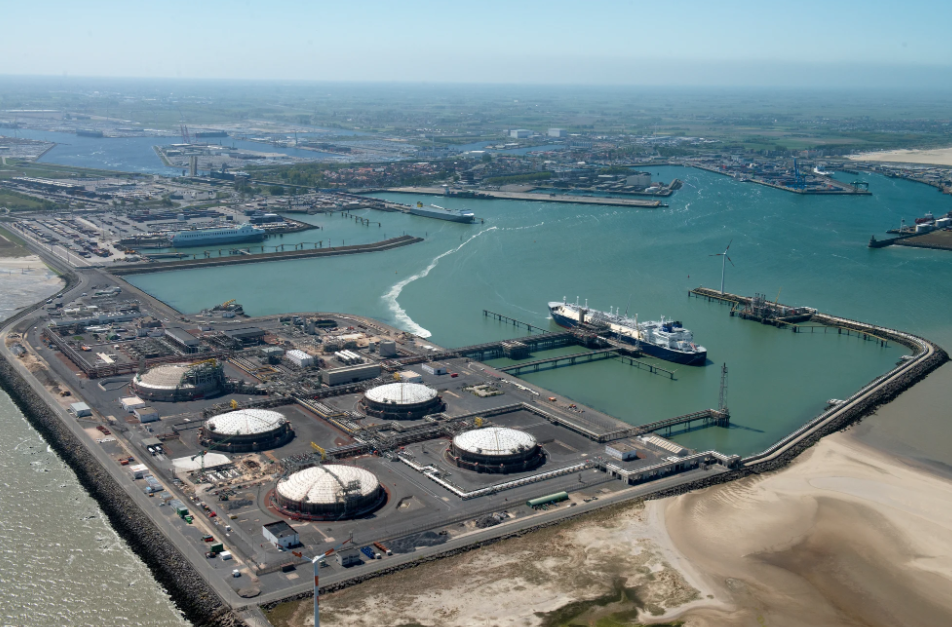
Port of Antwerp-Bruges also recently provided some LNG import data via the Fluxys-operated Zeebrugge LNG terminal.
The port said that the geopolitical developments in the Middle East had a clear impact on trade flows.
Total imports from the countries around the Persian Gulf were 57 percent lower in the first half of 2026 compared to the previous year.
The port said that energy flows were impacted above all.
Following the final LNG shipment from Qatar on March 23, shipments from the region came to a virtual standstill in April, and LNG shipments from Qatar fell by 66 percent, it said.
On the other hand, LNG imports from Russia rose by 12.5 percent ahead of the European import ban, which will come into force in 2027, the port said.
The port said that total LNG throughput rose 1.3 percent year-on-year in the first half, but it did not provide the volumes.