
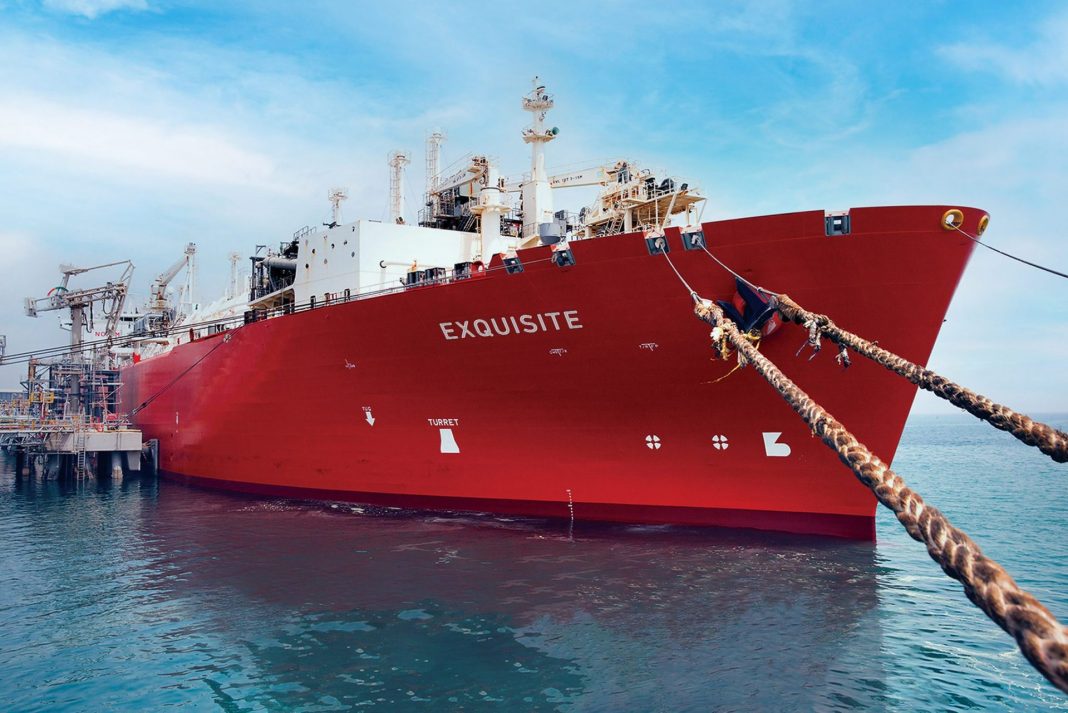
Engro Elengy Terminal, the operator of Pakistan’s first FSRU-based LNG import terminal, received 74 vessels at the facility in Port Qasim last year, according to co-owner Engro.
The 150,900-cbm FSRU Exquisite, owned by Qatari LNG shipping giant Nakilat and US floating player Excelerate Energy, serves the facility.
It started working at Engro Elengy Terminal, a joint venture of Engro and Dutch storage tank firm Vopak, back in 2015 and completed its 400th ship-to-ship operation in October 2021.
The terminal has the capacity for regasification of up to a peak of 690 mmscfd or some 4.8 mtpa.
“Engro Elengy Terminal (Pvt) Limited handled 74 vessels during 2022 versus 72 vessels in 2021, delivering 219 bcf of regasified LNG into the SSGC network with an availability factor of 97.6 percent,” Engro said in its yearly results report.
According to the company, the LNG terminal contributed 15 percent of Pakistan’s total gas supply during the year.
Besides Exquisite, Port Qasim also hosts FSRU BW integrity that serves Pakistan’s second FSRU-based terminal under a long-term charter deal with Pakistan GasPort.
The country imported about 6.9 million tons of LNG in 2022, compared to 8.2 million tons in 2021, according to Kpler data.
Pakistan gets most of its supplies under long-term contracts from Qatar and on the spot market.
However, last year prices surged and Europe took most of the available spot supplies.
In October last year, state-owned Pakistan LNG received no offers for a tender seeking bids for a total of 72 LNG shipments to fuel the country’s power plants. The firm did not launch any tenders since then, its website shows.
Pakistan LNG’s five-year deal with trader Gunvor for one cargo per month expired in July last year. The company also has a deal with Italy’s Eni until 2032.
Asian spot prices dropped considerably this year and the JKM LNG spot price for April is currently trading below $15/MMBtu.
A recent report by Reuters suggests that Pakistan plans to quadruple its domestic coal-fired capacity to reduce power generation costs and would not build new gas-fired plants in the coming years due to high LNG prices.
The agency cited Pakistan’s Energy Minister Khurram Dastgir as saying that “LNG is no longer part of the long-term plan”, and that the country plans to increase domestic coal-fired power capacity to 10 gigawatts (GW) in the medium-term, from 2.31 GW currently.