This story requires a subscription
This includes a single user license.
According to a tender document posted on the company’s website, the cargo, with a quantity of 3,200,000 MMBtu, will be delivered from April 20 to May 14.
PV Gas said the supplier “shall nominate a 2-day delivery window (final delivery window) within this range in its quotation.”
The company launched the tender on Monday, and it closes on Wednesday, April 1, at 03:30 P.M. (Vietnam time).
Last month, PV Gas released a new tender inviting firms to submit bids for one spot LNG cargo for delivery from April 2 to April 7.
Before this, PV Gas had not issued a tender for spot LNG cargoes since May 2025.
However, in August 2025, PV Gas launched a tender seeking a five-year term deal for LNG supplies.
This was the first time PV Gas sought term LNG supplies.
PV Gas awarded this tender to a subsidiary of UK-based LNG giant Shell.
Qatari LNG shipment
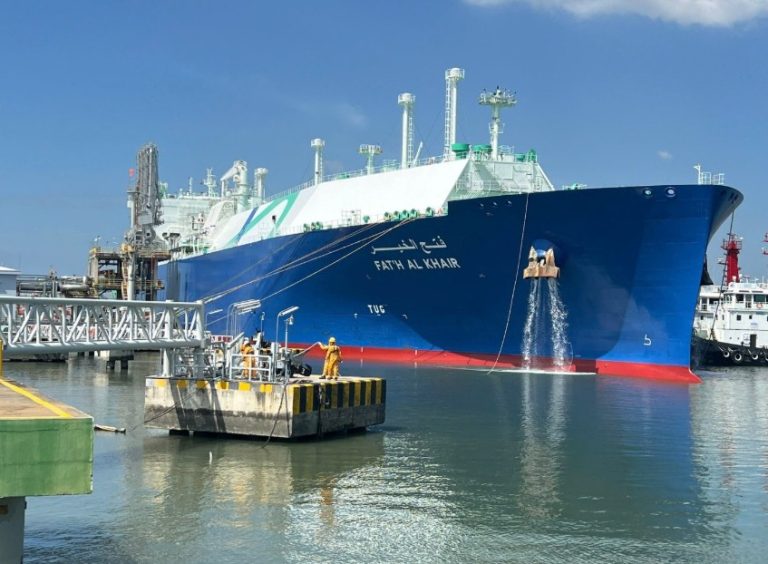
The company recently received a cargo of LNG from Qatar at its Thi Vai LNG import terminal.
The QatarEnergy-chartered 174,000-cbm LNG carrier, Fat’h Al Khair, docked at the Thi Vai LNG terminal on March 10, carrying approximately 63,000 tons of LNG, equivalent to about 87 million Sm³ of natural gas.
PV Gas said this is the company’s first LNG import shipment in 2026, further affirming its role in proactively ensuring energy supplies for the national power system, especially amid significant fluctuations in the global energy market.
This LNG shipment was loaded on February 26 at QatarEnergy’s giant Ras Laffan LNG complex in Qatar.
Notably, the ship departed the Middle East and passed through the Strait of Hormuz before military tensions in Iran erupted, ensuring that the transport journey was not interrupted amid the region becoming a geopolitical hotspot, PV Gas said.
QatarEnergy stopped producing LNG at its giant Ras Laffan complex on March 2 due to military attacks on its operating facilities. It declared force majeure to its affected LNG buyers on March 4.
The state-owned firm recently announced that it expects the damage to its Ras Laffan complex caused by missile strikes to cost about $20 billion a year in lost revenue and to take up to five years to repair, impacting supply to markets in Europe and Asia.
The firm said that it will be compelled to declare force majeure for up to five years on some long-term LNG contracts.