This story requires a subscription
This includes a single user license.
The Spanish company said on Monday it will lead the management and administration of this “strategic project for the country’s energy security and the diversification of its energy matrix.”
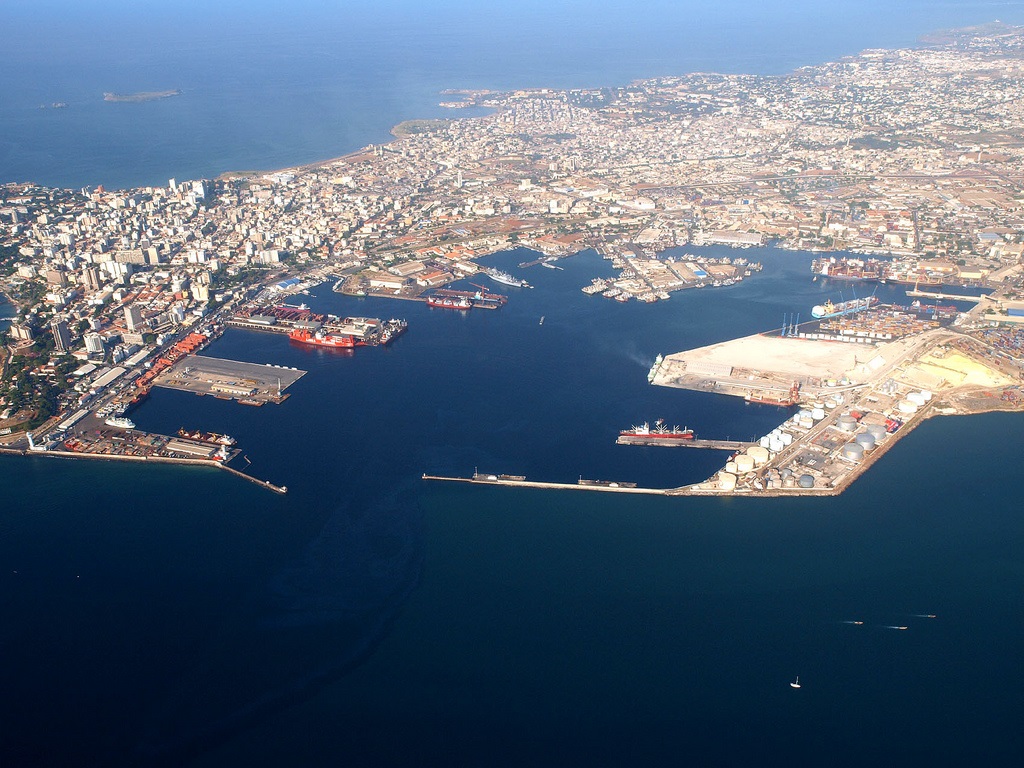
The future LNG terminal, to be developed in the port of Dakar, was initially conceived as a comprehensive infrastructure with a floating storage unit with a capacity of 137,000 cubic metres of liquefied natural gas, according to Reganosa.
Reganosa noted that the project also includes a quay with mooring systems, onshore regasification facilities, ten bays for loading trucks, and two 15-kilometer submarine gas pipelines to supply gas to several power stations.
Two phases
In order to bring forward deadlines, the project has been structured into two phases.
The first, called the early gas solution, will allow the start of gas supply to be brought forward by means of a modular regasification solution installed directly on the quay, Reganosa said.
In a second phase, the onshore infrastructure will be expanded, including new truck loading facilities and other elements that are not critical for the initial start-up, it said.
During the engineering, construction and commissioning phases, Reganosa will coordinate the interfaces between the various contractors, supervise the progress of the work and support the client in the technical management of the project, as well as in the preparation of operating procedures and the integration of the future operation and maintenance of the terminal.
Reganosa has been working with the project developer Elton Logistics and Services since December 2023 as a technical advisor during the technical definition phase of the project.
The firm has provided support in the negotiations of the engineering, procurement and construction contracts with the main international contractors.
With the signing of the contract as PMC, the company will now take on the supervision of the detailed engineering and construction of the terminal, ensuring compliance with the agreed technical requirements, quality standards, deadlines, and costs, it said.
Senegal’s LNG imports
Senegal currently imports LNG via the 125,000-cbm FSRU Karmol LNGT Powership Africa, owned by the joint venture consisting of Turkiye’s Karpowership and Japan’s MOl.
In 2021, KARMOL’s FSRU arrived in Dakar to start serving the country’s first LNG-to-power project, following the completion of conversion works in Singapore.
However, Karpowership announced in July last year that the FSRU received its first LNG cargo from the US.
The FSRU supplies regasified LNG to Karpowership’s 235 MW Karadeniz Powership Aysegul Sultan located alongside the shores of Dakar.
In 2019, Senegal’s power utility Senelec signed an LNG-to-power contract with Karpowership.
The African country has ambitions to shift primarily to natural gas for its power production in order to slash emissions and costs.