This story requires a subscription
This includes a single user license.
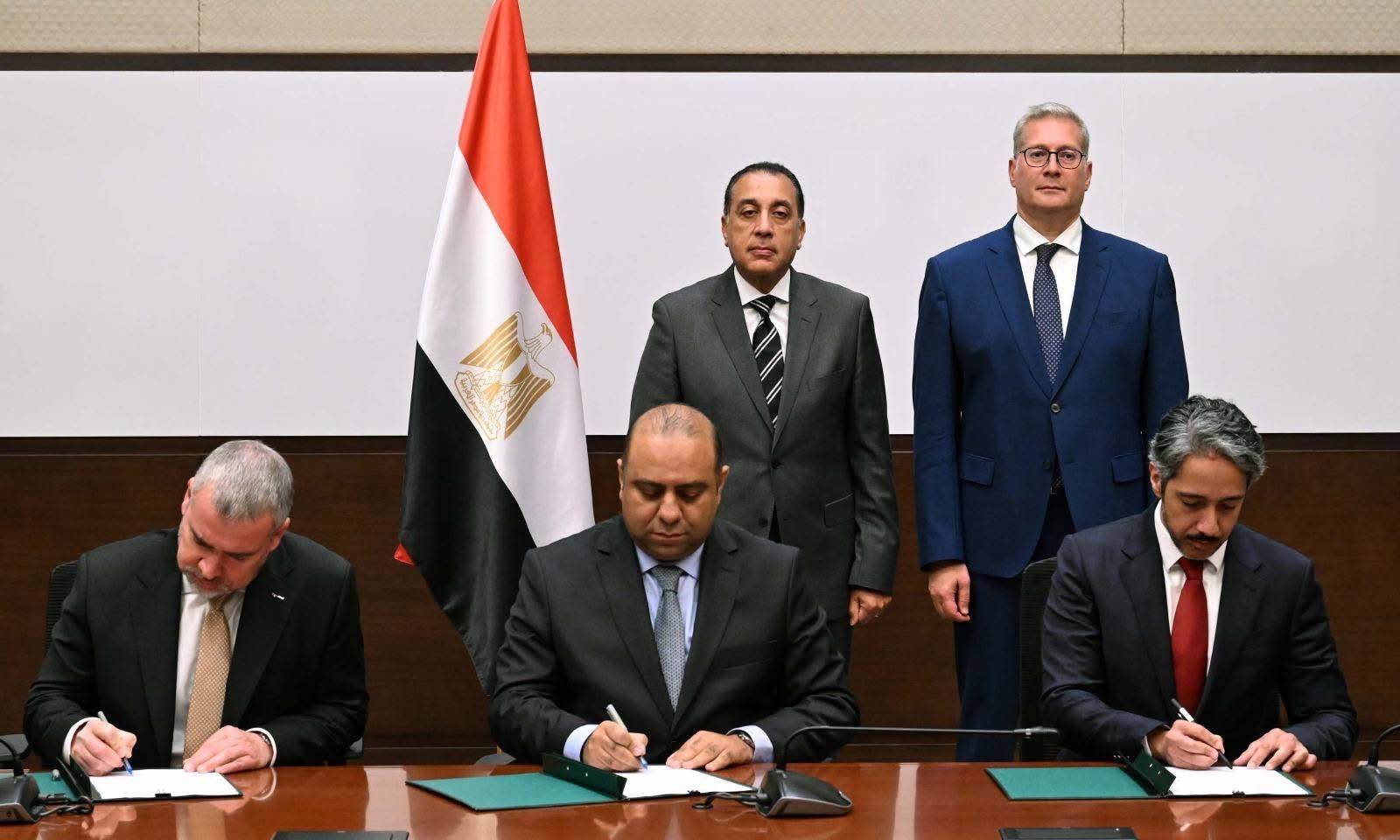
According to a statement by QatarEnergy, the memorandum enables the parties to study future growth opportunities and flexible commercial frameworks in light of Egypt’s position in the region and its gas infrastructure, which serves both domestic consumers and global markets.
QatarEnergy, whose LNG and other facilities in Ras Laffan were attacked last in March, said that the memorandum highlights Egypt’s role as a potential hub for Eastern Mediterranean gas, supporting deeper integration between Egypt and Cyprus in the field of natural gas while optimizing the utilization of existing infrastructure.
“This MoU represents an important step in advancing regional energy cooperation across the Eastern Mediterranean through unlocking the long-term commercial potential of natural gas resources across that region,” Saad Sherida Al-Kaabi, Qatar’s energy minister and CEO of QatarEnergy, said.
Last year, Italy’s Eni and its partner France’s TotalEnergies agreed with Cyprus and Egypt to send gas from the Cronos gas field off Cyprus to Egypt’s Damietta LNG plant, liquefy it, and ship the LNG supplies to Europe.
In addition to the Damietta LNG plant, Egypt hosts the Shell-led Idku facility.
However, Egypt shifted from being an LNG exporter to an importer early in 2024 due to declining domestic gas production and rising demand for cooling amid multiple heatwaves.
In October 2025, the country launched operations at another FSRU-based facility with the arrival of the first cargo at the 138,350-cbm Energos Winter in Damietta.
The Damietta FSRU is located on the Mediterranean coast, unlike the other three vessels which are located at Ain Sukhna on the Red Sea.