
This story requires a subscription
This includes a single user license.
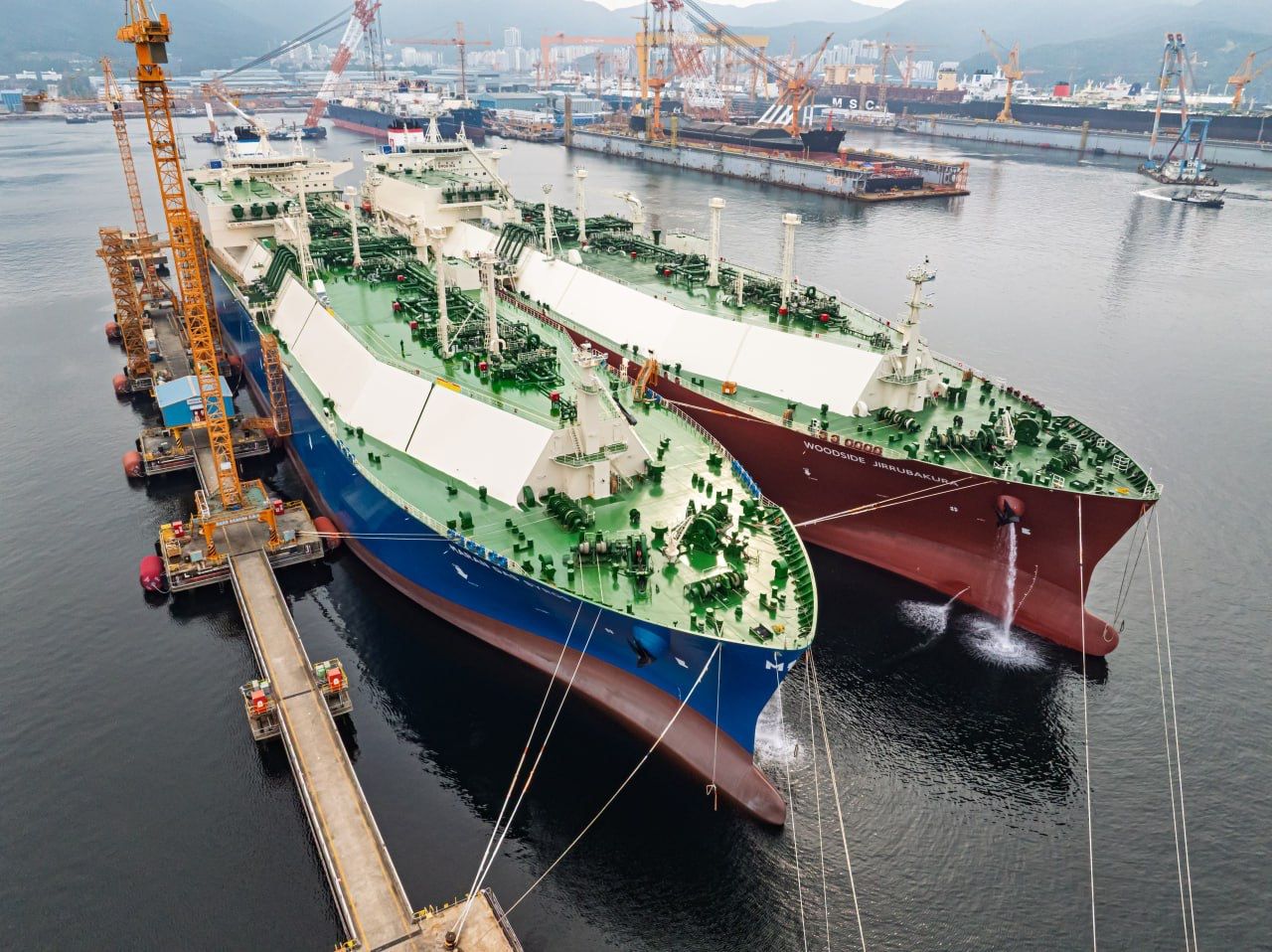
Hanwha Ocean said in a social media post on Monday that this breakthrough not only reduces environmental impact but also resolves the risk of schedule delays caused by terminal congestion.
Traditionally, LNG carriers conducting gas trials must first load LNG from a terminal and later return the remaining LNG once trials are complete.
Now, with this innovation, LNG can be directly transferred to another vessel under trial at sea — “significantly” improving efficiency and flexibility, Hanwha Ocean said.
“Following our earlier success with the world’s first ship-to-ship LNG bunkering operation within a shipyard, this achievement once again proves Hanwha Ocean’s differentiated expertise in gas trial technologies,” the shipbuilder said.
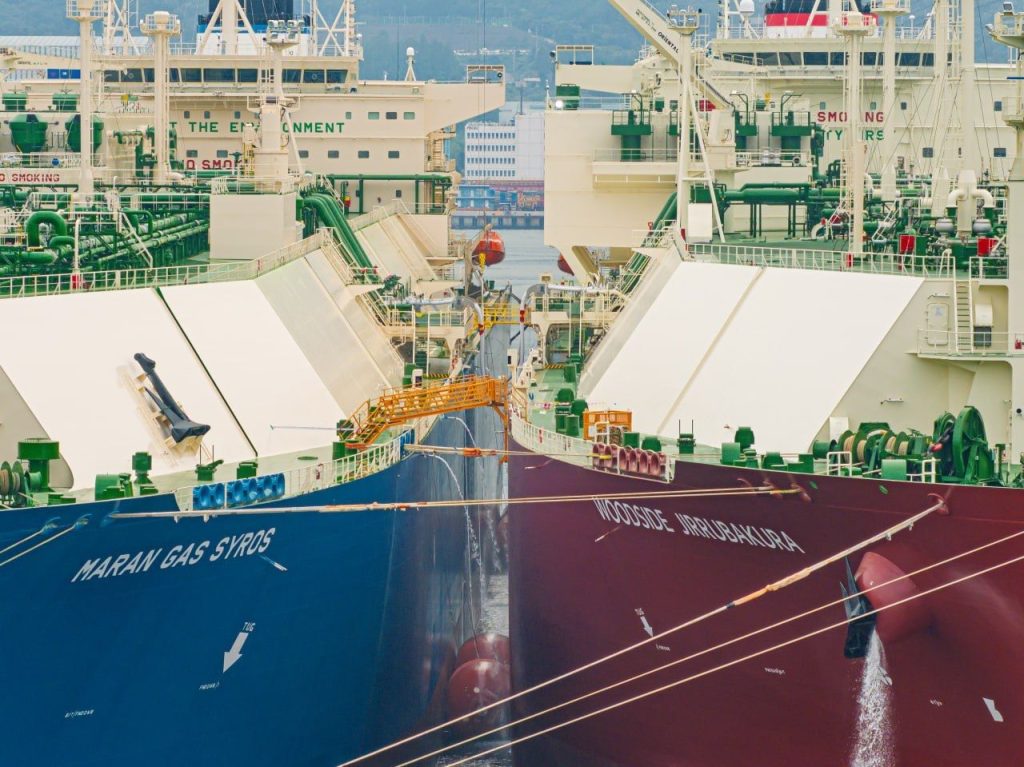
Hanwha Ocean did not provide further details regarding the STS operation.
According to the image above, published by Hanwha Ocean, the LNG carriers involved in the STS operation are Maran Gas Syros, owned by Greece’s Maran Gas, and Woodside Jirrubakura.
Last month, Hanwha Ocean hosted a naming ceremony for the 174,000-cbm LNG carriers Woodside Jirrubakura and Woodside Barrumbara.
The shipbuilder built these vessels for owner Greece’s GasLog and charterer Australia’s Woodside.
Hanwha Ocean booked two LNG carriers in the first half of this year.
The shipbuilder will build the vessels for its US shipping unit Hanwha Shipping.
In addition, Hanwha Ocean signed a contract with its US affiliate Hanwha Philly Shipyard to build one LNG carrier in July.
According to the shipbuilder, this project marks the first export-type LNG carrier order from a US shipyard since the late 1970s.
Hanwha Ocean also signed a deal with its US yard for a second LNG carrier in August, while it recently secured a contract to build one LNG carrier for about $252 million.
As of the end of June 2025, Hanwha Ocean had 65 LNG vessels worth $15.7 billion in its orderbook.