
This story requires a subscription
This includes a single user license.
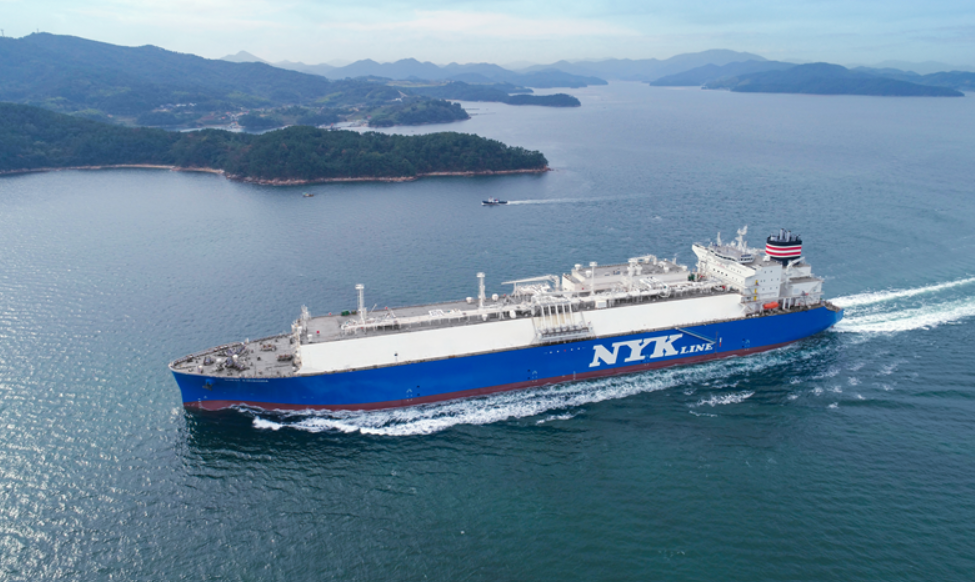
NYK said in its results report that its fleet of operational LNG carriers stood at 96 vessels as of the end of March 2026.
The shipping firm had 89 operational LNG carriers at the end of March last year and 93 vessels as of the end of September last year.
According to a presentation by NYK, its LNG carrier fleet included 83 owned or co-owned LNG carriers and 13 chartered vessels by the end of March this year.
The company also noted that it has vessels on order, along with KKR-backed Ocean Yield, which will serve US LNG exporter Cheniere.
NYK’s energy business, which includes the LNG carrier business, reported revenues of 54.4 billion yen ($345.5 million) in the fiscal year ended March 31, up 8.2 billion yen year-on-year.
According to NYK, the results for the LNG carrier business “remained steady, supported by medium- to long-term contracts.”
“The business is projected to remain firm, supported by the delivery of new vessels as
well as stable earnings from medium- to long-term contracts,” it said.
NYK said that total investment over the four-year plan period increased from the initial 1.2 trillion yen ($7.62 billion) to approximately 1.6 trillion yen ($10.16 billion) by capturing further growth opportunities.
Out of these, 760 billion yen ($4.82 billion) will be invested in the expansion of NYK’s LNG carrier fleet, in LNG upstream projects, into NYK Energy Ocean, and fleet replacement.
LNG fuel
Besides LNG carriers, NYK is expanding its fleet of “environment-friendly” vessels, including LNG-fueled vessels, LPG-fueled vessels, and methanol-fueled vessels.
NYK said that 670 billion yen ($4.25 billion) will be invested in M&A by Yusen Logistics (including the acquisition of Healthcare Logistics Business of Walden Group) and LNG-fueled fleet expansion.
According to NYK, it had 27 LNG-fueled vessels and two LNG bunkering vessels in its fleet at the end of March this year.
This includes 14 LNG-powered car carriers, 10 LNG-powered bulkers, two LNG-powered shuttle tankers, and one LNG-powered cruise ship.
Out of these vessels, 23 ships are owned or co-owned and four are chartered.