This story requires a subscription
This includes a single user license.
JGC announced in a statement that its overseas EPC operating company has been selected, together with Hyundai E&C, as the EPC contractor for the project planned by French energy giant TotalEnergies and its venture partners in Papua New Guinea.
In 2023, the two firms secured a contract to provide FEED and EPC estimation contract for the downstream LNG facilities for the Papua LNG project.
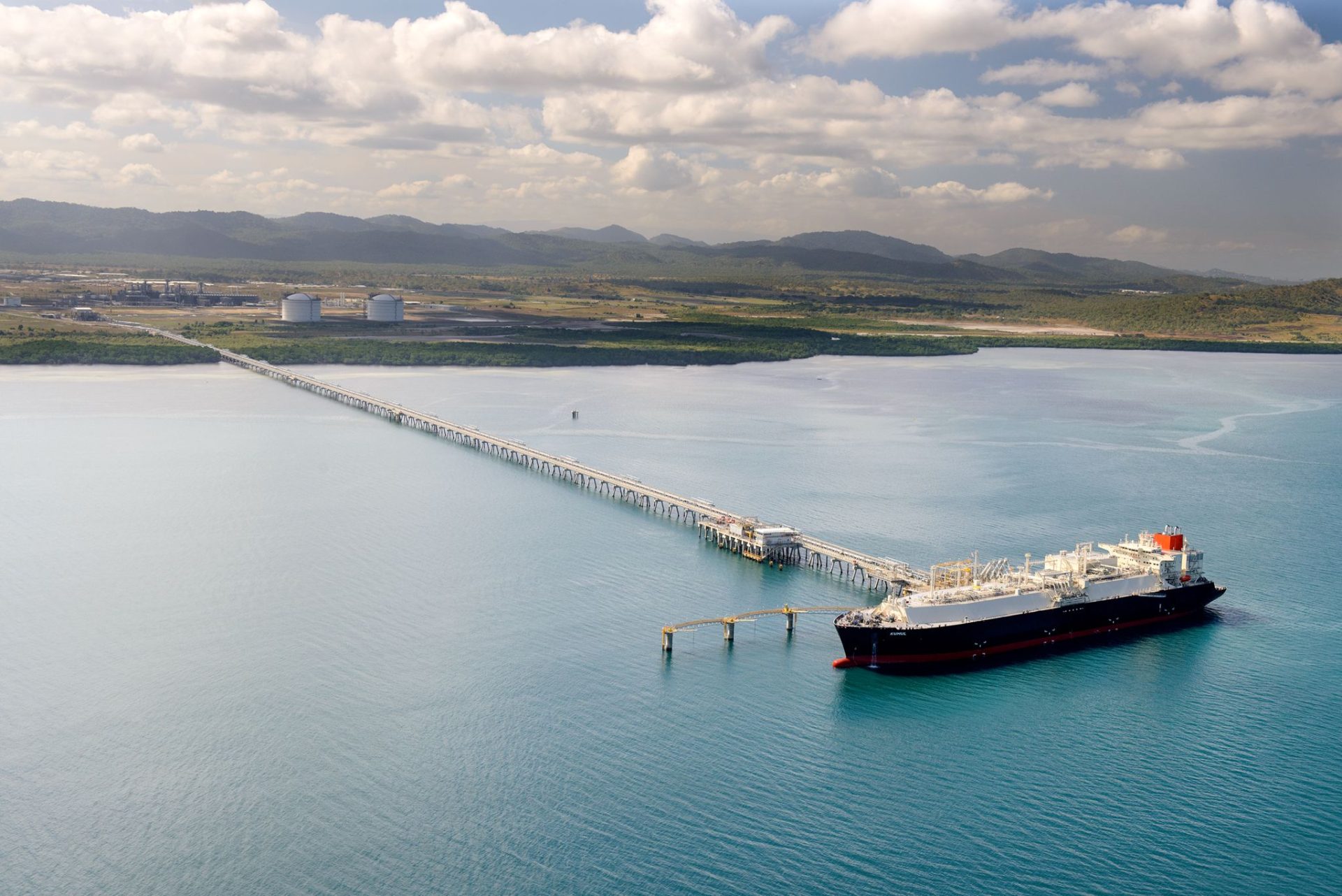
The facility will be built adjacent to the existing PNG LNG processing facilities, operated by ExxonMobil and located 20 kilometers northwest of Port Moresby.
TotalEnergies has a 37.55 percent operating stake in the Papua LNG project, ExxonMobil has 37.04 percent, Santos owns a 22.83 percent interest, and JX Nippon, now Eneos Xplora, holds 2.58 percent.
Under this project, JGC and Hyundai E&C will form a joint venture to construct the LNG production plant in Port Moresby, using natural gas feedstock from the Elk-Antelope gas fields in Papua New Guinea.
According to JGC, EPC services are for an LNG plant with an annual capacity of approximately 4 mtpa, ot three 1.33 mtpa trains.
JGC noted that the final EPC contract award and notice to proceed are expected to follow the project’s FID, “scheduled at some point in 2026.”
JGC was previously awarded EPC work in 2009 for the PNG LNG project’s liquefaction facilities.
PNG LNG, operated by ExxonMobil PNG, is Papua New Guinea’s first LNG project, having achieved first LNG production in 2014.
With the addition of the Papua LNG project, Papua New Guinea’s total LNG production capacity is expected to exceed 10 million tonnes annually, JGC said.
Furthermore, the LNG plant will adopt “E Drive” technology, in which electric motors–rather than conventional gas turbines–drive the refrigerant compressors used in natural gas liquefaction, JGC said.
The company did not provide the pricing details.
$14-$15 billion
In February, TotalEnergies CEO Patrick Pouyanne said that the partners of the Papua LNG project plan to take FID in 2026.
In April 2024, the partners delayed the project’s FID to 2025, saying that they needed to keep working with contractors to obtain “commercially viable” EPC contracts.
“So the plan is to sanction in 2026. We’ll see. There are different work streams to put together because it’s CapEx, financing, and marketing,” Pouyanne said.
“We should converge all of them by mid-year, I would say. It’s not done, but if we don’t manage to do it, now that we have, I think, optimized the CapEx, we don’t see what we could do better than what we have,” Pouyanne said.
“We are around $14-$15 billion, not at $18 billion, not at $12 billion,” he said.